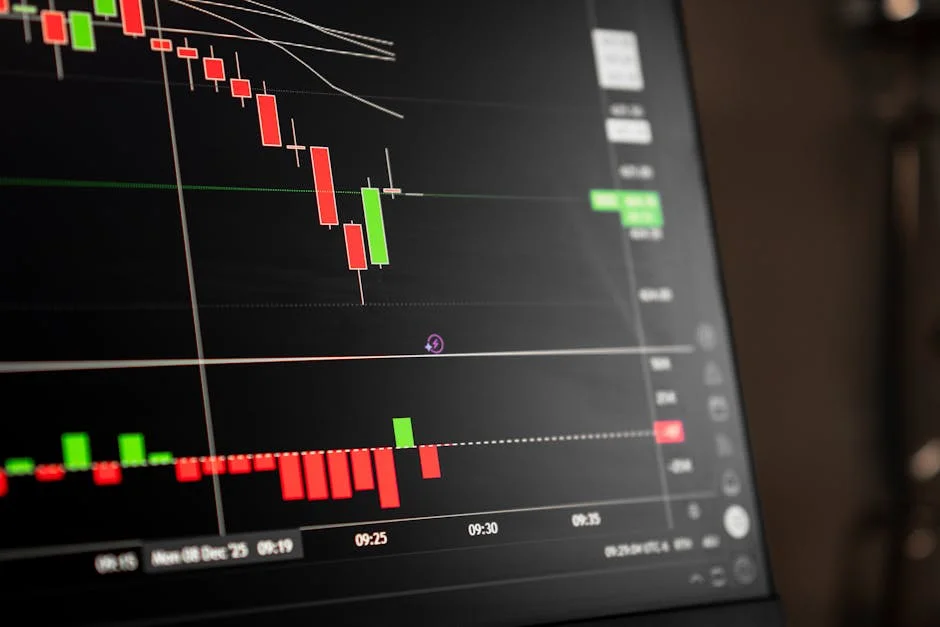
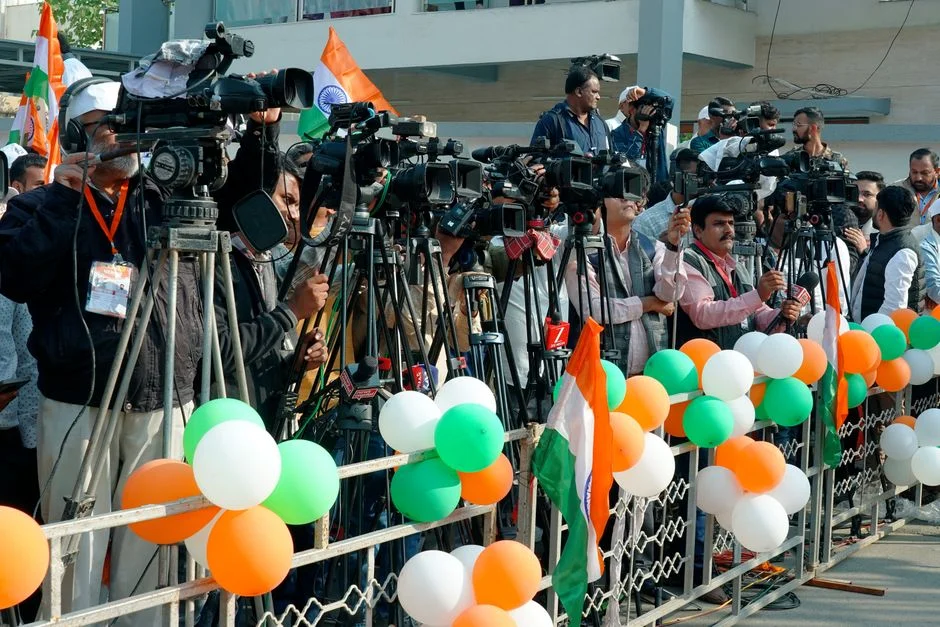
Indian Prime Minister Narendra Modi faced intense scrutiny after a contentious exchange with Norwegian journalist Helle Lyng during an international press conference. The incident has rippled through financial circles in Singapore and across Asia, prompting investors to reassess the stability of India's foreign policy framework. Markets are increasingly sensitive to diplomatic signals, and this moment has exposed potential vulnerabilities in New Delhi's global branding strategy.
Diplomatic Friction and Market Sensitivity
The question posed by Lyng touched upon sensitive geopolitical issues, drawing a sharp and somewhat defensive response from the Indian leader. Such moments are rarely just about rhetoric; they serve as proxies for how stable and predictable a nation's leadership appears to global capital. In Singapore, where foreign direct investment flows are heavily influenced by regional stability, these interactions matter more than ever. Investors watch for consistency in messaging, as inconsistency can signal policy volatility.
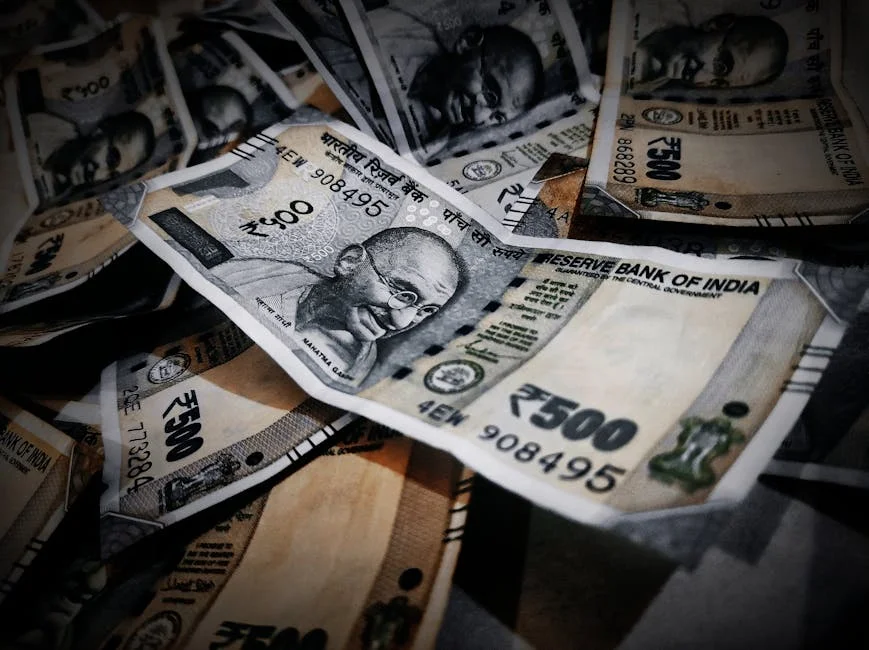
Financial analysts in Singapore have noted that while the immediate economic impact may seem minor, the cumulative effect of such diplomatic stumbles can erode confidence. The Singapore Exchange (SGX) saw subtle shifts in sentiment, with tech and infrastructure stocks linked to India experiencing minor fluctuations. This reaction underscores the interconnectedness of Asian markets, where political news in one hub can quickly translate into trading volume changes in another.
Investor Confidence and Brand India

The concept of "Brand India" has been a cornerstone of Modi's economic narrative, aiming to attract multinational corporations and institutional investors. When diplomatic engagements go awry, it risks diluting that brand equity. Multinational companies headquartered in Singapore, such as Unilever and Shell, have significant exposure to the Indian market. Any perception of political unpredictability can lead to a higher risk premium in their cost of capital.
Brand India relies heavily on the projection of a modern, forward-looking, and diplomatically adept leadership. The backlash online and in international media suggests that this projection faced a crack. For Singaporean investors holding Indian equities, this serves as a reminder that political risk is not just about elections, but also about daily diplomatic engagements. The ability of the Prime Minister to handle pressure without appearing erratic is a key metric for long-term investment horizons.
Risk Assessment for Singaporean Funds
Singaporean mutual funds and ETFs with heavy Indian allocations are currently under review by portfolio managers. The focus is on distinguishing between short-term noise and long-term structural risks. While a single question from a journalist may not alter India's GDP growth trajectory, it contributes to a narrative of volatility. Portfolio diversification strategies may need to account for this "soft power" risk factor.
Asset management firms in Singapore are likely to increase due diligence on Indian political risk. This could lead to a slight rotation of capital into more politically stable Asian markets, such as Vietnam or Indonesia, in the short term. However, India's demographic dividend and economic reforms remain strong fundamentals that may outweigh these diplomatic hiccups over a five-year horizon.
Business Implications for Trade Partners
Singapore and India share a robust trade relationship, with Singapore often serving as a gateway for Indian goods and services into Southeast Asia. Diplomatic tensions, even minor ones, can create friction in bilateral trade negotiations. Businesses involved in logistics, finance, and technology services may face increased scrutiny or slower approval processes if political goodwill wanes.
The backlash from the Lyng incident has been amplified by social media, creating a wave of nationalist sentiment in India. This domestic pressure can sometimes lead to protectionist policies or sudden regulatory changes. For Singaporean exporters, this means maintaining close monitoring of Indian regulatory bodies. Any shift towards economic nationalism could impact sectors like electronics manufacturing and pharmaceuticals, which are key pillars of bilateral trade.
Media Dynamics and Economic Perception
The role of media in shaping economic perception cannot be understated. The viral nature of the exchange between Modi and Lyng means that the narrative is now part of the global consciousness. In the age of algorithmic trading, news sentiment analysis tools can pick up on these spikes in diplomatic tension and adjust positions accordingly. This creates a feedback loop where media perception influences market prices, which in turn affects investor behavior.
Singapore's financial press has been closely tracking these developments, providing nuanced analysis for local investors. The focus is on separating the personal performance of the Prime Minister from the broader economic policies of the National Democratic Alliance (NDA) government. While the leader's image is important, the underlying economic data—such as inflation rates, foreign exchange reserves, and GDP growth—remains the primary driver of investment decisions.
Long-Term Economic Stability Concerns
From a macroeconomic perspective, India's economic fundamentals remain strong, but they are not immune to political risks. The Modi government has pursued aggressive reforms, including the Goods and Services Tax (GST) and the push for digital infrastructure. These reforms require a stable political environment to be fully realized. Diplomatic blunders can distract from these achievements and create uncertainty among foreign investors.
For Singapore, which prides itself on political stability and efficient governance, the Indian example serves as a case study in the importance of diplomatic consistency. Singaporean policymakers may also draw lessons from this incident, emphasizing the need for clear and consistent communication in international forums. This is particularly relevant as Singapore navigates its own complex geopolitical landscape in Southeast Asia.
What Investors Should Watch Next
Market participants should monitor the Indian rupee's performance against the US dollar and the Singapore dollar in the coming weeks. Currency markets are often the first to react to political uncertainty. A weakening rupee could signal growing investor caution. Additionally, tracking the inflow of foreign institutional investment (FII) into Indian equity markets will provide clarity on whether this incident has caused a sustained shift in sentiment.
Corporations with significant Indian exposure should review their risk management strategies. This includes hedging against currency fluctuations and diversifying supply chains to mitigate potential regulatory changes. The next major economic indicator to watch is India's quarterly GDP growth report, which will test whether the political noise has translated into tangible economic headwinds.
Conclusion: Navigating Political Risk in Asia
The incident involving Prime Minister Modi and journalist Helle Lyng highlights the intricate link between diplomacy and economics in modern Asia. For Singaporean investors, it reinforces the need for a holistic approach to risk assessment that includes political and diplomatic factors. While the immediate economic impact may be limited, the long-term implications for investor confidence and trade relations warrant close attention.
Looking ahead, the market will focus on whether the Indian government can stabilize the narrative and deliver consistent economic performance. Investors should remain vigilant, adjusting their portfolios based on both hard economic data and soft political signals. The coming months will be critical in determining whether this diplomatic moment was a fleeting anomaly or a sign of deeper structural challenges in India's global engagement.
See Also
- China Sends Military Scholars to Key Defence Summit in Nigeria — What’s at Stake?
- India Defends Pragmatic Policy on Myanmar — Investors Brace for Criticism Impact