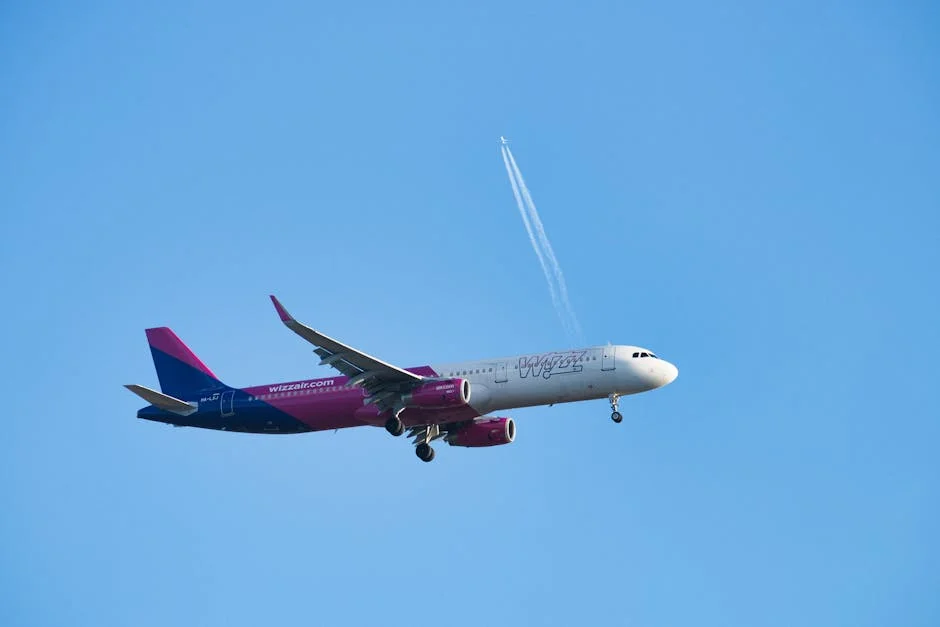
Indian airlines have issued an urgent appeal to the central government for immediate intervention in the escalating fuel crisis. The industry warns that without swift policy reform, operations could come to a halt. Fuel prices have surged by 50% over the past year, severely impacting profitability.
Rising Fuel Costs Threaten Airline Viability
The Indian aviation sector is grappling with unprecedented fuel price increases, which have seen a 50% hike over the last 12 months. This surge has been largely attributed to geopolitical tensions and supply chain disruptions affecting global fuel supplies. Airlines, already struggling with post-pandemic recovery, are now facing a dire financial outlook.

According to the Centre for Asia Pacific Aviation (CAPA), fuel accounts for approximately 40% of an airline's operating costs in India. With the price of aviation turbine fuel (ATF) reaching INR 90 per litre, airlines are finding it increasingly challenging to maintain profitability. Delhi-based airlines are among the most affected, with the metropolitan hub seeing the highest fuel prices in the country.
Impact on Markets and Investors

The repercussions of the fuel crisis are reverberating through financial markets. Investors are wary of the aviation sector's ability to sustain operations under these conditions. Shares of major airlines, including IndiGo and Air India, have seen volatility as stakeholders express concerns over potential operational shutdowns.
Market analysts at Kotak Securities have noted that the sustained high fuel costs could lead to increased airfare prices, which might dampen consumer demand. This scenario is causing anxiety among investors, who fear a prolonged downturn could lead to reduced stock valuations and diminished returns.
Potential Ripple Effects on Singapore
The current crisis in India's aviation sector could have indirect effects on Singapore's economy. Singapore is a major hub for Indian carriers, and any disruption in Indian airline operations could affect connectivity and passenger traffic between the two countries. This may impact the hospitality and travel sectors in Singapore, which rely heavily on international arrivals.
Furthermore, Singapore's investments in India's aviation infrastructure, a key element of bilateral economic ties, could suffer setbacks if the situation worsens. Investors in Singapore are closely watching developments as they assess potential risks and opportunities arising from the crisis.
Government Response and Future Outlook
Policy Measures Under Consideration
The Ministry of Civil Aviation in India, led by Jyotiraditya Scindia, is reportedly considering measures to alleviate the burden on airlines. These may include reducing taxes on ATF and providing temporary subsidies. However, no official announcement has been made yet, leaving the industry in limbo.
In the meantime, airlines are urging for a comprehensive review of the current fuel pricing mechanism, which they believe is unsustainable in the long term. Industry leaders are advocating for a more transparent and market-driven approach to fuel pricing.
Looking ahead, stakeholders are keenly awaiting the Indian government's next move. The outcome of this crisis will not only affect the aviation sector but could also set a precedent for how India manages commodity-driven economic challenges. Observers should watch for policy decisions in the coming weeks, as they will likely dictate the trajectory of the aviation industry and its ripple effects on the broader economy.