India's onion prices have plummeted to a 10-year low, triggering widespread distress among farmers who are struggling to sell their crops at a loss. The sharp decline, driven by an oversupply and weak demand, has left farmers in states like Maharashtra and Punjab in financial turmoil. The Ministry of Agriculture has warned that without immediate intervention, the crisis could worsen, affecting both domestic markets and export-dependent regions.
Market Reactions and Supply Chain Disruptions
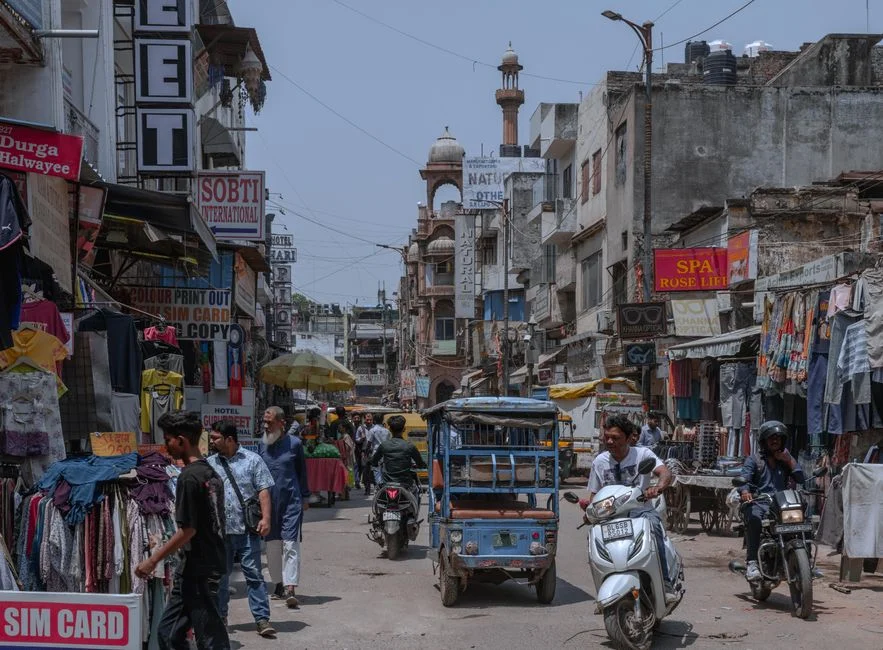
The price of onions in India has dropped to ₹12 per kilogram in major markets, down from ₹45 in the same period last year. This sharp decline has disrupted the supply chain, with traders and middlemen struggling to find buyers. The fall has also affected the cost of living for consumers, as onions are a staple ingredient in Indian cuisine.
Market analysts say the drop is due to a combination of factors, including a bumper harvest and a lack of storage facilities. "The surplus has flooded the market, and without proper infrastructure, farmers are forced to sell at rock-bottom prices," said Rajesh Sharma, a senior economist at the National Institute of Agricultural Economics.
Impact on Farmers and Rural Economies


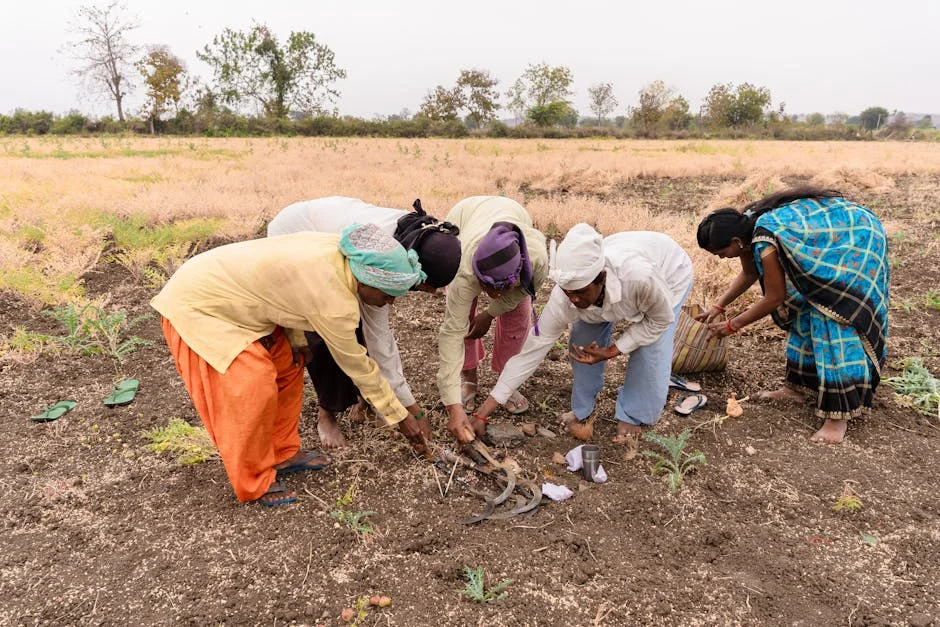
Small-scale farmers in Maharashtra, one of the largest onion-producing states, have been hit the hardest. Many have taken loans to plant their crops, only to find themselves unable to repay due to the price crash. "We planted 10 acres of onions, but we can't even cover our costs," said Ramesh Patil, a farmer from Jalna district. "We're losing everything."
The crisis has also affected the rural economy, with local businesses that rely on onion trade, such as transporters and retailers, facing losses. In Pune, traders report that business has dropped by 60% compared to last year. "We're not making any profit, and we can't afford to keep buying onions," said Anil Deshmukh, a wholesale trader.
Government Response and Policy Measures
The Indian government has announced plans to stabilize prices by increasing exports and setting up temporary storage facilities. The Ministry of Agriculture has also urged state governments to implement price support schemes. "We are working with state authorities to ensure that farmers get a fair price for their produce," said P.K. Sinha, a senior official at the ministry.
However, critics argue that the measures are too slow and do not address the root causes of the problem. "The government is reacting, but not proactively," said Dr. Meera Kapoor, an agricultural policy expert. "We need long-term solutions, not short-term fixes."
Export Strategy and International Market Implications
One of the key strategies being considered is boosting exports to countries like Bangladesh, Sri Lanka, and the UAE, where onion prices remain high. India is the world's largest onion producer, and experts believe that increased exports could help absorb the surplus. "Exporting to these markets could provide much-needed relief to farmers," said Sanjay Verma, a trade analyst.
The move could also have implications for Singapore, where Indian onions are a major import. Singapore's Food Agency has warned that the price drop could lead to lower import costs, potentially benefiting local consumers. However, the agency has also cautioned that the situation remains volatile and could affect supply stability.
Investor and Business Implications
The onion crisis has raised concerns among investors in the agricultural sector, with many fearing that the downturn could signal a broader problem in India's food supply chain. "This is a warning sign for the entire agricultural ecosystem," said Priya Mehta, a venture capitalist focused on agri-tech startups. "If farmers continue to lose money, it could discourage investment in the sector."
Businesses that rely on onions, such as food processors and restaurants, are also watching the situation closely. In Mumbai, several restaurants have reported a decline in onion usage due to cost concerns. "We're trying to find alternatives, but onions are irreplaceable in many dishes," said Arjun Deshmukh, a restaurant owner.
What to Watch Next
The coming weeks will be critical for India's onion market. The government has set a deadline for state authorities to implement price support schemes by mid-September, and farmers are hoping for relief. Meanwhile, traders and analysts will be closely monitoring export volumes and global price trends.
For Singapore and other import-dependent countries, the situation could have ripple effects on food prices and supply chains. Investors and policymakers will need to remain vigilant as the crisis unfolds.
See Also
- MARO's Concert Tour Sparks Economic Ripple Across Europa and Norte
- Aguiar-Branco Urges Action in Leiria After Storms
What is the latest news about indias onion prices plunge farmers face crisis?
Why does this matter for economy-business?
What are the key facts about indias onion prices plunge farmers face crisis?