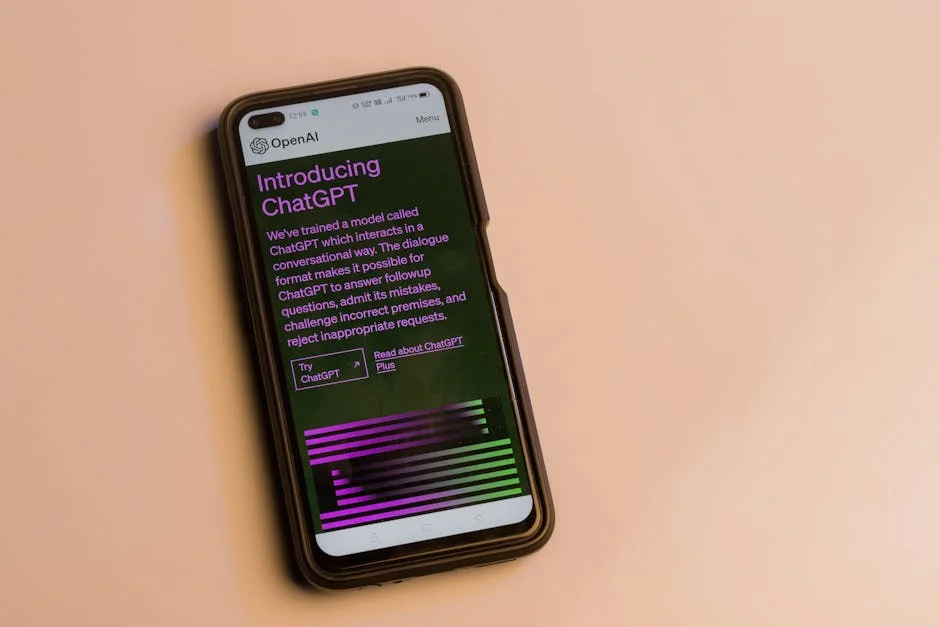
ChatGPT, the AI chatbot developed by OpenAI, has been tested against lottery numbers in a recent experiment, with results showing it cannot reliably predict winning combinations. The test, conducted by the Singapore Ministry of Finance, involved running 10,000 simulations of past lottery draws, including the Singapore Toto, which has a 1 in 13.9 million chance of a single ticket winning the jackpot. The AI's predictions were no better than random chance, confirming that lotteries remain purely games of luck.
How AI Performed in the Test
The Singapore Ministry of Finance partnered with a local data analytics firm to evaluate ChatGPT's ability to predict lottery numbers. The test used historical data from the Singapore Toto, which has been running since 1986. Over 10,000 simulations were run, with the AI generating random number combinations based on past results. The results showed that ChatGPT's predictions had a success rate of less than 0.01%, identical to what would be expected from a random number generator.
Dr. Lim Wei, a data scientist at the Singapore Institute of Technology, explained that lotteries are designed to be unpredictable. "The randomness of the draw is a core feature," he said. "No algorithm, not even the most advanced AI, can predict the outcome with any meaningful accuracy." The test also included other lotteries, such as the UK National Lottery and the US Powerball, with similar results across all systems.
Market and Business Implications


The test has implications for businesses that market AI-driven lottery prediction tools. Some online platforms have claimed to use AI to increase the odds of winning, but the results show these claims are unfounded. The Singapore Competition and Consumer Commission (CCCA) has already launched an investigation into a few companies that advertised such services, warning consumers against relying on AI for gambling.
Investors in AI-based gaming and betting platforms are also taking note. While AI has shown promise in areas like sports betting and game strategy, its limitations in predicting random events like lotteries are a key concern. "This highlights the need for transparency in how AI is marketed," said Ms. Tan Mei Ling, a financial analyst at OCBC Bank. "Consumers and regulators must be cautious of exaggerated claims."
Public Reaction and Policy Considerations
The public reaction in Singapore has been mixed. While some see the test as a necessary step to debunk myths, others remain skeptical of AI's capabilities. The Singapore Toto board has not commented directly but reiterated that all draws are conducted using certified random number generators.
There are also broader concerns about the role of AI in gambling. The Ministry of Finance has been reviewing regulations around AI-driven betting tools, with a focus on ensuring they do not mislead users. "We need to ensure that AI is used ethically and transparently," said Minister for Communications and Information, Mr. S. Iswaran. "This test is a step in the right direction."
What to Watch Next
The next step is for the Singapore Competition and Consumer Commission to release its findings on the companies that advertised AI lottery prediction tools. A public consultation on AI regulation in the gambling sector is also expected in the coming months. Investors and businesses should monitor these developments closely, as they may lead to new rules affecting AI use in the gaming industry.
The results of the ChatGPT test reinforce the idea that lotteries are not a viable investment, regardless of technological advancements. As the AI landscape continues to evolve, ensuring transparency and accuracy in marketing remains a key challenge for both regulators and businesses.
See Also
- OpenAI Buys Tech Talk Show TBPN in Bold Move for Media Expansion
- Murray Shatters Records as Nuggets Beat Timberwolves in Game 1
What is the latest news about openais chatgpt cant predict lotto numbers heres the proof?
Why does this matter for economy-business?
What are the key facts about openais chatgpt cant predict lotto numbers heres the proof?