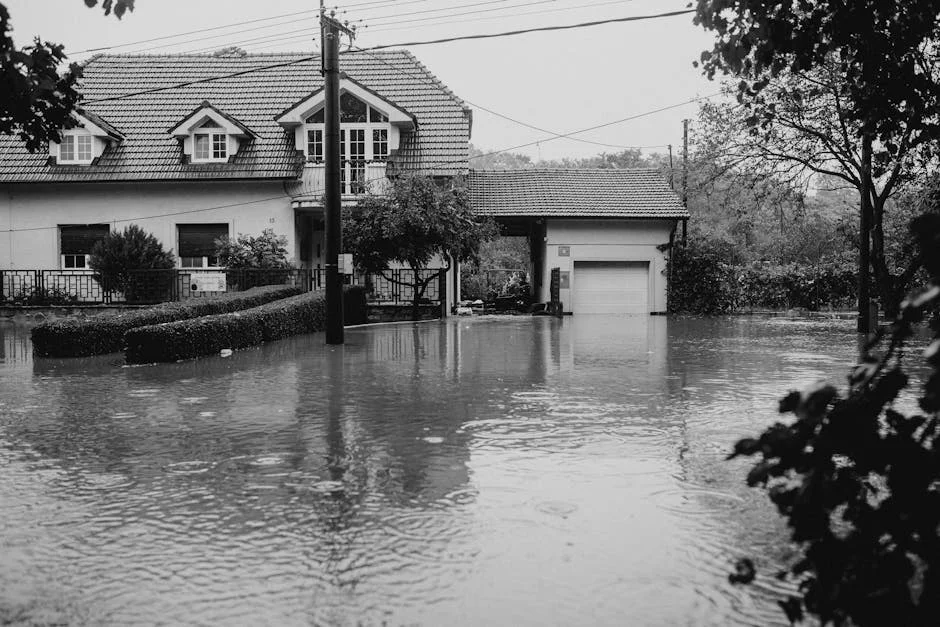
South Texas has issued a flash flood warning for Monday, with heavy rainfall expected to impact the region. The National Weather Service (NWS) has warned that localized flooding could disrupt transportation and infrastructure, with some areas receiving up to 4 inches of rain in a short time. The warning comes as the region continues to recover from recent weather events, raising concerns about the potential impact on energy and agricultural sectors.
Impact on Energy and Agriculture Sectors
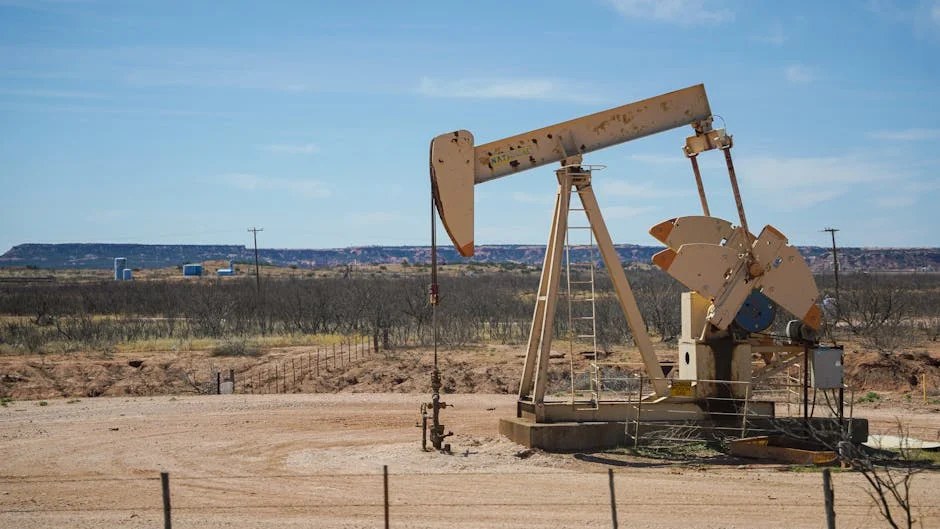
The potential for flooding in South Texas could disrupt energy operations, particularly in the Gulf Coast region, where oil and gas facilities are concentrated. According to the U.S. Energy Information Administration (EIA), the area accounts for nearly 10% of the country’s crude oil refining capacity. Any delays or shutdowns in this region could affect supply chains and drive up energy prices.
Additionally, the agricultural sector in South Texas is vulnerable. The region is a major producer of crops such as cotton and citrus. The Texas Department of Agriculture has warned that heavy rain could damage crops and delay harvests, potentially affecting national and international markets. Farmers in the region are already preparing for the possibility of lost yields and increased costs.
Market Reactions and Investor Concerns


Investors have begun to take notice of the flash flood warning, with energy stocks showing some volatility. On Monday morning, the S&P 500 Energy Sector Index fell by 0.8% as traders anticipated potential disruptions. Analysts at Goldman Sachs noted that while the immediate impact may be limited, the long-term effects could depend on the duration and intensity of the rainfall.
“The energy sector in the U.S. is highly sensitive to weather events, especially in regions like South Texas,” said Sarah Lin, a commodities analyst at JPMorgan. “If the flooding persists, we could see increased costs for producers and higher prices for consumers.”
Broader Economic Implications
The potential for flooding in South Texas could have ripple effects on the broader U.S. economy. The region is a key hub for shipping and logistics, with the Port of Houston being one of the busiest in the country. Any disruptions to the port could slow down the movement of goods, affecting supply chains across the nation.
The Federal Reserve has also taken note of the situation. While the central bank has focused on inflation and interest rates, officials have acknowledged that extreme weather events can have indirect economic impacts. “Weather-related disruptions can add to inflationary pressures, particularly in sectors like energy and agriculture,” said a Fed spokesperson.
What to Watch Next
Investors and businesses should monitor the situation closely in the coming days. The NWS will provide updates on the rainfall and potential flooding, with the peak expected between Monday afternoon and Tuesday morning. If the warnings escalate, additional measures such as evacuation orders or facility shutdowns could be issued.
The Texas Governor’s Office has also warned that emergency resources may be deployed if conditions worsen. Businesses in the region are advised to prepare for potential disruptions, including supply chain delays and increased operational costs.
The next few days will be critical in determining the full economic impact of the flash flood warning. Investors should keep an eye on energy and agricultural commodity prices, as well as any updates from the NWS and local authorities.