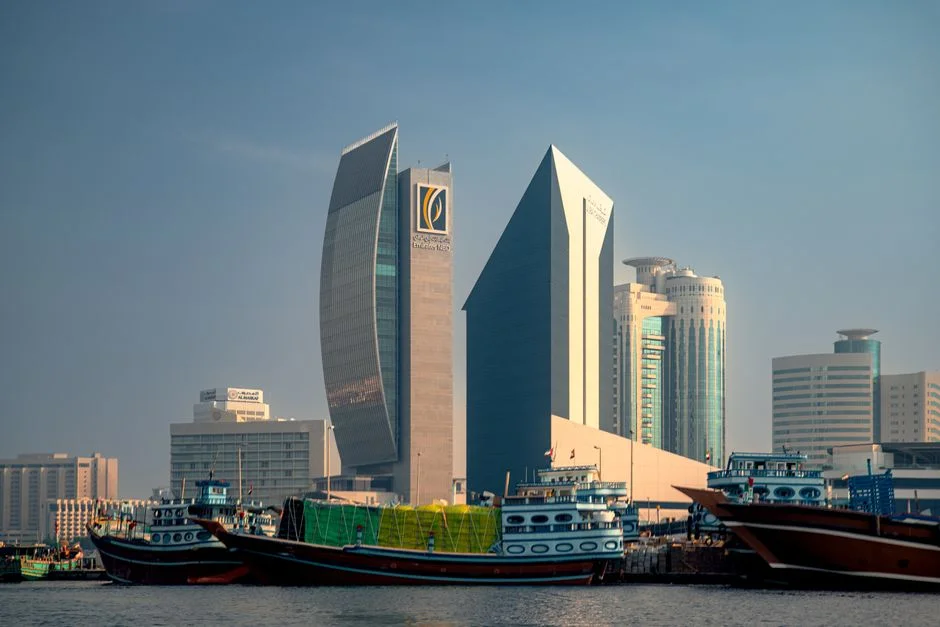
South Korea has unveiled a sweeping plan to accelerate its transition to renewable energy, leveraging the ongoing instability in the Middle East to reduce its reliance on fossil fuel imports. The move, announced by the Ministry of Trade, Industry and Energy, aims to boost solar and wind capacity by 40% by 2030, with a focus on securing energy independence amid rising geopolitical risks.
Strategic Shift Amid Regional Uncertainty
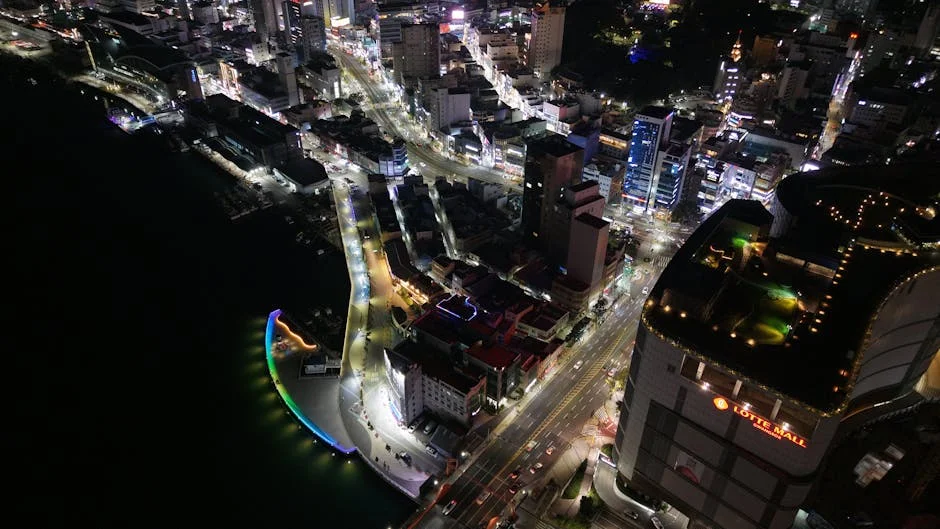
The decision comes as tensions in the Middle East intensify, with the Iran crisis disrupting global oil markets and raising concerns over energy security. South Korea, which imports nearly 90% of its energy, sees the crisis as a catalyst to accelerate its green transition. The government has pledged to invest $25 billion in renewable infrastructure over the next five years, with a particular emphasis on expanding solar power capacity in the Gyeonggi and Jeolla provinces.
“This is not just about climate change—it’s about economic resilience,” said Minister of Trade, Industry and Energy, Yoon Chang-jung. “The Middle East’s volatility has shown us the risks of overdependence on a single region for our energy needs.”
Market Reactions and Investor Response
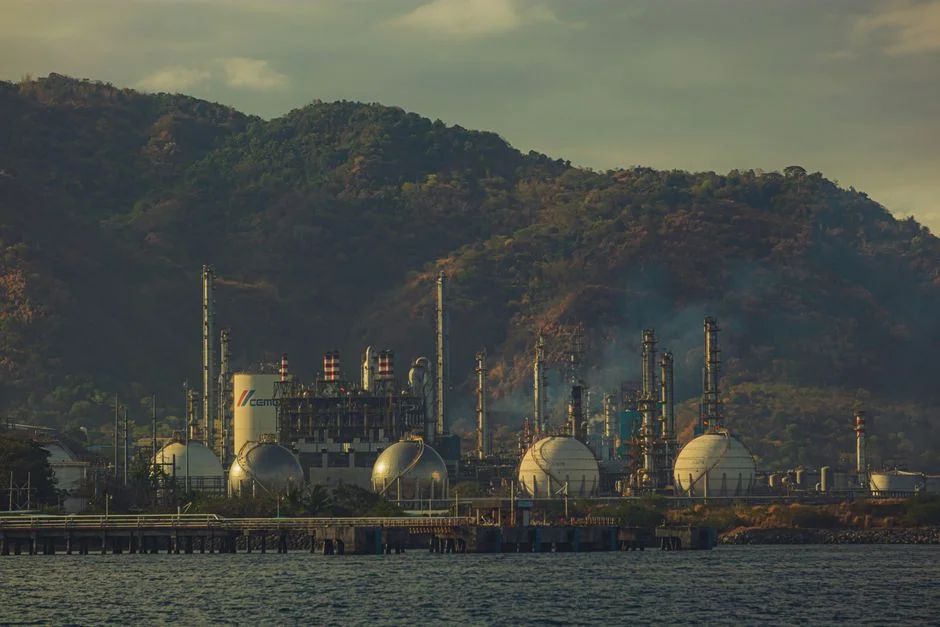
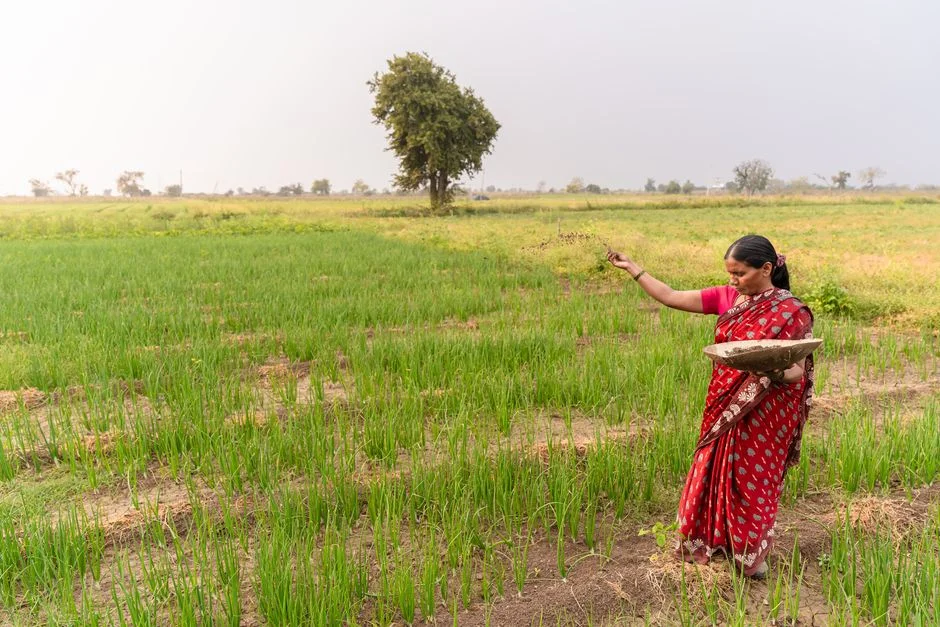
The announcement has sent ripples through global energy markets, with investors reassessing the long-term viability of fossil fuel investments. Shares of South Korean energy firms have seen mixed reactions, with traditional oil and gas companies like Korea Gas Corporation (KOGAS) facing pressure, while renewable energy firms such as Hanwha Q CELLS have seen a surge in demand.
Analysts at Nomura Research note that the policy shift could reduce South Korea’s energy import bill by up to $15 billion annually by 2030. “This is a major shift in energy strategy,” said analyst Kim Min-jun. “The government is betting big on renewables to insulate the economy from regional shocks.”
Business Implications and Supply Chain Adjustments
For businesses, the move signals a need to adapt to a rapidly evolving energy landscape. South Korean manufacturers, which rely heavily on stable and affordable energy, are now re-evaluating their supply chain strategies. Companies like Samsung and LG are investing in on-site solar and battery storage solutions to mitigate potential disruptions.
“We are seeing a clear shift in corporate strategy,” said Lee Young-joon, a senior economist at the Korea Institute for International Economic Policy. “Businesses are not just reacting to policy changes—they’re positioning themselves to benefit from the renewable energy boom.”
Investment Opportunities and Challenges
The government’s plan has opened new avenues for both domestic and foreign investors. The Renewable Energy Development Fund, established in 2022, has already attracted over $5 billion in private capital, with major players such as BlackRock and Samsung Venture Capital showing strong interest. However, challenges remain, including the need for grid modernization and the integration of intermittent energy sources.
“The transition is not without hurdles,” said Park Soo-jin, an energy policy advisor. “But the long-term economic and environmental benefits make it a worthwhile investment.”
Renewables vs. Fossil Fuels
The shift has created a clear divide between traditional energy sectors and renewables. While oil and gas firms face increasing regulatory and market pressures, renewable energy companies are experiencing a surge in demand. The government’s 2030 target for 40% of energy from renewables is expected to drive a 25% increase in solar panel manufacturing in the next three years.
At the same time, the country’s coal-dependent regions are feeling the economic strain. Provinces like Ulsan and Busan, which have historically relied on heavy industry, are now seeking government support to transition to green jobs and sustainable industries.
What to Watch Next
The next key step for South Korea is the release of its 2024 energy mix report, which will outline the progress of the renewable energy initiative. Investors and policymakers will be closely watching for updates on grid expansion projects and new incentives for clean energy adoption. The coming months could determine whether South Korea’s green transition becomes a model for other energy-dependent economies in Asia.
See Also
- Pacific Northwest Faces Severe Thunderstorms — Local Businesses Brace for Impact
- French Mega LNG Ship Arrives in Singapore, Outpacing Eiffel Tower in Length