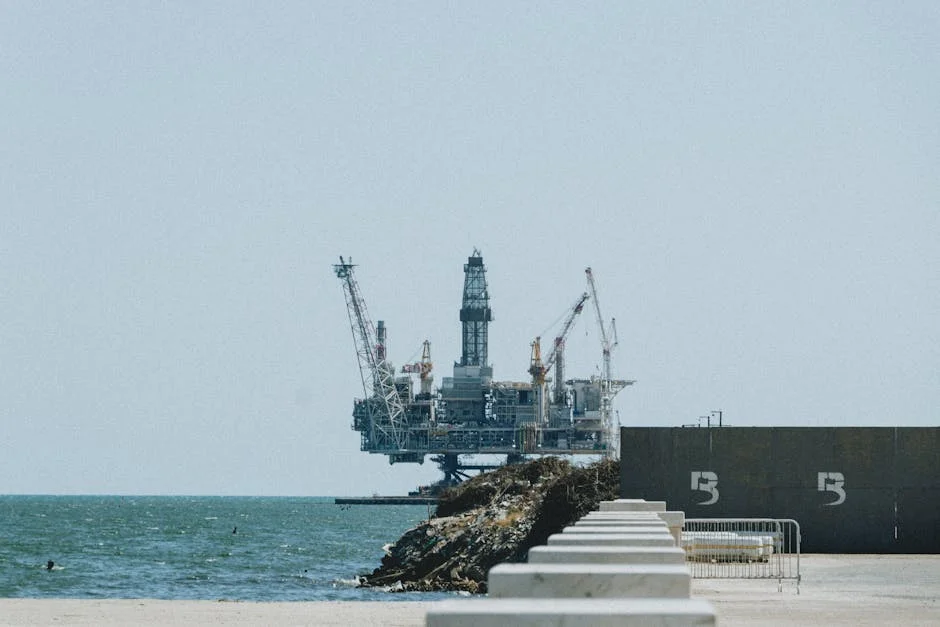
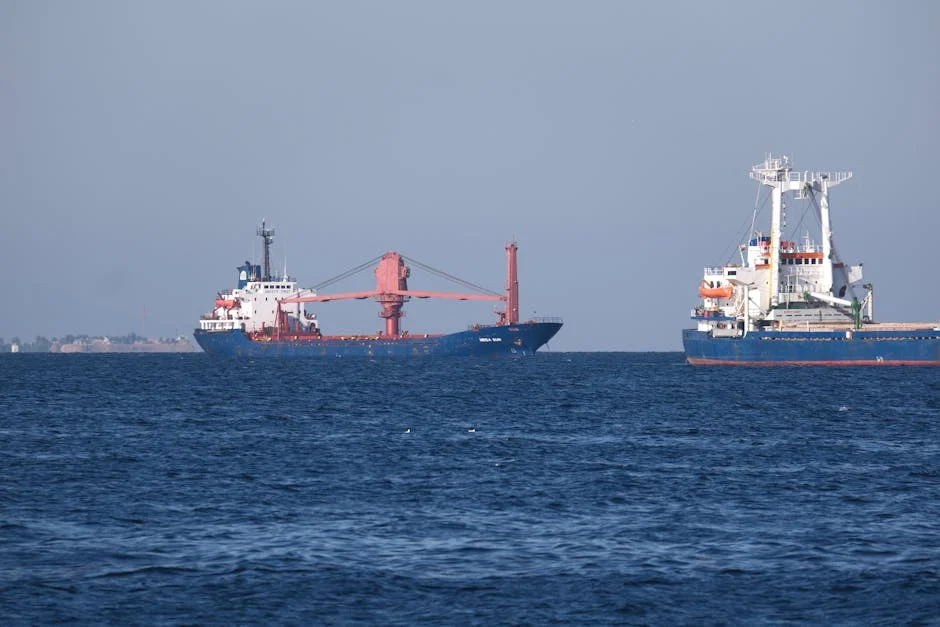
Oil markets experienced a sharp downturn as Iran announced that the Strait of Hormuz would remain open during a ceasefire. This development resulted in oil prices plummeting by 5% on Tuesday, easing concerns over potential supply disruptions. The Strait of Hormuz is a critical chokepoint, accounting for about 20% of global oil trade.
Impact on Oil Markets
Brent crude, the international benchmark for oil prices, saw a significant decline, trading at $85.50 per barrel, down from $90 earlier in the week. The announcement by Iran has alleviated fears of supply chain interruptions, which had previously driven up prices.
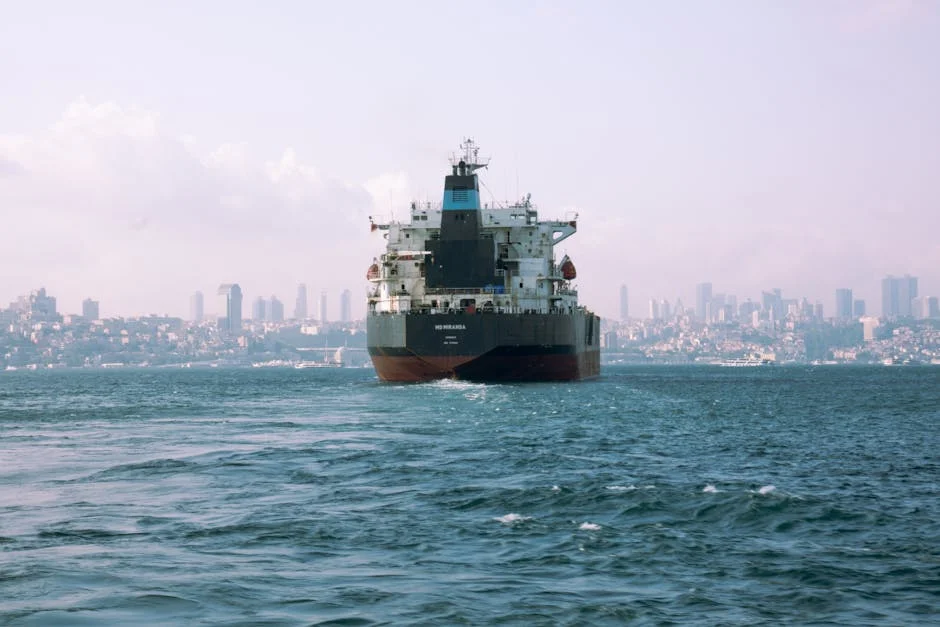
The Strait of Hormuz, located between the Persian Gulf and the Gulf of Oman, is strategically vital for energy markets. Recent tensions had heightened concerns, leading to volatility in oil prices. Iran's reassurance of safe passage during the ceasefire has markedly changed the sentiment in the oil market.
Business and Economic Implications


Effects on Global Businesses
Businesses dependent on oil imports are expected to benefit from reduced costs. Lower oil prices can result in decreased operational expenses across various sectors, including transportation and manufacturing. This reduction in input costs may translate to lower prices for consumers and potentially stimulate economic activity.
Investment Perspective
For investors, the decline in oil prices presents both challenges and opportunities. Energy stocks may face pressure due to reduced revenue projections. However, sectors like airlines and logistics might see gains due to lower fuel expenses.
Investment strategies may need reassessment, particularly for portfolios heavily weighted with energy stocks. Diversification into sectors that benefit from lower oil prices could be a prudent approach.
Singapore's Position in the Global Market
Singapore, as a key oil refining hub, closely monitors developments in the Strait of Hormuz. The country's economy, intertwined with global trade dynamics, could see direct benefits from stabilised oil prices. Lower energy costs may boost Singapore’s export competitiveness, potentially invigorating its manufacturing sector.
Meanwhile, the Maritime and Port Authority of Singapore (MPA) could experience changes in shipping volumes, influencing the overall economy. The agency remains vigilant, ready to adapt to shifting global trade patterns.
What to Watch Next
Investors and market analysts will be keenly observing the duration of the ceasefire and any future statements from Iranian authorities. The geopolitical climate in the Middle East remains fragile and can swiftly influence oil prices. Market participants should also pay attention to OPEC's upcoming meeting, which could provide additional insight into future oil production strategies.
Additionally, any changes in shipping procedures through the Strait of Hormuz could have immediate repercussions, impacting both oil supply and broader economic conditions. Stakeholders should remain alert to these developments as they unfold.