Mantoa Mphambo, a 70-year-old woman from Limpopo, South Africa, has become a symbol of resilience after graduating with a Bachelor’s degree in Education from the University of South Africa. Her journey, marked by illness, age, and societal doubt, has sparked a national conversation about education, perseverance, and the value of lifelong learning.
Breaking Barriers at 70
Mantoa’s graduation at the University of South Africa is a rare achievement. She began her studies in 2018, balancing coursework with caring for her grandchildren and managing health challenges. Despite the odds, she completed her degree in three years, a feat that has drawn admiration across the country.
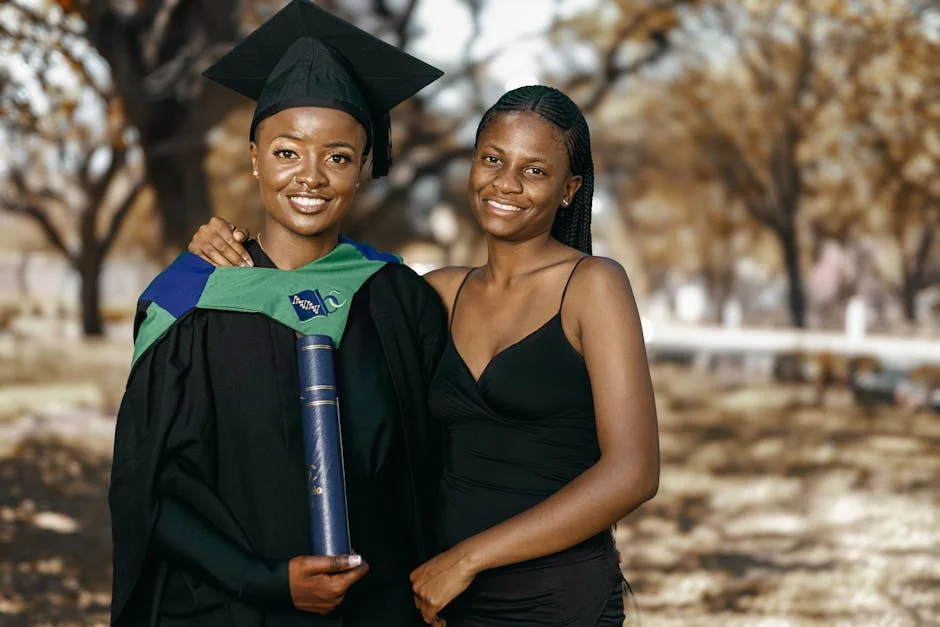
The University of South Africa, known for its distance learning model, has seen a rise in older students in recent years. Mantoa’s success highlights how flexible education systems can support non-traditional learners. “I never thought I’d finish, but I believed in myself,” she said in an interview with News24.
Economic and Social Implications


Mantoa’s story is not just a personal triumph but also a reflection of broader economic and social trends in South Africa. The country faces a growing skills gap, with many older workers struggling to re-enter the workforce. Her achievement demonstrates how education can empower individuals at any age, potentially reducing reliance on social grants and increasing economic participation.
According to the South African Department of Higher Education and Training, the number of students over 50 has increased by 12% in the past five years. Mantoa’s case could inspire more adults to pursue education, contributing to a more skilled and adaptable workforce.
Investor and Business Perspectives
For investors and businesses, Mantoa’s story underscores the importance of human capital development. Companies are increasingly looking for ways to upskill older workers, recognizing that experience and adaptability can be valuable assets. Her journey may encourage firms to invest in training programs that cater to mature employees.
“Lifelong learning is no longer a luxury but a necessity,” said Dr. Thandiwe Molefe, an economist at the University of Johannesburg. “Mantoa’s success shows that with the right support, older workers can remain productive and contribute meaningfully to the economy.”
Impact on Education Policy
Mantoa’s graduation has also drawn attention to the role of education in social mobility. In a country with high unemployment and inequality, her story offers a powerful message about the potential of education to transform lives. The University of South Africa has announced plans to expand its outreach to older students, aiming to increase enrollment by 15% in the next three years.
Education Minister Angie Motshekga praised Mantoa’s achievement, calling it a “testament to the power of determination.” She emphasized that the government is working on policies to make education more accessible to all age groups, including financial aid and flexible scheduling.
Challenges and Opportunities
Despite the positive momentum, challenges remain. Many older learners face financial constraints and limited access to digital tools, which are essential for distance learning. The government and private sector must collaborate to address these barriers and ensure that education remains inclusive.
Businesses can also play a role by offering mentorship programs and flexible work arrangements that support older employees. This could not only benefit individuals but also enhance workplace diversity and innovation.
Looking Ahead
As Mantoa’s story gains national attention, it is likely to influence both public policy and corporate strategies. The government is expected to announce new initiatives to support adult learners in the coming months, while companies may explore partnerships with educational institutions to offer tailored training programs.
For investors, this trend highlights the potential for growth in the education sector, particularly in programs that cater to non-traditional students. With more people seeking to upskill later in life, the demand for flexible and affordable education options is set to rise.
See Also
- Tobias Harris Returns for Game 6 — A Win for Detroit's Market
- Abqar's Red Card Controversy Reveals VAR Debate - What It Means for Sports Tech Investors
For investors, this trend highlights the potential for growth in the education sector, particularly in programs that cater to non-traditional students. “Mantoa’s success shows that with the right support, older workers can remain productive and contribute meaningfully to the economy.” Impact on Education Policy Mantoa’s graduation has also drawn attention to the role of education in social mobility.