Malaysia and Singapore have enforced distinct cultural restrictions on foreign artists, removing Ed Sheeran from airwaves and barring Massive Attack from future tours. These decisions follow public displays of Palestinian solidarity by the musicians, highlighting how Southeast Asian nations are actively policing cultural diplomacy. The moves signal a shift from passive tolerance to active regulatory enforcement of political symbolism in entertainment.
Regulatory Enforcement in Cultural Sectors
Malaysian authorities removed Ed Sheeran’s music from local radio stations after the British pop star lost his slot on his own US tour for speaking up for Palestinians. This action demonstrates a direct link between an artist’s public political statements and their commercial availability in the Malaysian market. The removal was not a temporary pause but a sustained exclusion from airwaves, indicating a deliberate policy choice by local broadcasters or regulators.
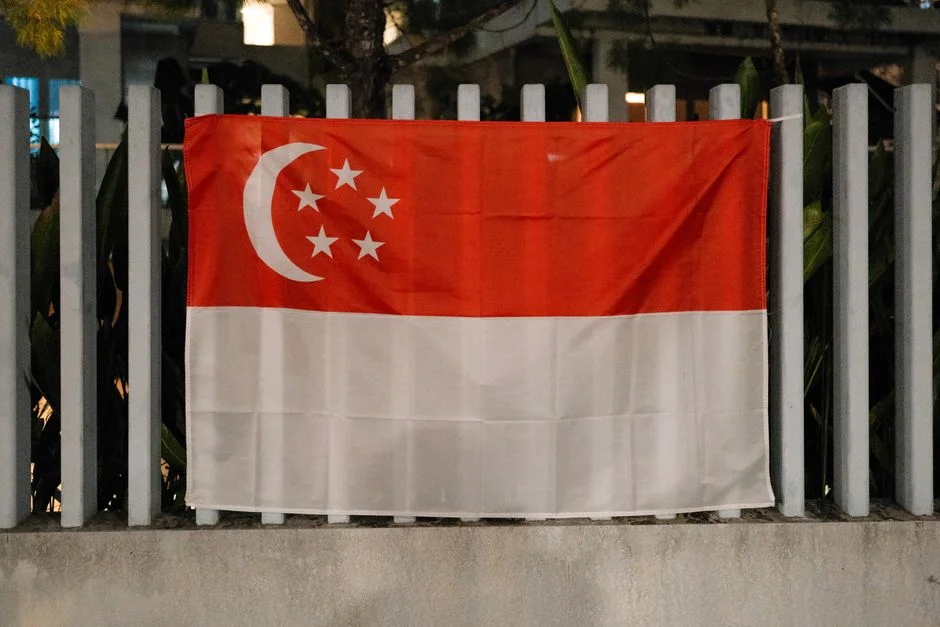
In Singapore, the British band Massive Attack faces a permanent ban from returning to the country. The decision stems from band members displaying a Palestinian flag during a concert in July. Unlike the airwave removal in Malaysia, this is a travel and performance restriction, effectively preventing the group from accessing the Singaporean audience again. The ban underscores how visual symbolism during live performances can trigger long-term exclusion from the market.
These two cases illustrate a growing trend where cultural access is tied to political alignment. Foreign artists are no longer just entertainers but political actors whose symbolism is scrutinized by host governments. The contrast between Malaysia’s airwave ban and Singapore’s entry ban shows different mechanisms of enforcement, yet both achieve the same goal: limiting the platform of dissenting voices.
The impact on the broader entertainment industry is immediate. Promoters and broadcasters must now weigh the political risk of booking artists who have made public statements on Gaza. This adds a layer of complexity to tour planning and media licensing, as artists’ past actions become part of their current marketability. The risk is not just reputational but regulatory, with governments actively intervening in cultural commerce.
Strategic Cultural Diplomacy
The decisions reflect a broader strategy of using cultural platforms to reinforce national positions on the Gaza conflict. By restricting artists who display solidarity with Palestinians, both countries signal their support for the Palestinian cause without needing formal diplomatic statements. This soft power approach allows governments to influence public opinion and align cultural institutions with state interests.
The timing of these bans is significant. They occur while the Gaza conflict remains a focal point of international attention, and Southeast Asian nations are keen to assert their own diplomatic stances. By acting decisively, Malaysia and Singapore demonstrate that cultural diplomacy is a tool for political expression, not just entertainment. This shifts the perception of artists from neutral entertainers to political participants.
The enforcement mechanisms differ but are equally effective. Malaysia’s airwave removal affects passive consumption of music, while Singapore’s ban affects active live performances. Both methods reduce the visibility of the artists and their messages, ensuring that the political stance is not amplified through cultural channels. This creates a clear precedent for future cultural events in the region.
For the entertainment industry, this means increased due diligence is required. Artists’ social media posts, concert footage, and public interviews are now subject to regulatory review. The cost of political symbolism is no longer just reputational but financial, as bans can lead to lost revenue and damaged brand value. The industry must adapt to a new reality where politics and entertainment are inextricably linked.
See Also


- BTS Singapore Concerts Trigger Economic Surge
- Arsenal Fans Ignite Kochi with Unforgettable Screening Experience
Strategic Cultural Diplomacy The decisions reflect a broader strategy of using cultural platforms to reinforce national positions on the Gaza conflict. The risk is not just reputational but regulatory, with governments actively intervening in cultural commerce.
What is the latest news about malaysia and singapore ban artists over gaza stances?
Why does this matter for culture-arts?
What are the key facts about malaysia and singapore ban artists over gaza stances?