Ten years after the landmark ruling that invalidated China's 'Nine-Dash Line' claims in the South China Sea, the Philippines is ramping up its defence strategies. The move, driven by concerns over territorial sovereignty, has significant implications for regional markets and economic stability. Investors and businesses across Southeast Asia, including those in Singapore, are closely monitoring these developments, as they could affect trade routes and geopolitical alliances.
Immediate Developments and Defence Plans
The Philippines announced new defence initiatives aimed at countering perceived threats in the South China Sea. This includes an increase in military spending and the enhancement of naval capabilities. The escalation follows ongoing disputes over maritime boundaries and control of crucial shipping lanes. These measures are expected to influence regional security policies and could lead to shifts in market dynamics as businesses reassess geopolitical risks.

The decision comes amidst rising tensions with China, which continues to assert its claims over most of the South China Sea despite the 2016 ruling by the Permanent Court of Arbitration. The ruling, which was in favour of the Philippines, rejected China's historical claims and aimed to clarify the legal maritime entitlements in the area. Despite this, China has maintained its stance, leading to ongoing disputes over resource-rich waters and strategic territories.
Historical Context and Its Economic Significance
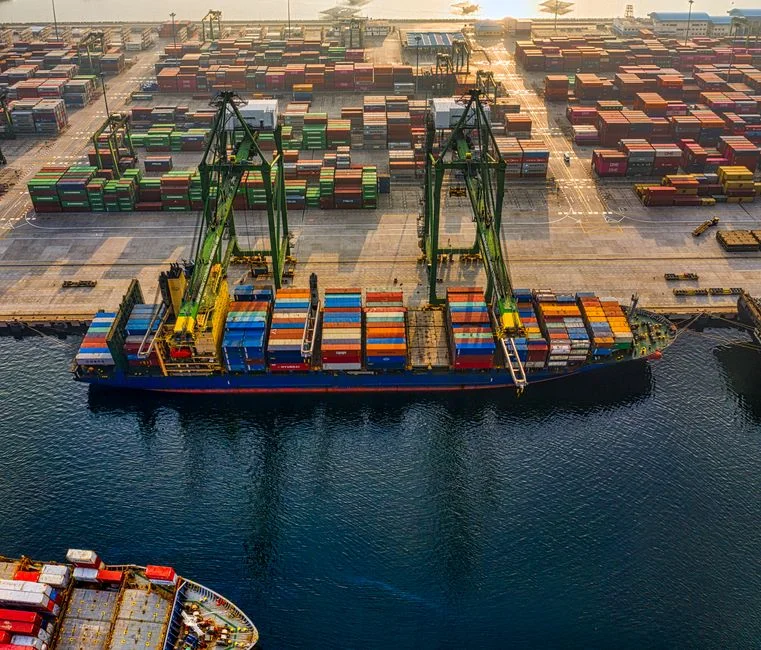

The South China Sea is a vital maritime corridor for global trade, with an estimated one-third of international shipping passing through its waters. The area's rich resources, including oil and gas reserves, add to its strategic importance. The 2016 arbitration ruling was a significant legal victory for the Philippines, aiming to establish clarity and fairness in territorial claims.
Historically, the South China Sea has been a hotspot for international disputes, with multiple countries staking claims. The Philippines' proactive defence measures reflect a broader regional concern about China's growing influence and its potential impact on trade and diplomatic relations. Countries like Vietnam, Malaysia, and Indonesia also contest China's expansive claims, underscoring the ruling's broader geopolitical implications.
Regional and Global Stakeholders
The South China Sea dispute involves several key players, including China, the United States, and ASEAN member states. China's assertive claims have prompted the United States to increase its presence in the region, conducting freedom of navigation operations and strengthening alliances with regional partners. This dynamic has introduced complexities into ASEAN's efforts to balance relationships and ensure regional stability.
Global investors view the disputed area as a crucial barometer of Asia-Pacific security. Any escalation or resolution could dramatically affect regional stock markets, foreign direct investments, and currency valuations. For Singapore and other trading hubs, maintaining free navigation and stable trade routes is critical for economic growth and investor confidence.
Economic Stakes and Investor Concerns
The Philippines' defence response is poised to impact various economic sectors. Increased military spending may stimulate domestic industries, including defence manufacturing and technology. However, heightened tensions could deter foreign investment, as businesses weigh the risks of geopolitical instability against economic opportunities.
Investors are particularly concerned about potential disruptions to supply chains. The South China Sea is pivotal for transporting goods, and any conflict could escalate shipping costs, affect commodity prices, and influence global supply chains. Singapore, as a major trading and financial hub, is particularly sensitive to these shifts, with potential repercussions for its export-driven economy.
Responses from Key Players
Responses from regional powers have been mixed, reflecting varied economic and strategic interests. The United States has reiterated its commitment to defending freedom of navigation and supporting regional allies in accordance with international law. Meanwhile, China has expressed its dissatisfaction with foreign intervention, accusing other nations of exacerbating tensions.
ASEAN nations have shown caution, navigating between asserting their claims and maintaining diplomatic relations with China, a key trading partner. The Philippines' stance, therefore, is both a test of ASEAN's unity and a reflection of broader regional apprehensions about China's maritime ambitions.
Connecting to Regional Trends
The South China Sea dispute is emblematic of broader regional trends in Asia-Pacific, where economic growth is tightly intertwined with geopolitical developments. As countries like the Philippines enhance their defence postures, there is a growing recognition that security issues are closely linked to economic stability and prosperity.
This interconnectedness is evident in the construction of new regional trade agreements, such as the Regional Comprehensive Economic Partnership (RCEP), which aims to bolster economic ties amidst geopolitical uncertainties. The efficacy and resilience of such agreements may be tested as territorial disputes continue to shape regional economic landscapes.
What Lies Ahead?
The situation in the South China Sea remains fluid, with several potential developments on the horizon. The Philippines' continued military enhancements will likely influence regional security calculations and could prompt further alignments or confrontations. Moreover, upcoming ASEAN meetings may provide a platform for diplomatic engagement and conflict resolution.
For markets, the South China Sea will remain a critical area to watch, as any shifts in the status quo could have far-reaching economic implications. Investors should monitor diplomatic statements, military movements, and regional economic indicators to gauge the trajectory of these disputes and their potential market impact.
Looking ahead, the Philippines' actions in the South China Sea will be closely scrutinised by global markets and regional powers. As the situation evolves, businesses and investors will need to weigh geopolitical risks against opportunities in one of the world's most dynamic economic regions.