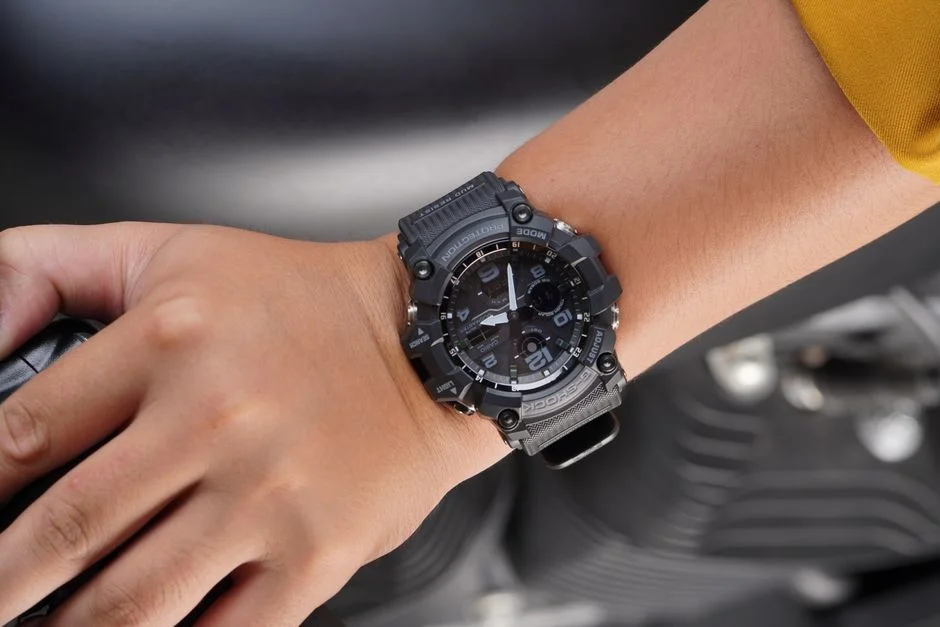
Seiko Group is bringing Grand Seiko to Singapore using the same strategy that drove its growth in India. Company executives confirmed the luxury watch division plans to replicate its India playbook in the city-state, betting that direct-to-consumer retail and brand-building tactics proven in emerging markets can crack a market dominated by Swiss rivals.
India Strategy Pays Off for Grand Seiko
Grand Seiko entered India with a targeted approach: own stores in key cities, limited third-party retail, and heavy investment in consumer education. The strategy differed sharply from traditional luxury watch distribution models that rely on authorized dealers and multi-brand retailers. Company officials said the India method produced measurable results in brand recognition and customer loyalty within the first two years of full implementation.
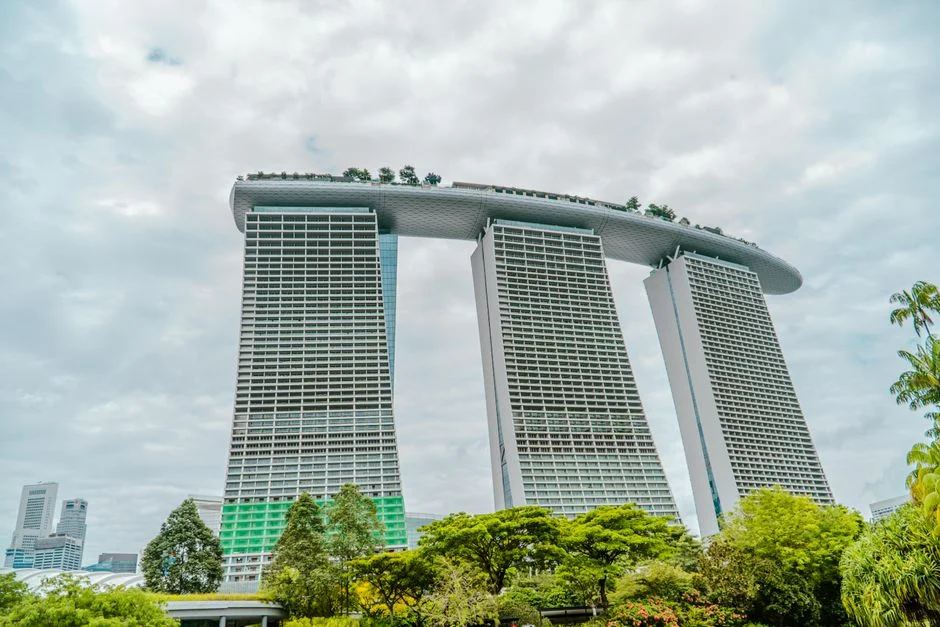
The watchmaker opened 28 boutiques across India since launching its direct retail programme. It also partnered with two premium department store chains for exclusive in-store corners in Mumbai and New Delhi. This hybrid model gave Grand Seiko physical presence without diluting brand positioning through mass distribution.
Industry observers noted the India approach reflected a broader shift among Japanese luxury brands seeking to compete directly with Swiss heavyweights Rolex and Omega in high-growth Asian markets.
Why Singapore Fits the Expansion Plan
Singapore presents a different set of challenges than India. The market is smaller geographically but boasts higher per-capita luxury spending. Consumers in the city-state already have access to an extensive range of Swiss luxury watches through established retailers like The Hour Glass and Watch Workshop.
Grand Seiko executives see an opening nonetheless. The brand remains relatively unknown among Singapore's affluent consumers compared to European competitors. Applying the India playbook means controlling distribution tightly while building brand awareness through experiential retail and targeted marketing.
Japan's top watchmaker also cited Singapore's strategic location as a regional hub as a factor in its decision. A successful Singapore launch could serve as a template for expansion into Malaysia, Thailand, and other Southeast Asian markets where the luxury watch segment continues growing.
Market Implications for Singapore Retail


Grand Seiko's entry will intensify competition in Singapore's luxury watch retail space. Existing multi-brand retailers may face pressure as the Japanese brand seeks shelf space and authorised dealer partnerships. The move could also trigger responses from other premium watchmakers considering similar direct-to-consumer strategies in the region.
For investors tracking Seiko Group, the Singapore expansion represents a test case for whether the India playbook translates to mature luxury markets. The company has invested significantly in Grand Seiko's global brand building over the past five years, with retail footprint expansion as a core pillar of that strategy.
Seiko Group reported strong growth in its premium segment during the last fiscal year, with Grand Seiko contributing an increasing share of overall revenue. Analysts have pointed to Asian market performance as a key driver, making Singapore's affluent consumer base an attractive next target.
Consumer Trends Driving the Strategy
Singapore's luxury watch buyers have shown increasing interest in Japanese craftsmanship over the past three years. Local collectors and enthusiasts have praised Grand Seiko's in-house movements and the brand's minimalist aesthetic as alternatives to traditional Swiss design.
Digital engagement has also shaped consumer expectations in the market. Singapore buyers research watches extensively online before purchasing, making brand storytelling and educational content critical components of any luxury watch marketing strategy. Grand Seiko's India playbook emphasised exactly this kind of content-driven approach through its boutique experience and social media presence.
The Singapore Economic Development Board has supported luxury goods companies seeking to establish regional operations in the city-state. Industry sources suggest Grand Seiko has engaged with relevant authorities regarding retail licensing and location approvals for its planned boutiques.
Regional Competition Heats Up
Grand Seiko is not alone in targeting Singapore's luxury watch segment. Swiss brands Omega and TAG Heuer have expanded their retail footprints in the city over the past two years. Competing for the same affluent demographic means Grand Seiko must differentiate through its unique value proposition rather than competing solely on price or distribution scale.
The company believes its Japan-made movements and the story of Shizukuishi watchmakers give it a differentiated position. No Swiss competitor offers the same combination of Japanese design philosophy and mechanical precision, executives have argued in previous statements.
Regional watch analysts have noted that Japanese brands have historically underperformed Swiss rivals in Southeast Asian luxury markets. Seiko's decision to apply its India playbook in Singapore signals confidence that the strategy can work in more competitive environments than India.
What Happens Next
Grand Seiko has not announced specific timelines or locations for its Singapore retail rollout. The company typically selects prime retail locations in established luxury shopping districts before launching in new markets. Industry sources expect the first boutique announcement before the end of the current fiscal year.
The Singapore launch will be closely watched by competitors and retail partners across Southeast Asia. Success in the city-state would validate the India playbook as a replicable model for developed Asian markets. Failure would raise questions about whether the approach can work outside emerging markets where Grand Seiko faces less entrenched competition.
Investors should monitor Seiko Group's next quarterly earnings report for updates on the Singapore expansion timeline and any capital allocation details for the planned retail investments.
See Also
- Rubio Defies Sanctions in Beijing, Shaking Global Markets
- BTS Tour Surge Triggers Economic Boom in Asia, Australia
Analysts have pointed to Asian market performance as a key driver, making Singapore's affluent consumer base an attractive next target.Consumer Trends Driving the StrategySingapore's luxury watch buyers have shown increasing interest in Japanese craftsmanship over the past three years. Singapore buyers research watches extensively online before purchasing, making brand storytelling and educational content critical components of any luxury watch marketing strategy.
What is the latest news about grand seiko sets singapore target using india as its blueprint?
Why does this matter for sports?
What are the key facts about grand seiko sets singapore target using india as its blueprint?