Fujikura Ltd., one of Japan's largest cable manufacturers, has found its footing again after a costly expansion misstep, as surging global demand for fiber-optic infrastructure reshapes the company's fortunes. The Tokyo-listed firm struggled two years ago when an ambitious diversification effort into unrelated sectors dragged down earnings. Now, a worldwide race to build high-speed data networks has put the manufacturer back on investors' radar. Executives at Fujikura's headquarters in Tokyo confirmed the shift reflects broader market forces rather than any single strategic breakthrough.
From Setback to Recovery
The company stumbled when its diversification push diluted focus from its core wiring and cable business. At the time, Fujikura posted its worst annual loss in a decade, forcing a strategic retreat. The restructuring that followed involved shuttering underperforming divisions and returning capital to shareholders. Those moves laid the groundwork for the current turnaround, though the recovery remained uncertain until fiber-optic orders began flooding in. Industry observers say the timing proved fortunate for a company that had few other options.
Global Bandwidth Race Drives Orders


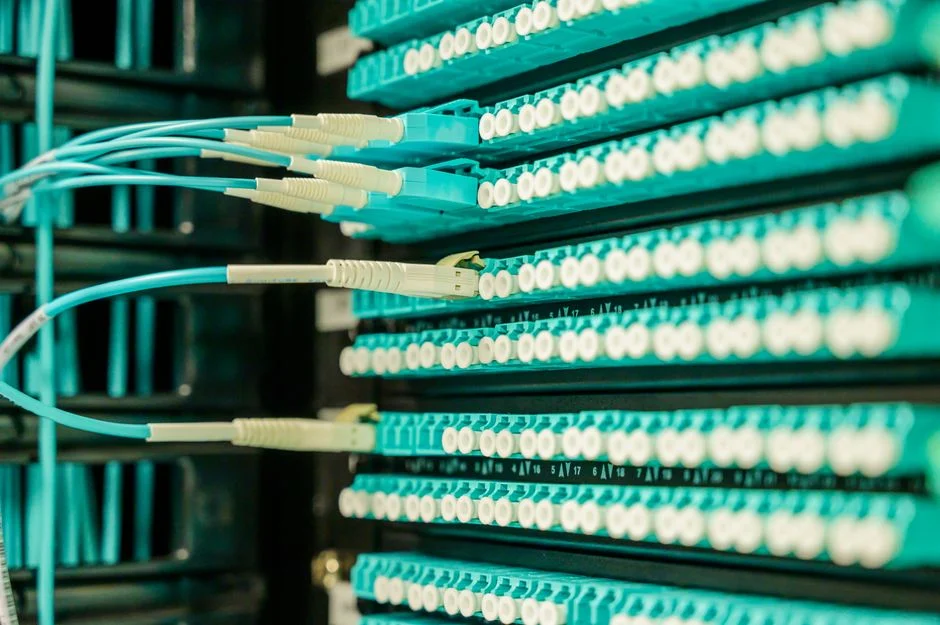
Demand for fiber-optic cables has intensified across multiple regions as telecommunications giants race to expand network capacity. Streaming platforms, remote work tools, and AI applications have collectively strained existing infrastructure, leaving carriers with little choice but to invest heavily in new lines. This trend has benefited manufacturers like Fujikura that possess the technical expertise to produce high-quality fiber at scale. The company's manufacturing facilities in Japan and Southeast Asia have reportedly been running near full capacity to meet order volumes.
Regional Demand Patterns
Asia-Pacific remains the fastest-growing market for fiber deployment, driven by government initiatives in countries like India, Indonesia, and Vietnam to connect rural communities. European and North American operators are also accelerating fiber builds to replace aging copper networks. Fujikura has secured contracts with major telecom providers in several of these markets, according to filings with the Tokyo Stock Exchange. The company declined to name specific clients citing confidentiality agreements.
Financial Results Reflect the Turnaround
Fujikura reported improved operating margins in its most recent quarterly filing, driven primarily by the cable segment that now accounts for the majority of group revenue. The company's shares have climbed roughly 25 percent over the past six months, outpacing the broader TOPIX index. Analysts at Daiwa Securities noted in a research report that the stock remains undervalued relative to peers given the structural tailwinds facing fiber manufacturers. The firm raised its price target for Fujikura to reflect updated earnings projections.
Competitors Feel the Pressure
Other cable makers are also capitalising on the fibre boom, intensifying competition for contracts and raw materials. Sumitomo Electric Industries and Nexans have both announced capacity expansions in recent months. Supply chains for specialised glass preforms and polymer coatings have tightened, creating potential bottlenecks for manufacturers seeking to ramp up production. Fujikura's advantage lies in its long-standing relationships with key suppliers and its vertically integrated manufacturing process, which insulates it somewhat from input cost volatility.
Investor Sentiment Shifts
Institutional investors who had written off Fujikura after its expansion failure are revisiting their positions. Fund managers at several Tokyo-based asset managers told local media the company now represents a practical way to gain exposure to the global digital infrastructure buildout without betting on individual technology companies. The stock's price-to-earnings ratio has compressed as earnings expectations rose, though it still trades below the sector average. Smaller retail investors have also shown renewed interest, with trading volumes on the Tokyo exchange picking up notably.
What Comes Next
Fujikura plans to announce its next three-year strategic plan in the coming months, with executives hinting at further investment in fibre-related research and development. The company will need to decide whether to expand manufacturing capacity or focus on improving efficiency at existing facilities. Labour shortages in Japan's industrial sector remain a constraint, prompting the firm to explore automation and partnerships with local vocational schools. Investors will watch the strategy update closely for signals about capital allocation priorities and potential shareholder returns.
See Also
- China's Camel Abuse Scandal Triggers Tourism Boycott Fears in Xinjiang
- China Overtakes US in Fintech Patent Race — And the Stakes Are Massive
Financial Results Reflect the Turnaround Fujikura reported improved operating margins in its most recent quarterly filing, driven primarily by the cable segment that now accounts for the majority of group revenue. Analysts at Daiwa Securities noted in a research report that the stock remains undervalued relative to peers given the structural tailwinds facing fiber manufacturers.