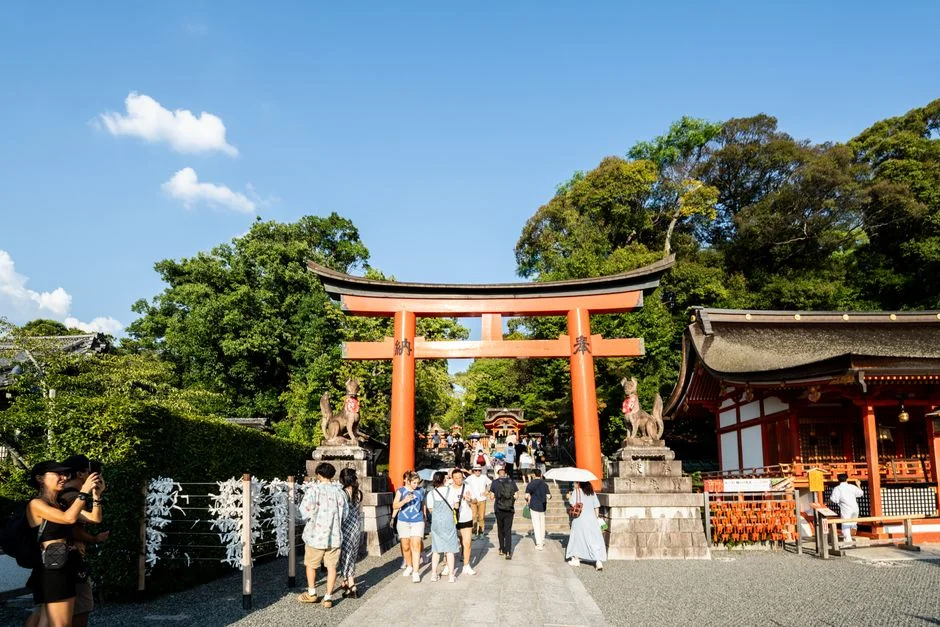
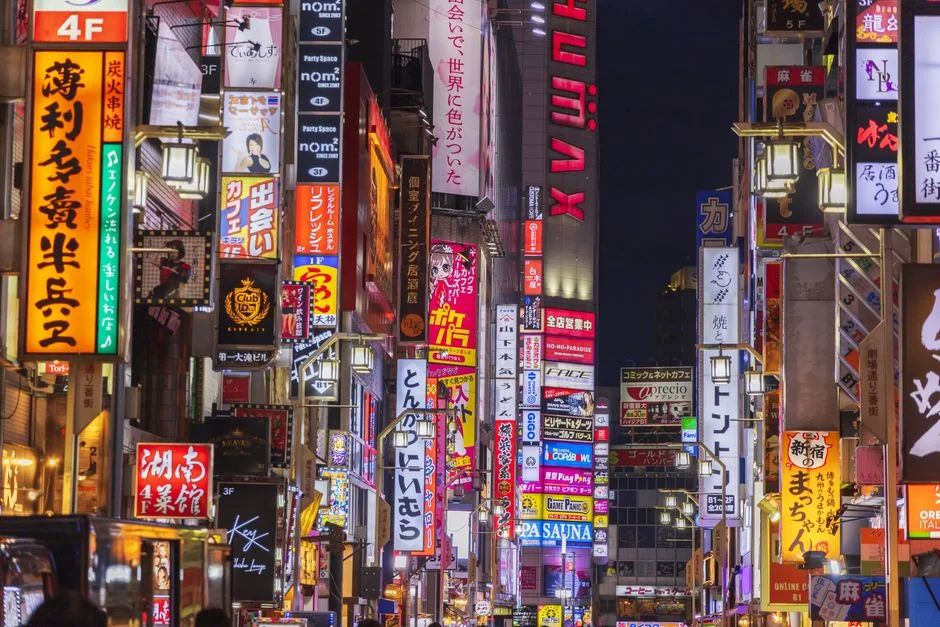
Japanese destinations are introducing separate price tiers for foreign tourists and domestic visitors, a policy shift driven by record-breaking arrival numbers that local authorities say are overwhelming historic sites, disrupting residents' daily lives, and stretching infrastructure beyond sustainable limits.
The Japan National Tourism Organization reported that the country welcomed nearly 36.9 million visitors in 2024, surpassing pre-pandemic levels and adding pressure on popular destinations from Kyoto's temples to Nara's famed deer park. Now, businesses and local governments are betting that differential pricing can ease crowding while generating additional revenue to fund preservation work and improved visitor facilities.
Kyoto Leads the Dual Pricing Push
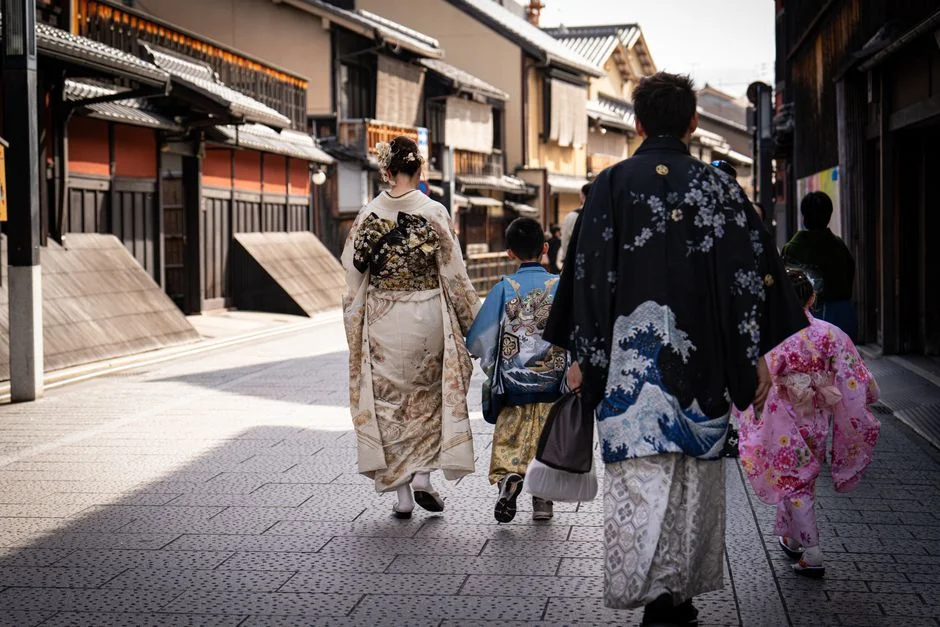
Kyoto has emerged as the testing ground for this controversial approach. Several major temples and cultural attractions now charge foreign visitors admission fees that are two to three times higher than those paid by Japanese nationals. The practice, long common at national parks and tourist sites in countries like Bhutan, Singapore's Gardens by the Bay, and European museums, is generating fierce debate within Japan about fairness and economic strategy.
Local tourism officials in Kyoto confirmed that revenue from higher foreign pricing is being funnelled directly into restoring aging wooden structures and managing the estimated 50 million tourists who visited the ancient capital last year alone. The city has struggled with overtourism for years, with narrow streets clogged by tour buses and residents complaining that their neighbourhoods have become open-air museums rather than living communities.
Business Owners Weigh In on Pricing Strategy
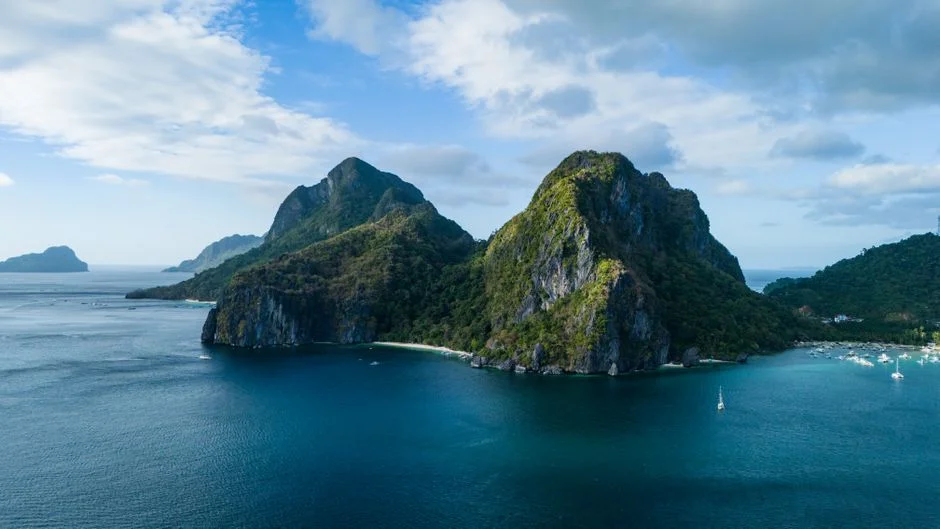

Hotel operators and restaurant owners along Kyoto's Shijo-dori shopping district have offered mixed assessments. Some establishments report that higher visitor numbers have boosted sales beyond expectations, while others warn that aggressive pricing drives tourists toward budget alternatives in Osaka or Hiroshima, cities just 30 minutes away by bullet train.
A spokesperson for the Kyoto Chamber of Commerce told local media that differential pricing could backfire if visitors perceive it as discriminatory. "Tourists have smartphones and compare prices across destinations," the organisation stated. "If they feel unwelcome, they will simply redirect their spending elsewhere in Asia." Singapore, Thailand, and Vietnam have all benefited from negative sentiment in competing markets, and Japan faces growing competition for the discretionary travel budgets of middle-class visitors from China, South Korea, and Southeast Asia.
Market Implications for Investors and Tourism Operators
The dual pricing trend carries significant implications for publicly traded companies with exposure to Japanese hospitality and retail. Shares in regional railway operators, hotel chains, and duty-free retailers have shown sensitivity to visitor flow data, and analysts note that any policy that dampens tourist enthusiasm warrants close monitoring.
Investors in Japan Real Estate Investment Corporations, which hold portfolios heavily weighted toward retail properties in tourist corridors, should watch whether rising admission costs translate into longer stays and higher per-visitor spending, or whether they reduce overall foot traffic to commercial districts. Credit rating agencies have flagged overtourism-related wear-and-tear as a factor in their assessments of municipal bond issuers in popular destinations.
Singapore Visitors Feel the Impact Directly
For Singapore travellers, Japan's new pricing landscape adds a layer of cost complexity. A family of four from Singapore visiting Kyoto's Kinkaku-ji temple, for instance, now pays substantially more than a Japanese family for the same experience. AirAsia, Singapore Airlines, and Scoot have all reported continued strong demand for Japan routes, but travel agents note that visitors are increasingly factoring attraction fees into trip budgets, often choosing to skip multiple paid sites in favour of free experiences like wandering Tokyo's Harajuku district or photographing Mount Fuji from public viewpoints.
Preservation Versus Accessibility
Proponents of differential pricing argue that higher fees serve a vital function: protecting irreplaceable cultural heritage from the physical damage caused by unprecedented visitor volumes. Japan's Agency for Cultural Affairs has pointed to cracked stone pathways at historic gardens, erosion on mountain trails near popular hiking spots, and the sheer cost of staffing and security at attractions that previously drew a fraction of today's crowds.
Environmental groups have echoed these concerns. The Nara Prefectural Government cited overcrowding at deer-feeding areas as justification for introducing tiered pricing at parks near the Todai-ji temple. The policy, authorities said, aims to reduce peak-hour congestion while ensuring that locals can access green spaces without navigating tour groups.
Opposition and Resident Concerns
Not everyone supports the direction of travel. Critics within Japan argue that dual pricing stigmatises foreign visitors and contradicts the country's hospitality-focused tourism branding. Online forums have seen heated exchanges between residents who welcome the policy and those who worry it damages Japan's international reputation.
Some economists have questioned whether price differentials alone can alter behaviour when the underlying attraction remains compelling. "People flew 5,000 kilometres to see the Taj Mahal," one tourism researcher noted in remarks quoted by Japanese broadcaster NHK. "A few thousand yen in additional fees rarely changes that calculus."
What Comes Next
The outcomes in Kyoto and Nara will inform broader policy discussions. Japan's Ministry of Land, Infrastructure, Transport and Tourism is expected to release updated tourism management guidelines before the end of the current fiscal year, and local governments in Hakone, Nikko, and Okinawa have signalled interest in exploring similar measures.
For regional neighbours competing for the same visitor pool, Japan's experiment offers a live case study in the trade-offs between revenue maximisation and destination sustainability. Travel industry executives across Southeast Asia will be watching to see whether Japan's approach succeeds in reducing crowding without deterring the visitor spending that has become a significant contributor to local economies.
See Also
- Indian Cockroach Janata Party Challenges Western Misunderstandings — Here’s Why It Matters
- Tokyo Slams Litterbugs with On-the-Spot Fines — Businesses Brace for Backlash
Japan's Agency for Cultural Affairs has pointed to cracked stone pathways at historic gardens, erosion on mountain trails near popular hiking spots, and the sheer cost of staffing and security at attractions that previously drew a fraction of today's crowds.Environmental groups have echoed these concerns. The policy, authorities said, aims to reduce peak-hour congestion while ensuring that locals can access green spaces without navigating tour groups.Opposition and Resident ConcernsNot everyone supports the direction of travel.
What is the latest news about japan tourist hotspots roll out dual pricing as visitor surge strains infrastructure?
Why does this matter for education?
What are the key facts about japan tourist hotspots roll out dual pricing as visitor surge strains infrastructure?