Two of Japan's largest industrial names are extracting aluminum from discarded air conditioning units. Itochu, one of the country's biggest trading houses, and Daikin, a global leader in climate control equipment, announced a joint programme to recover aluminum from decommissioned air conditioners. The initiative targets Japan's growing pile of retired cooling units and the valuable metals inside them. Officials say the scheme could reshape how manufacturers source raw materials while cutting waste.
The Partnership and Its Scope
Itochu brings its trading and logistics muscle to the table. The company handles commodity flows across Asia and has extensive supply chain infrastructure. Daikin contributes its manufacturing expertise and access to a vast installed base of air conditioning equipment. Together, they plan to collect, disassemble and process units at specialised facilities. The recovered aluminum will re-enter the industrial supply chain, displacing virgin material imports.
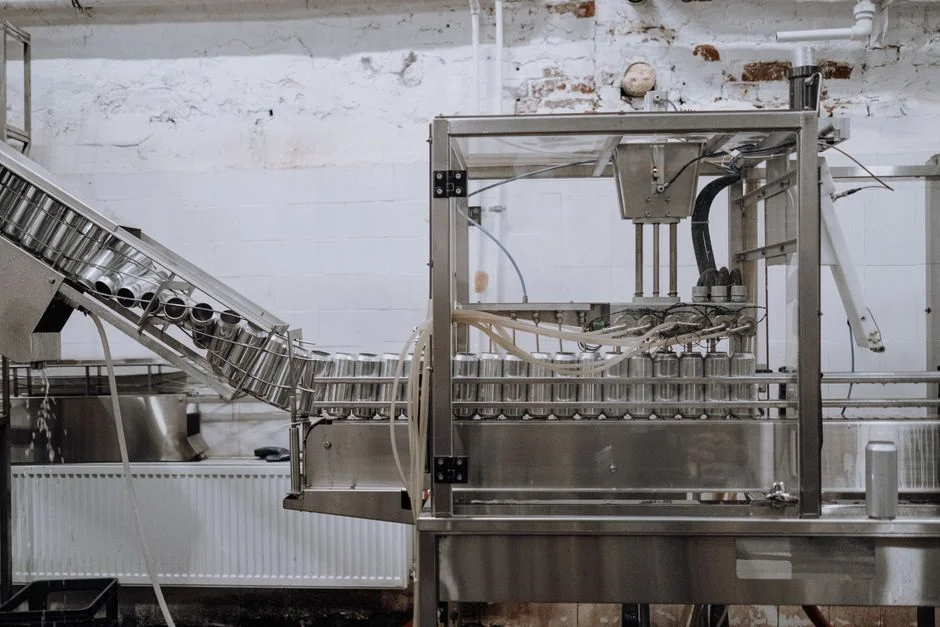
Japan discards millions of air conditioning units each year as older models reach the end of their operational lives. Each unit contains significant quantities of aluminum in coils, heat exchangers and structural components. The traditional route has been scrapping, with material value captured but not systematically redirected. This programme aims to change that by creating a cleaner, more efficient recovery loop.
Economic Drivers Behind the Push


Aluminum prices have swung sharply over the past several years. Supply chain disruptions, energy cost pressures and geopolitical factors have made the commodity more expensive to produce from bauxite. For manufacturers like Daikin, that translates directly into higher input costs for every unit assembled. By recovering aluminum from old equipment, the company can lock in a degree of price stability that virgin material markets rarely offer.
Itochu's involvement signals that major traders see recycled aluminum as a growing market. Trading houses profit by connecting sources of supply with industrial buyers, and a robust reverse logistics chain for metals fits that model perfectly. The partnership essentially creates a new commodity stream with predictable volumes once collection networks reach scale.
Investor Implications
For investors watching Japanese industrials, this programme carries several implications. Cost savings are the most immediate: recycled aluminum typically requires far less processing than mined ore. Energy consumption drops substantially, which matters in a country where power costs remain a concern for manufacturers. ESG-conscious investors may also view the initiative favourably as evidence of genuine resource circularity rather than superficial greenwashing.
Japan's Circular Economy Ambitions
The programme aligns with government policy in Tokyo, which has set ambitious targets for resource productivity. Japan's updated resource circulation strategy calls for greater material recovery from electronics and appliances. Policymakers have offered incentives for companies that develop closed-loop systems. Itochu and Daikin's scheme positions both firms to benefit from any future support while demonstrating compliance with broader national goals.
The initiative also addresses waste management pressures. Landfill capacity in parts of Japan continues to shrink, and the environmental regulatory environment tightens each year. Companies that reduce waste streams proactively avoid future compliance costs and reputational risks. Running an efficient take-back programme for air conditioners provides a hedge against stricter disposal rules down the line.
Regional and Global Context
Japan is not alone in pursuing aluminum circularity. European manufacturers have experimented with similar approaches, and Chinese producers are investing heavily in recycling capacity. What distinguishes the Itochu and Daikin model is the direct link between a major equipment maker and a trading house with global reach. That combination could eventually scale beyond Japan if the economics prove favourable.
For Singapore, which imports significant volumes of aluminum and aluminum products, this development matters. Regional supply chains are interconnected. If recycled aluminum from Japan becomes more readily available, it could influence pricing in Southeast Asian markets. Singapore-based manufacturers that use aluminum components should monitor how this programme develops and whether it creates new sourcing opportunities.
What Comes Next
The companies have outlined a pilot phase before full commercial rollout. Collection networks will need to expand beyond major metropolitan areas to achieve meaningful scale. Processing technology will determine how much of the extracted aluminum meets industrial specifications for reuse in new air conditioners. Quality matters: aluminum recovered from heat exchangers must perform to the same standards as virgin material in cooling applications.
Watch for announcements on collection targets, processing capacity and any partnerships with logistics providers. The programme's success will ultimately be measured in tonnage recovered and cost differential against market aluminum prices. If the pilot delivers results, expect other Japanese manufacturers to explore similar arrangements with trading houses across different material streams.
See Also
- 15-Year-Old Sooryavanshi Debuts at Old Trafford in India Youth Loss
- Reserve Bank of India Launches CBDC Pilot for Cross-Border Transactions
For Singapore, which imports significant volumes of aluminum and aluminum products, this development matters. What distinguishes the Itochu and Daikin model is the direct link between a major equipment maker and a trading house with global reach.
What is the latest news about daikin and itochu recover aluminum from air conditioners and the economic rationale?
Why does this matter for infrastructure-cities?
What are the key facts about daikin and itochu recover aluminum from air conditioners and the economic rationale?