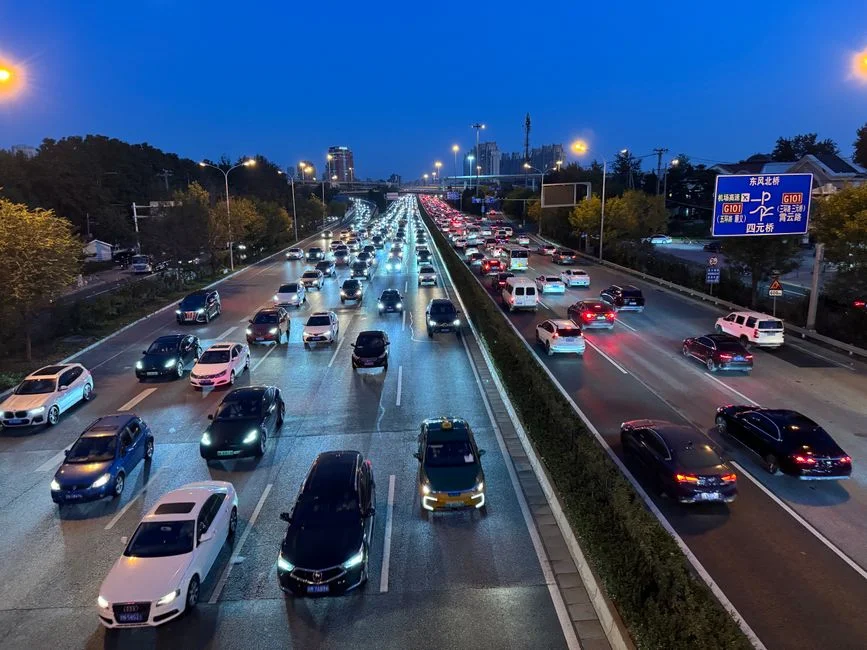
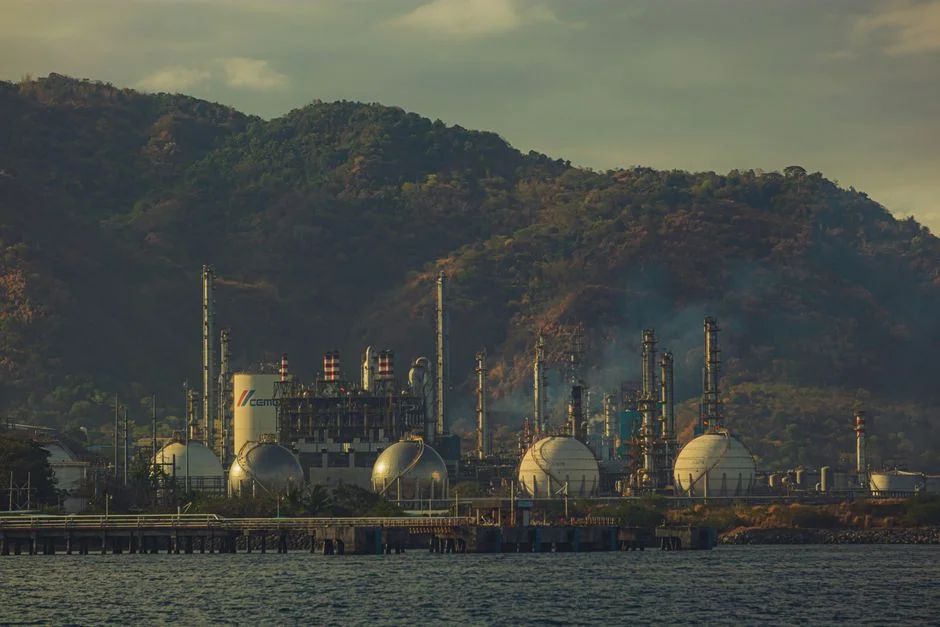
Households and businesses across the region face another round of energy cost increases after liquefied petroleum gas cylinder prices climbed by ₹29, driven by supply disruptions stemming from the conflict in West Asia. The latest increase compounds pressure on import-dependent markets already grappling with elevated energy expenses. Suppliers warned that further adjustments could follow if the situation in West Asia remains unresolved.
Why West Asia Matters for LPG Markets
West Asia accounts for a substantial share of global LPG exports, with major producers in the Gulf region controlling significant volumes that flow into Asian markets. When instability affects shipping routes or production facilities in the region, the ripple effects reach buyers thousands of kilometres away. Singapore, which imports nearly all its LPG, sits particularly exposed to such disruptions.
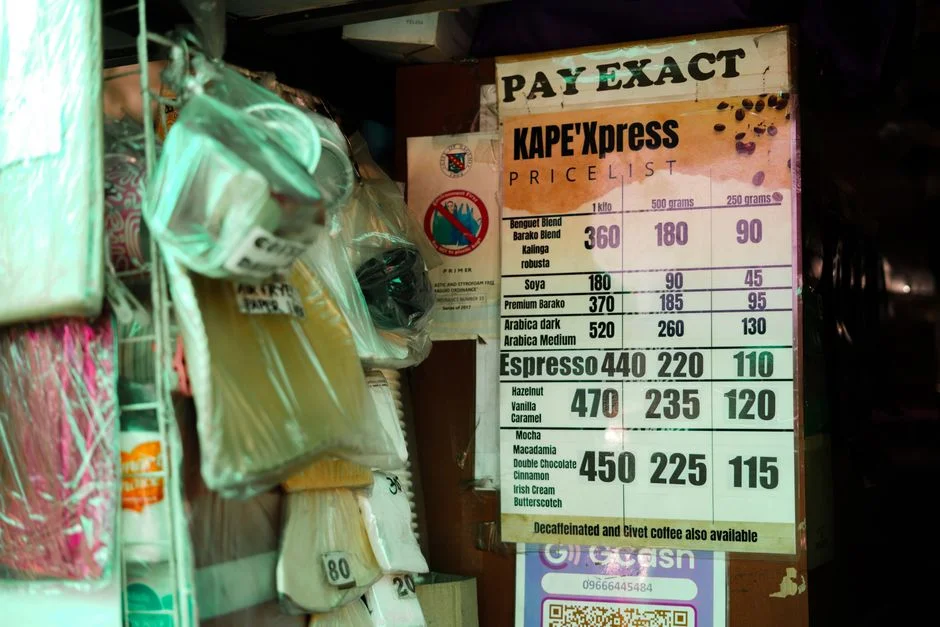
The conflict has introduced multiple friction points along supply corridors. Insurance costs for vessels traversing higher-risk zones have climbed, while freight rates have moved upward as available shipping capacity tightens. These additional expenses translate directly into higher landed costs for importers, who then pass them downstream.
Price Transmission Reaching Singapore

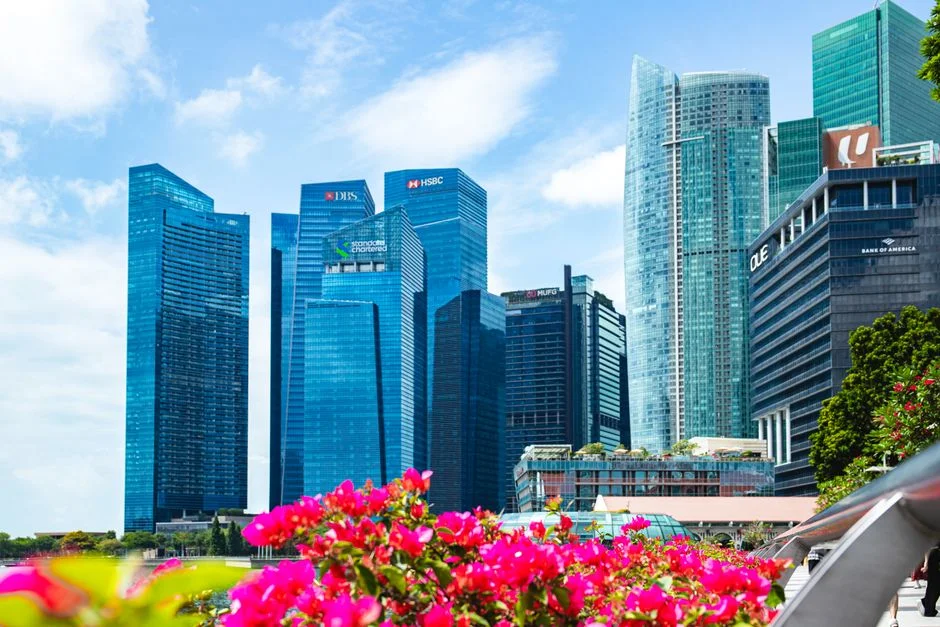
For Singapore, which relies on LPG for cooking fuel in many households and industrial processes, the West Asia-driven cost surge creates margin pressure across multiple sectors. Food and beverage operators who use LPG for kitchen operations face higher input costs, while chemical manufacturers dependent on LPG as a feedstock must absorb or pass on the increase.
Energy traders in Singapore are watching the situation closely. One trading house told local media that propane and butane spot prices had climbed noticeably since the escalation in West Asia began. The city-state's position as a key LPG transshipment hub means price movements here have regional implications.
Sectors Bracing for Impact
Small and medium enterprises appear most vulnerable to the cost spiral. Restaurants and hawker stalls that depend on LPG for daily cooking operations face difficult choices: absorb the higher costs and shrink margins, or raise prices and risk losing customers in a price-sensitive environment. Industry groups have flagged the pressure to authorities, seeking clarity on whether any relief measures might materialise.
Industrial users face a different calculus. Companies using LPG as a raw material in manufacturing rather than just a fuel source cannot simply switch to alternatives. For them, the West Asia-driven price surge represents a direct hit to production economics, potentially squeezing profitability or forcing output decisions.
Investor Perspective on Energy Sector
For investors, the LPG price environment creates both challenges and opportunities. Energy companies with integrated upstream production may benefit from higher feedstock values, while pure-play importers and distributors face margin compression. Singapore-listed companies with exposure to LPG trading and distribution are under the microscope as analysts model the impact on quarterly earnings.
The conflict in West Asia introduces uncertainty into earnings guidance. Several Singapore-based energy firms had factored in relatively stable input costs for the current quarter. A sustained price elevation would require revised forecasts and could prompt investors to reassess valuations across the sector.
What Comes Next
The trajectory depends heavily on developments in West Asia. If diplomatic efforts succeed in reducing tensions, freight costs could normalise and take some pressure off LPG prices. However, observers caution that any sustained improvement would require visible normalisation of shipping operations in the Gulf.
Market participants will scrutinise the next round of cargo purchase tenders from Singapore importers. Pricing outcomes there will signal whether the market considers the current disruption temporary or structural. Households and businesses should monitor supplier announcements for the next price adjustment window, expected within the next several weeks.
See Also
- Vietnam's President To Lam Demands Asia-Pac Solutions Amid Global Crises
- Andhra Pradesh Bans Power Tariff Hike for 2026-27 — Relief for Consumers
Singapore-listed companies with exposure to LPG trading and distribution are under the microscope as analysts model the impact on quarterly earnings. Energy companies with integrated upstream production may benefit from higher feedstock values, while pure-play importers and distributors face margin compression.