Australian authorities have identified a suspected case of H5 bird flu at Hawks Nest in New South Wales, marking the first detection of the deadly strain on the country's densely populated east coast. The discovery has sent ripples through agricultural markets and triggered immediate biosecurity protocols across the region.
First H5 Detection Rocks Australia's East Coast
The suspected case emerged during routine surveillance testing near Hawks Nest, a coastal locality north of Newcastle. New South Wales agriculture officials confirmed the find on Thursday, stating that preliminary results indicated the presence of the H5 subtype. Further laboratory analysis is underway to determine the precise strain and assess its potential severity.
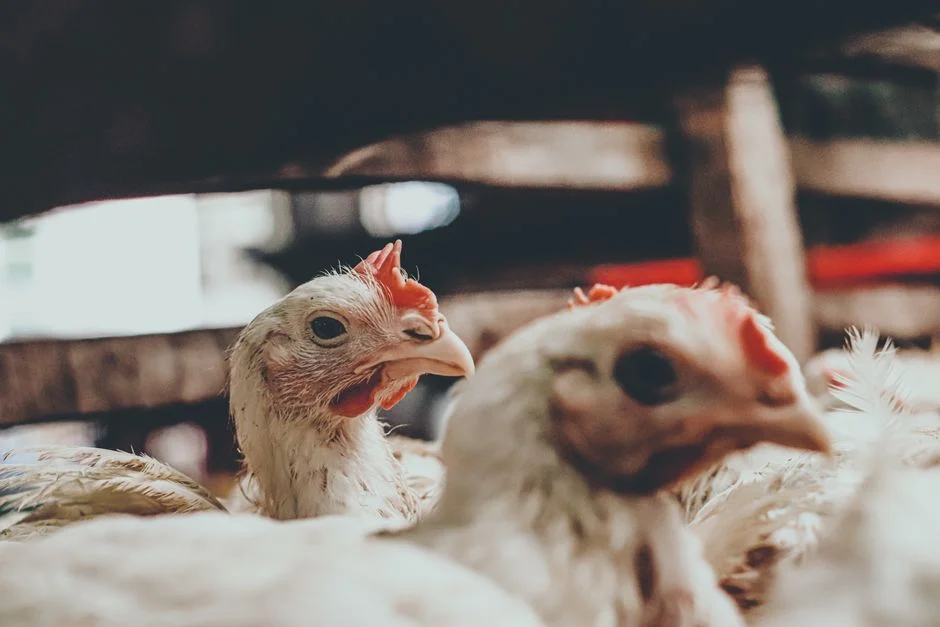
Migratory birds are the primary suspects. Australia sits along several major flyways that bring wildfowl from Asia and the Pacific, creating year-round exposure to avian influenza viruses. Until now, H5 strains had been largely confined to the country's southern and western regions.
Why This Matters for Singapore's Food Supply


Singapore depends heavily on poultry imports, with Australia consistently ranking among the top suppliers of chicken and related products. Any disruption to Australian export capacity sends ripples across Southeast Asian markets already navigating supply chain volatility.
The detection raises immediate questions about whether trade protocols will shift. Several countries have pre-established zoning arrangements that allow unaffected regions to continue exports while authorities contain an outbreak. Whether NSW poultry can still move to Singapore depends on how quickly authorities confirm the strain's profile and contain its spread.
Broader Poultry Market Implications
Beyond direct trade, regional supply dynamics could tighten if importers elsewhere begin diversifying away from Australian products. That shift would compress available supply across the Asia-Pacific market, potentially pushing prices upward for consumers in import-dependent nations. Singapore, which sources roughly a third of its chicken from Australia, faces acute exposure to any prolonged disruption.
Biosecurity Costs and Industry Response
The detection has forced New South Wales authorities to scale up monitoring across poultry farms and wetland habitats near the Hawks Nest area. Testing protocols have intensified, with agricultural laboratories working extended hours to process samples. Biosecurity teams are conducting trace-forward investigations to identify any connections between wild bird populations and commercial operations.
Industry groups representing poultry producers have urged calm while acknowledging the seriousness of the situation. Egg and meat producers across NSW are watching closely, knowing that a confirmed H5 case could trigger movement restrictions and culling orders that disrupt production for months.
What Comes Next
All eyes are on the definitive laboratory results expected within the coming days. Federal agriculture officials in Canberra are coordinating with NSW authorities to assess whether the detected strain matches highly pathogenic variants that have caused devastation in poultry industries overseas. That determination will shape the response, including whether international trading partners impose immediate bans or adopt more nuanced restrictions.
For Singaporean importers, the next 72 hours represent a critical window. Market operators should monitor announcements from the Singapore Food Agency and prepare contingency sourcing plans while awaiting clarity on whether Australian poultry supply remains viable. The situation remains fluid, and a confirmed highly pathogenic strain would almost certainly trigger swift action from major buyers across the region.
See Also
- Trump Returns to a Stronger China — Markets Brace for Shock
- Malaysia Proposes Social Media Ban for Under-18s — Platforms Brace for Revenue Hit
What is the latest news about australia confirms first h5 bird flu case at hawks nest east coast poultry sector on alert?
Why does this matter for culture-arts?
What are the key facts about australia confirms first h5 bird flu case at hawks nest east coast poultry sector on alert?