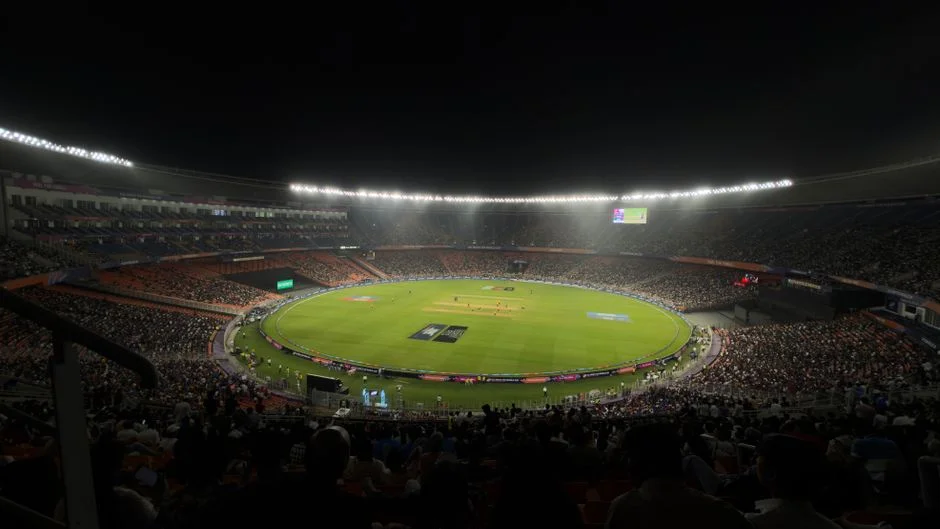
India and England resume their rivalry on the cricket field this week in a five-match T20 International series that has drawn intense interest from broadcasters, advertisers, and sponsors across the region. The matches, scheduled across major Indian venues, pit two of the world's most followed cricket teams against each other in a format that consistently delivers the highest viewership numbers in the sport. For businesses targeting South Asian consumers, the series represents a prime commercial window.
Venue and Format Details
The series features five T20 matches played at stadiums across India, with capacity crowds expected at each venue. T20 cricket, known for its fast-paced format lasting roughly three hours, has become the preferred format for broadcasters seeking reliable, high-audience programming. The short duration makes it easier for advertisers to integrate campaigns without demanding the extended attention spans that Test cricket requires.

India's home advantage in T20 cricket is well documented. The team has built a formidable record at home in this format, winning the majority of its matches played on Indian soil over the past five years. England, however, arrives with a reputation built on aggressive batting and tactical innovation, making the series an unpredictable commercial proposition for broadcasters counting on close, exciting finishes to sustain viewer interest through all five matches.
Commercial Significance for Broadcasters


The Board of Control for Cricket in India controls one of the most valuable broadcast portfolios in global sport. Television rights for Indian cricket have commanded premium prices in recent years, with domestic and international broadcasters competing fiercely for access to India's cricket-hungry audience of over 600 million viewers who watch major matches. This series against England slots into a crowded international calendar that still draws consistently strong numbers, underscoring the commercial weight both teams carry in the market.
Cricket broadcasting generates revenue through multiple streams. Television networks sell advertising inventory during live coverage, with commercial breaks between overs and during innings breaks providing high-visibility slots that brands compete to occupy. Digital streaming platforms, which now account for a significant and growing share of total viewership, add subscription revenue on top of ad income. The combination means a five-match T20 series between India and England can generate meaningful advertising revenue for the platforms carrying it live.
Advertising Revenue Drivers
Each match window offers brands a captive audience spanning urban metropolitan viewers and rural cricket fans who follow the sport through television and mobile screens alike. Categories that consistently advertise during India matches include telecommunications providers, consumer goods companies, financial services firms, and sports apparel brands. The concentration of viewers during a live match, particularly during batting performances by popular Indian players, produces CPM rates that far exceed typical prime-time television averages in the region.
Economic Ripple Effects
Beyond broadcasting, the cricket series creates economic activity across several sectors. Stadium operations generate match-day revenue including ticket sales, food and beverage concessions, and merchandise. Host cities benefit from tourism spending as travelling fans book accommodation, dine at local restaurants, and use local transport. The Indian Premier League demonstrated the scale of these economic spillovers in recent years, and although this is a bilateral international series rather than a franchise tournament, the multiplier effect on local hospitality and retail sectors remains measurable.
The English Cricket Board's commercial interests are also at stake. England tours India regularly, and each tour generates broadcast and sponsorship revenue that flows back to the ECB. A competitive series that captures viewer attention helps maintain the value of England's own broadcast rights when they next sell them. This interdependence means both boards have financial incentives to ensure the series delivers compelling cricket rather than one-sided matches that may drive viewers away.
Streaming and Access for Singapore Viewers
Viewers in Singapore can access live coverage through regional sports streaming platforms that hold rights to Indian bilateral cricket series. Subscription-based services have expanded their cricket coverage across Southeast Asia, recognising that Indian diaspora communities and local cricket fans represent a commercially attractive demographic. For viewers in Singapore, the convenience of streaming matches on mobile and connected devices means they can follow the series without traditional television subscriptions.
The timing of matches, typically scheduled in Indian evening slots that correspond to late afternoon or early evening in Singapore, makes live viewing practical for working adults. This scheduling advantage supports higher live viewership figures compared to series played at hours that require middle-of-night viewing, directly benefiting platforms that sell live sports subscriptions on the basis of accessibility.
What Comes Next
The opening match sets the tone for the commercial narrative of the entire series. A close, high-scoring contest in the first match typically drives increased viewership for subsequent fixtures as audiences seek to follow a developing contest. Conversely, a lopsided result can suppress interest, making early-match performances commercially significant not just for team standings but for the advertising revenue projections that broadcasters use to set inventory prices for the remaining matches.
Advertisers who secured inventory before the series began are effectively wagering that the matches will deliver the audience sizes that justify their investment. Ratings data released after each match will provide the first concrete measure of whether that wager paid off, informing how broadcasters price advertising for the next major cricket property on the calendar. For businesses in Singapore watching these numbers, the series offers a real-time window into the enduring commercial power of live cricket in South Asian markets.
See Also
- Gandhi Hospital Removes 2.8kg Spleen in 43-Year-Old Woman — Health Sector Impact?
- Orbit College and Magesi FC Clash — What It Means for SA Sports Markets