When Sasa Hui Yuen received her cancer diagnosis, she did not immediately reach for treatment options or survival statistics. Instead, she searched for something harder to quantify: a reason to believe recovery was possible. Her story, documented in a Health Matters analysis by Elizabeth Cheung, illustrates a growing body of research suggesting that how patients frame their illness shapes not only their quality of life but also the economic burden their care places on Hong Kong's healthcare system.
The Psychology of Illness
Hui Yuen described her initial reaction as a moment of recalibration rather than despair. "I see hope," she told Health Matters, a phrase that has become something of a touchstone for researchers studying the intersection of oncology and behavioural economics. The shift in mindset, she explained, did not mean denying the severity of her condition. Rather, it meant choosing to focus on what she could control: her response, her support networks, and her daily choices.
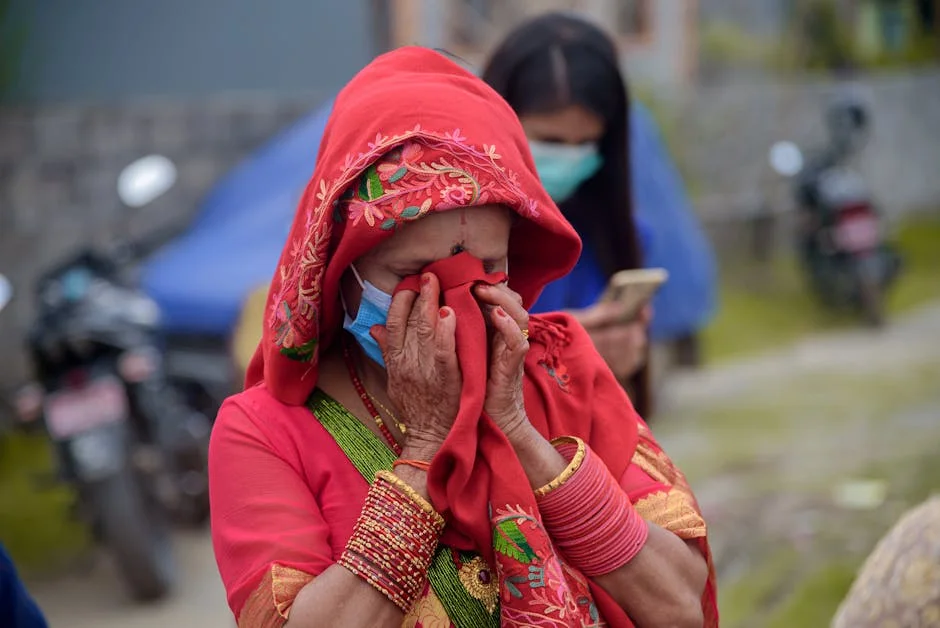
This distinction matters more than patients often realise. Studies cited in Cheung's analysis suggest that patients who adopt an active, hope-oriented Coping strategy report lower rates of anxiety and depression during treatment. Fewer mental health complications translate directly into reduced demand for psychiatric services and medication, both of which carry significant costs for Hong Kong's public hospitals already operating near capacity.
Economic Stakes for Hong Kong's Healthcare Sector

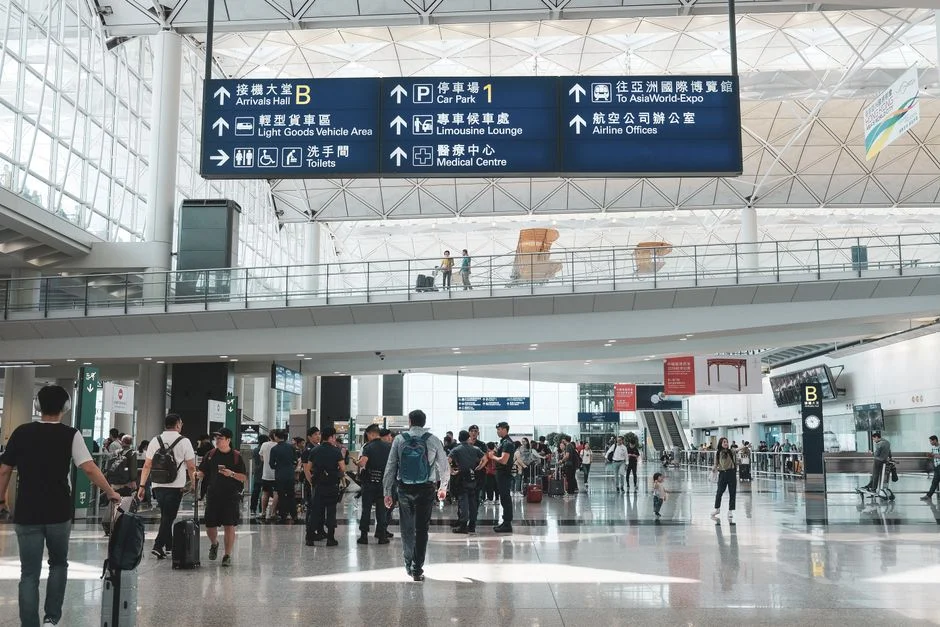
Hong Kong's healthcare system faces mounting pressure from an ageing population and rising cancer incidence rates. The Hospital Authority allocated substantial resources to oncology services last year, but budget constraints mean that investments in patient psychological support remain limited compared to spending on chemotherapy, radiotherapy, and surgical interventions.
The Health Matters analysis argues this imbalance may be economically shortsighted. When patients develop clinical depression alongside cancer, healthcare costs rise sharply. Hospital stays lengthen. Medication regimens become more complex. Family caregivers, many of whom are in the workforce, reduce their hours or leave their jobs entirely, creating secondary economic losses that rarely appear in hospital balance sheets.
Insurance Industry Takes Notice
Private insurers operating in Hong Kong have begun tracking the link between patient mindset and claims costs. Several major providers have started offering access to counselling services and wellness programmes as part of cancer coverage packages, recognising that supporting mental resilience may reduce long-term payout exposure.
This represents a subtle but meaningful shift in how the insurance industry conceptualises risk. Traditional models focused on tumour characteristics and treatment protocols. The emerging approach incorporates psychosocial factors, acknowledging that two patients with identical diagnoses may follow vastly different clinical trajectories depending on their emotional resources and coping strategies.
What Employers Stand to Gain
The economic ripple effects extend beyond hospitals and insurance premiums. Hong Kong's labour market loses substantial productivity each year to cancer-related absenteeism and premature workforce exit. Employees who receive adequate psychological support during treatment tend to maintain stronger connections to their workplaces, even if they cannot resume full duties immediately.
Corporate wellness programmes in the city have increasingly incorporated mental health resources, but coverage for cancer patients specifically remains uneven. Companies that invest in comprehensive support packages may find themselves with a competitive advantage in retaining experienced staff during what would otherwise be career-ending health crises.
The Broader Healthcare Investment Question
Cheung's analysis arrives at a timely moment. Hong Kong's government is reviewing its cancer care strategy, and policymakers are weighing investments in everything from early screening programmes to cutting-edge therapeutics. The question of whether psychological support should receive more funding sits awkwardly within these conversations, which tend to privilege high-profile medical technologies over less glamorous interventions like counselling and support groups.
Yet the economic logic is difficult to dismiss. If mindset interventions can shorten recovery times, reduce complication rates, and keep patients productively engaged with work and family life, the return on investment could rival that of expensive biomedical innovations. The challenge lies in measuring outcomes that are inherently difficult to quantify.
Pathways Forward for Patients and Systems
Not every patient finds it easy to adopt the kind of mindset shift that Hui Yuen described. Psychological resilience varies widely, and cultural factors shape how individuals in Hong Kong process serious illness. Some patients face language barriers when seeking mental health support. Others live alone without family networks to draw upon during treatment.
These gaps suggest that individual mindset shifts, while valuable, cannot substitute for systemic changes in how Hong Kong's healthcare system addresses the emotional dimensions of cancer care. Cheung's analysis stops short of prescribing specific policy changes, but the implications are clear: a healthcare system that invests only in tumour removal while neglecting the person carrying the tumour may be paying twice for the same patient outcome.
What comes next will depend on how successfully researchers communicate the economic case for psychosocial support, and whether hospital administrators and budget officials can look beyond immediate treatment costs to the longer arc of patient recovery. For patients like Hui Yuen, the hope she found was deeply personal. For the system treating her, it may represent something more: an underutilised tool for reducing costs while improving lives.
See Also
- Ibersol Cuts Quarterly Losses as Revenue Surges Amid Inflation Woes
- Hong Kong Launches Blood Test That Aims to Replace Painful Cancer Biopsies