New South Wales authorities confirmed Wednesday that the vital Blue Mountains highway will remain closed for an additional 12 months as construction crews begin work on a new bridge at Victoria Pass. The extended closure, initially expected to last six months, now pushes reopening into late 2026, disrupting one of Australia's most critical freight corridors connecting Sydney to the western interior.
Construction Timeline and Scope
Transport for NSW officials outlined detailed bridge plans during a media briefing in Sydney, revealing that the Victoria Pass structure requires complete reconstruction to meet current safety standards. The original crossing, built during the 1950s, has deteriorated beyond repair after decades of heavy vehicle traffic and exposure to mountain weather conditions. Engineering assessments conducted over the past 18 months determined that the existing infrastructure posed unacceptable risks to commuters.
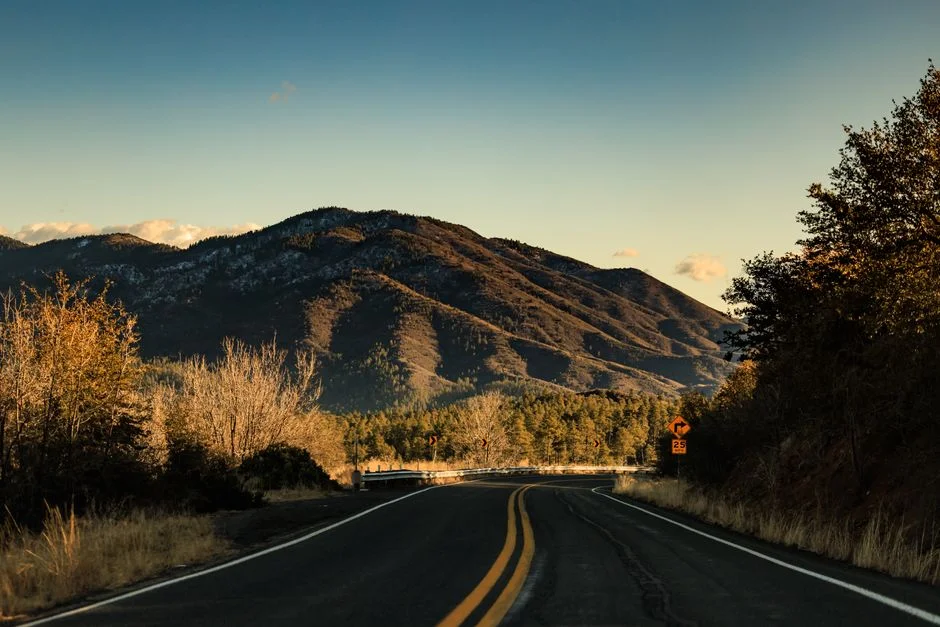
The new bridge will span 180 metres across the Pass, featuring reinforced concrete supports and expanded traffic lanes designed to accommodate projected growth in regional freight movement. Construction crews have already mobilised at the site, with heavy machinery arriving last month. Project managers expect foundation work to continue through the winter season before major superstructure installation begins next spring.
Economic Consequences for Businesses

Australian Industry Group chief executive Innes Willox told local media that the prolonged closure creates significant operational headaches for manufacturers and retailers relying on just-in-time delivery schedules. The Blue Mountains corridor handles an estimated $2.3 billion in annual freight value, with supermarkets, automotive parts suppliers, and construction materials companies among the most exposed sectors. Logistics firms have already announced surcharges ranging from 15 to 25 percent to cover extended routing costs through the Great Western Highway alternatives.
Small businesses in towns along the detour routes report mounting pressures as additional traffic strains local road infrastructure. Katoomba and Lithgow traders have formed a collective to lobby authorities for compensation, arguing that reduced foot traffic from through-traffic commuters compounds their pandemic-era debt burdens. The Lithgow Valley Chamber of Commerce estimates local retail turnover has already dropped 12 percent since the initial closure began.
Supply Chain Reconfiguration
Major retailers have begun restructuring their distribution networks to minimise exposure to the closure. Woolworths confirmed it has established temporary regional distribution hubs in Bathurst and Orange, allowing goods to reach stores without transiting the Blue Mountains entirely. Coles announced similar arrangements, though company spokesperson Todd Burns acknowledged that reconfigured routes add two to three days to standard delivery windows for western New South Wales stores.
Automotive manufacturers face particular challenges. Toyota Australia's Altona plant depends on daily component deliveries from suppliers in Bathurst and Mudgee, many of which previously relied on the Victoria Pass route. The company has invested in additional warehouse capacity at its Melbourne facility to buffer against potential disruptions, a cost executives estimate at $8 million annually.
Investment Implications
Market analysts note that infrastructure constraints in the Blue Mountains region could temper investor enthusiasm for western New South Wales development projects. Property developers with land holdings in the Central West have seen share prices drift lower over the past quarter as analysts factor in elevated logistics costs. Magellan Infrastructure Fund portfolio manager Kanishka Verghese observed that transport bottlenecks historically correlate with reduced commercial property valuations in affected regions.
The closure may accelerate interest in alternative logistics solutions, including expanded rail services. Aurizon Holdings, Australia's largest rail freight operator, reported a 30 percent surge in enquiries from companies seeking to shift volume from road to rail during the extended closure period. Company executives confirmed they are evaluating capacity expansions on the Blue Mountains railway line, though infrastructure limitations currently restrict growth potential.
Tourism Sector Pressures
Blue Mountains tourism operators face a complicated recovery landscape. While the highway closure eliminates drive-market visitors from Sydney, some operators report unexpected increases in day-trippers using the Great Western Highway alternative route. Scenic World Katoomba general manager reported that visitor numbers through its rainforest canyon attraction have remained stable, suggesting consumers adapt travel habits when motivated by popular destinations.
However, adventure tourism operators catering to international visitors express deeper concerns. Australian tourism research indicates that approximately 40 percent of international visitors to the Blue Mountains arrive as part of packaged day tours from Sydney. Extended highway closures may encourage tour operators to reduce Blue Mountains offerings or redirect visitors to alternative destinations in the Southern Highlands or Hunter Valley, potentially causing lasting damage to regional tourism's competitive position.
Infrastructure Investment Outlook
The extended closure shines a spotlight on decades of underinvestment in Blue Mountains transport infrastructure. successive state governments have deferred major works on the Victoria Pass crossing, citing budget constraints and competing priorities. Critics argue the deferral pattern reflects urban political priorities overwhelming regional needs, a dynamic that may intensify as the economic costs of inaction become more visible.
Infrastructure Australia has flagged the Great Western Highway corridor as a priority project requiring federal support. The agency estimates that completing full duplication of the highway between Katoomba and Bathurst would require $4.8 billion over 15 years, an investment that proponents argue would unlock economic potential across the Central West while providing resilience against future disruptions. Federal Infrastructure Minister Catherine King indicated in parliamentary remarks that her department is reviewing the classification.
What Comes Next
Transport for NSW has scheduled community information sessions in Katoomba, Lithgow, and Bathurst throughout March, where residents can review detailed construction timelines and provide feedback on mitigation measures. The government has committed to establishing a monitoring dashboard tracking freight volumes, travel times, and business impacts, with quarterly public reports.
Businesses should watch for potential federal funding announcements in the May budget, where infrastructure spending traditionally receives significant attention. Industry groups are coordinating a joint submission to the NSW Legislative Council arguing for accelerated investment in alternative routes, particularly the Bells Line of Road, which could provide partial redundancy for Blue Mountains freight and passenger movement. Whether politicians respond before the next electoral cycle remains uncertain, but the pressure from affected industries shows no signs of easing.
See Also
- Isadora Neves Marques Reveals How Responsibility Reshapes Markets
- Sentosa Death Triggers Urgent Review of Island's Economic Resilience
Scenic World Katoomba general manager reported that visitor numbers through its rainforest canyon attraction have remained stable, suggesting consumers adapt travel habits when motivated by popular destinations.However, adventure tourism operators catering to international visitors express deeper concerns. Critics argue the deferral pattern reflects urban political priorities overwhelming regional needs, a dynamic that may intensify as the economic costs of inaction become more visible.Infrastructure Australia has flagged the Great Western Highway corridor as a priority project requiring federal support.