Australia's most ridiculed political figure has pulled off a remarkable turnaround, overtaking the prime minister in approval ratings for the first time, according to polls released this week. The surge has left political observers scrambling for explanations while sending ripples through economic circles in Singapore and across the Asia-Pacific region.
A Sudden Shift in Political Fortunes
The politician, who previously served as a punching bag for late-night comedy shows and newspaper cartoonists, now commands support levels that would have seemed impossible twelve months ago. Polling data shows approval ratings climbing steadily since the middle of last year, with acceleration in recent weeks that has surprised even internal allies.

In Sydney, political analysts point to several factors driving the unexpected popularity. Economic anxieties have pushed voters toward figures who challenge mainstream political assumptions. The politician's blunt style, once viewed as a liability, now resonates with Australians exhausted by carefully scripted political messaging.
What Singapore Businesses Are Watching
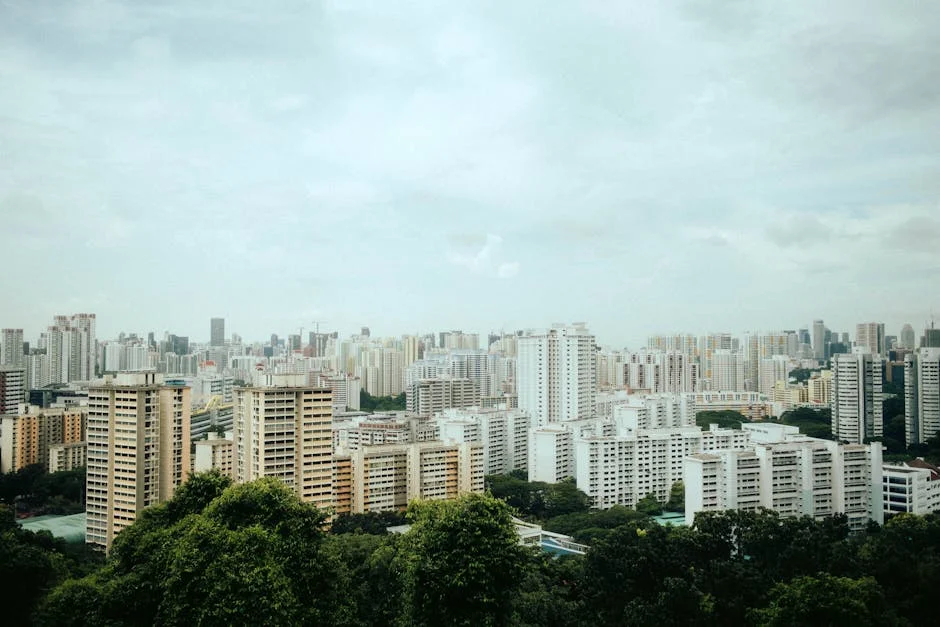

For Singapore companies with exposure to Australian markets, the political shift raises practical questions. Australia remains one of Singapore's largest trading partners, with bilateral goods and services trade exceeding S$30 billion annually. Any change in Canberra's policy direction could affect everything from financial services regulations to infrastructure investment priorities.
Singapore investors hold significant stakes in Australian real estate, resource companies, and financial institutions. The prospect of a political figure known for populist economic positions gaining influence has prompted quiet reassessments in boardrooms across the city-state. Fund managers have begun reviewing their Australian exposure, though most remain cautious about overreacting to polling swings.
Trade Relationship Implications
The Australia-Singapore Free Trade Agreement, which came into force in 2003, remains a cornerstone of bilateral economic ties. Trade specialists note that major treaty changes typically require broad parliamentary support, limiting the impact of any single politician's preferences. However, shifts in rhetoric and regulatory attitudes can matter as much as formal policy in shaping business conditions.
Australian businesses operating in Singapore have watched the developments with particular interest. Several executives at companies in the Marina Bay financial district declined to comment publicly, citing the sensitivity of political assessments.
Market Reactions and Investor Sentiment
Financial markets have shown limited immediate reaction to the polling shifts, though some analysts note that Australian dollar volatility has increased slightly in recent sessions. The Australian Securities Exchange has seen modest trading volumes as investors process the evolving political landscape.
Currency strategists in Singapore are monitoring the situation closely. If the politician's rise translates into policy changes affecting Australian interest rates or spending plans, ripple effects could reach Singapore dollar exchange rates and regional bond markets.
The Economic Discontent Driving the Shift
The politician's sudden popularity did not emerge from nowhere. Australia has faced growing frustration over housing affordability, particularly in Melbourne and Sydney, where property prices have put homeownership beyond reach for many young voters. Wages growth has remained sluggish despite a recovering labour market, and energy costs have climbed steadily.
These economic pressures have created space for politicians willing to offer simple explanations and direct criticism of establishment figures. The politician in question has capitalised on this mood, positioning economic grievances as the result of elite failures rather than complex structural factors.
What Happens Next
Australian political analysts caution against reading too much into any single set of polls. Political fortunes can shift quickly, and the path from high approval ratings to electoral success involves many steps. The next federal election remains years away, giving plenty of time for circumstances to change.
Yet the current dynamic has unsettled calculations in both major parties. Party strategists are studying the polling data to understand what messages resonate with voters who have moved away from mainstream options. Internal party debates about policy direction and political tone have intensified as a result.
For Singapore watchers, the coming months will determine whether this represents a lasting shift or a temporary phenomenon. Australian federal by-elections scheduled for later this year could provide an early test of the politician's organizational strength. Economic data releases, particularly inflation figures and employment numbers, will likely influence whether voters maintain their new enthusiasm or drift back toward established parties.
The broader question extends beyond Australia. Populist political movements have disrupted economic policymaking in numerous countries, and Singapore's open economy leaves it vulnerable to external shifts. How Canberra's political landscape evolves could matter as much for Singapore investors as domestic fiscal policy.
See Also
- Proteas Unite Ahead of Women's T20 World Cup — Spark for Local Investment
- China's Coal Mine Explosion Triggers Safety Reassessments and Market Fears
If the politician's rise translates into policy changes affecting Australian interest rates or spending plans, ripple effects could reach Singapore dollar exchange rates and regional bond markets.The Economic Discontent Driving the ShiftThe politician's sudden popularity did not emerge from nowhere. Wages growth has remained sluggish despite a recovering labour market, and energy costs have climbed steadily.These economic pressures have created space for politicians willing to offer simple explanations and direct criticism of establishment figures.