China’s annual marriage registrations have plummeted to their lowest level in ten years, signaling a structural shift that threatens to upend the nation’s economic engine. The latest data from the Ministry of Civil Affairs reveals a sharp decline in unions, moving beyond a social trend to become a pressing financial risk for investors and businesses. This demographic contraction directly impacts key sectors such as real estate, consumer goods, and financial services, which have long relied on the steady influx of new households to drive growth.
The Scale of the Demographic Shift
The numbers tell a stark story of changing priorities and economic pressures. Marriage registrations in China dropped by nearly 7% in the most recent reporting year, continuing a downward trajectory that began more than a decade ago. This decline is not merely a statistical blip but a fundamental restructuring of the Chinese family unit, with profound implications for the labor market and consumer base. The speed at which couples are tying the knot is slowing, with the average age of first-time brides and grooms pushing closer to 30 in major urban centers.
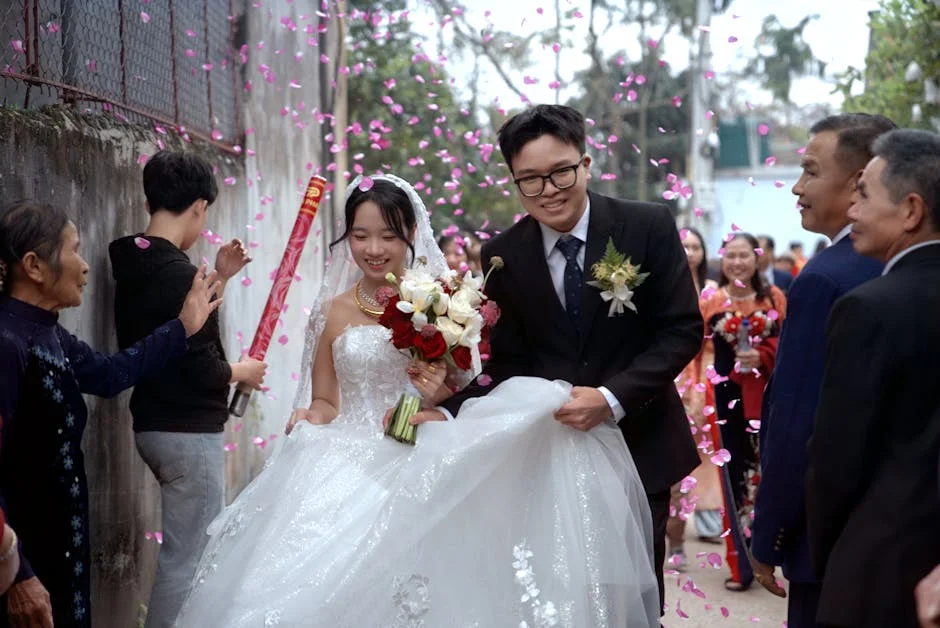
Beijing officials have acknowledged the trend, noting that the decline is driven by a combination of high living costs, intense workplace competition, and shifting cultural values among younger generations. The government has introduced various incentives, including housing subsidies and tax breaks, to encourage unions, but the response has been muted. Investors are now closely monitoring these figures, as they serve as a leading indicator of future household formation and spending patterns. The data suggests that the traditional model of rapid urbanization and household creation is reaching a saturation point.
Real Estate Faces a Structural Headache


The property sector, which accounts for a significant portion of China’s GDP, is particularly vulnerable to the marriage slump. Historically, buying a home was a prerequisite for marriage in China, creating a reliable demand pipeline for developers. With fewer couples entering the market, the volume of transactions for entry-level and mid-range properties is contracting. Developers in tier-one cities like Shanghai and Shenzhen are already seeing a softening in demand for apartments sized for young families, forcing them to adjust pricing strategies and inventory levels.
This shift forces a re-evaluation of investment theses for Chinese real estate investment trusts (REITs) and major developers. The assumption that household formation would continue to drive property demand is no longer as robust as it was five years ago. Investors must now consider that the peak of the property boom may have been closely tied to the peak of marriage rates. As the number of new households slows, the rental market may gain relative importance, but the capital appreciation potential for residential properties could diminish. This structural change requires businesses to pivot towards quality over quantity in their housing offerings.
Impact on Mortgage Lending and Bank Profits
Banks, which have long relied on mortgage lending as a stable source of profit, are feeling the pressure. A decline in marriages leads to fewer mortgage applications, which can slow down the growth of loan books. Financial institutions in China are beginning to diversify their lending portfolios to compensate for the slowing growth in residential mortgages. This shift may lead to increased competition in commercial real estate lending and consumer credit, potentially affecting interest rates and credit availability for businesses. The ripple effects extend to the broader financial system, influencing liquidity and investment returns for shareholders.
Consumer Spending and the Retail Sector
The retail industry is also bracing for a change in consumer behavior. Marriages typically trigger a surge in spending on furniture, appliances, jewelry, and automobiles. With fewer weddings, the volume of these purchases is expected to decline, impacting major retailers and manufacturers. Companies that have built their marketing strategies around the "wedding season" are now forced to innovate, targeting single professionals and dual-income couples without children. This demographic segment has different spending habits, often prioritizing experiences and convenience over traditional assets.
Brands need to adapt their product lines and marketing messages to resonate with this new reality. The rise of the "DINK" (Double Income, No Kids) lifestyle is becoming more pronounced, influencing everything from car sizes to vacation destinations. Businesses that fail to recognize this shift risk losing market share to more agile competitors. The economic consequence is a potential slowdown in consumer spending growth, which is a key driver of China’s efforts to transition from an export-led economy to a consumption-driven one. Investors should watch for earnings reports from major retail chains and consumer goods companies for early signals of this transition.
Workforce Dynamics and Labor Costs
The decline in marriages is also linked to a broader trend of delayed childbirth, which has direct implications for the labor market. Fewer marriages mean fewer births, leading to a shrinking workforce in the coming decades. This demographic contraction puts upward pressure on wages, as employers compete for a smaller pool of workers. For manufacturing hubs in Guangdong and Jiangsu provinces, rising labor costs could erode the competitive advantage that has long attracted foreign direct investment. Companies may need to accelerate automation and digital transformation to maintain profitability.
Investors in Chinese manufacturing and export-oriented sectors must factor in these rising labor costs when evaluating valuations. The traditional model of low-cost production is becoming less viable, forcing a strategic shift towards higher value-added products and services. This transition requires capital expenditure and innovation, which can impact short-term earnings but is essential for long-term growth. The labor market dynamics also influence government policy, with Beijing likely to introduce further incentives to boost fertility rates and stabilize the workforce. These policy moves will create opportunities for businesses in healthcare, education, and childcare services.
Investment Strategies for the New Reality
For investors, the marriage data serves as a crucial metric for assessing long-term economic trends. It highlights the need to diversify portfolios beyond traditional growth drivers like property and manufacturing. Sectors that benefit from an aging population and changing family structures, such as healthcare, insurance, and leisure, may offer more resilient growth prospects. Investors should also consider the impact of demographic shifts on regional economies, as cities with younger populations may outperform those with aging demographics. This requires a granular analysis of local market conditions and policy interventions.
Businesses must be agile and responsive to these demographic changes. Companies that can adapt their products and services to meet the needs of a changing society will be better positioned to capture market share. This includes developing new business models, leveraging technology, and enhancing customer experience. The economic landscape in China is evolving rapidly, and those who fail to recognize the significance of the marriage decline risk being left behind. Strategic planning must incorporate demographic data to anticipate future demand and supply dynamics.
Policy Responses and Future Outlook
The Chinese government is aware of the economic risks posed by the demographic shift and is likely to introduce more aggressive policies to stimulate marriage and childbirth. These may include financial incentives, flexible working arrangements, and improved childcare infrastructure. Investors should monitor policy announcements from the Ministry of Civil Affairs and the National Bureau of Statistics for clues on the direction of economic policy. The effectiveness of these measures will depend on their ability to address the underlying economic and social pressures facing young couples. Success or failure will have significant implications for the Chinese economy and global markets.
Looking ahead, the marriage trend is expected to continue its downward trajectory, at least in the short to medium term. This will require ongoing adjustments by businesses and investors to align with the new demographic reality. The key will be to identify sectors and companies that can thrive in a slower-growing, more mature market environment. Watch for upcoming policy updates from Beijing and quarterly earnings reports from major Chinese corporations for further insights into how this demographic shift is shaping the economic landscape. The next six months will be critical in determining the long-term impact of this trend on market valuations and consumer behavior.
See Also
- Smith Dominates as New Zealand Thrashes Ireland in Belfast Test
- Lottie Woad Claims Second LPGA Tour Title — Impacts South Korea's Golf Market