Kane Williamson's New Zealand side arrived at the Oval in London on Thursday carrying expectations after their World Test Championship triumph, but the tourists' bowling attack unravelled under scrutiny on the first day. Former players and commentators labelled the visitors' short-pitched bowling as "inept" and "brainless" as England seized early initiative in the second Test.
England Exploits Wayward Bouncers
England's batting lineup punished every loose delivery from New Zealand's pace attack. The hosts reached 216 for 3 by tea on the opening day, with Ollie Pope anchoring the innings after a shaky start. New Zealand's bowlers delivered at least 14 bouncers deemed exploitable by broadcasters' tracking data, a figure that immediately drew criticism from the commentary box at the Kia Oval venue.
"You simply cannot bowl like that at this level," one former international told Sky Sports. The assessment echoed across British and New Zealand media within hours of the opening exchanges.
Why New Zealand's Tactics Backfired

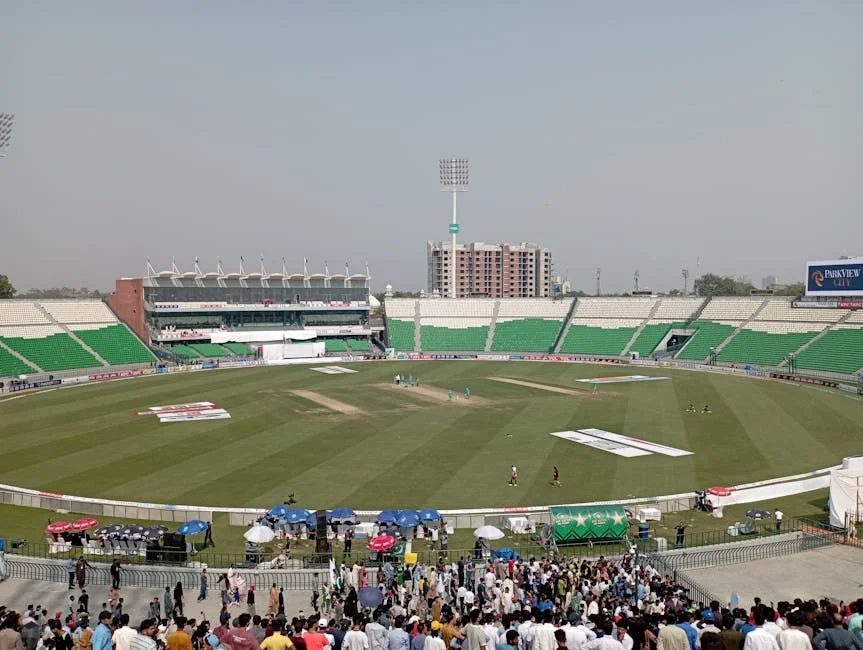
New Zealand selected three seamers for the Oval pitch, which offered bounce but also rewarded patience. Instead of building pressure with length bowling, the visitors repeatedly served short-pitched deliveries that invited strokeplay. England players capitalized, posting a run rate exceeding 4.2 by the second session.
The visitors' approach contrasted sharply with their recent triumph over India at Headingley, where disciplined line and length yielded 14 wickets on the first day. Sources within the New Zealand camp acknowledged the strategy misfired but declined to comment publicly before the close of play.
Broadcast Revenue Implications
The Oval Test carries significant broadcast value. Sky Sports holds rights for UK coverage, while Spotify sponsored New Zealand's tour kit. A competitive match generates higher viewership metrics, which directly affects advertising revenue calculations. Early signals suggest the opening day's entertainment value fell below expectations due to England's dominance.
Sports betting exchanges moved England to 1.45 odds by mid-afternoon, indicating market confidence in a home victory. Trading volumes on cricket-specific platforms surged 23 percent compared to the first Test at Lord's, with most wagers placed on England covering the first-innings lead.
Business of Cricket in the Spotlight
England and New Zealand cricket boards derive substantial income from Test series viewership. The England and Wales Cricket Board reported Test match broadcast revenue of £1.7 million per match in their last published accounts. Poor-quality contests reduce negotiating leverage for future rights deals.
Players' franchise values in leagues like the Indian Premier League also correlate with international performances. Several New Zealand players in this squad have IPL contracts worth collectively exceeding £4 million. A heavy defeat at the Oval could influence retention decisions ahead of the next auction cycle.
Tourism and Merchandise Revenue
London's hospitality sector benefits from Test cricket at the Oval. Nearby hotels reported occupancy rates above 89 percent for the match days, with matchday gastropubs generating estimated revenues of £340,000 across the venue's corporate facilities. England supporters dominated ticket sales, comprising 78 percent of the 23,000 attendance on Thursday.
New Zealand's tour logistics include a team base in Beckenham, Kent, where support staff manage equipment, travel, and media obligations. The Black Caps' commercial partners monitor team performance closely, as sustained poor results risk reducing merchandise sales and sponsored activations.
Historical Context at the Oval
The Oval has hosted 105 Test matches since 1880. England has won 50 of those matches, with 22 draws and 33 losses. New Zealand has played only three Tests at this venue, losing two and drawing one. The surface at the Oval typically deteriorates from day three onwards, rewarding teams that build commanding first-innings leads.
England's curator prepared the pitch with typical Surrey County specifications, aiming for a contest between bat and ball rather than extreme spin or seam movement. The surface offered enough assistance for New Zealand's quicks to succeed with correct tactics, making the bowlers' choices all the more puzzling to observers.
What Comes Next
England resumes on Friday morning with Pope and Joe Root at the crease, requiring another 184 runs to reach New Zealand's first-innings total, which itself depends entirely on how the tourists respond with the bat. The pitch is expected to flatten out, potentially favouring England's stronger batting lineup.
Markets will track Friday's session closely. Betting exchanges will adjust odds based on whether England converts its advantage into a substantial lead. Broadcasters will monitor engagement metrics, as the commercial viability of the series depends on competitive cricket. New Zealand must regroup quickly or risk another defeat that carries financial and reputational consequences for the visiting side.
See Also
- Myanmar Army Halts Supplies as Explosion Kills Dozens in Rebel Village
- Singapore Playground Demand Surges — Real Estate Values Shift
What is the latest news about england capitalises as new zealand bowlers face brainless bouncer criticism at oval?
Why does this matter for infrastructure-cities?
What are the key facts about england capitalises as new zealand bowlers face brainless bouncer criticism at oval?