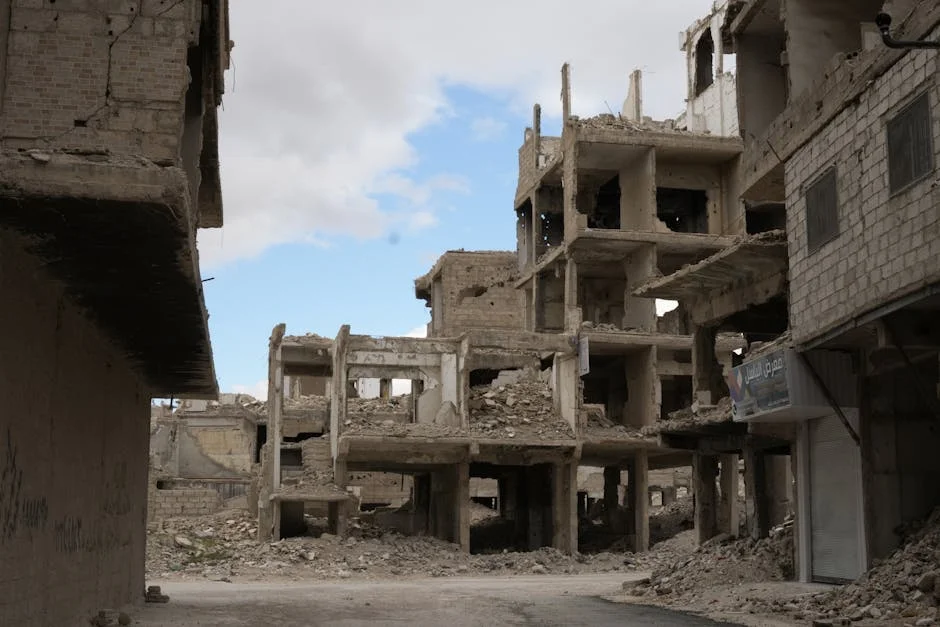
An explosion destroyed a village held by rebels in Myanmar's eastern Kayah State on Tuesday, resulting in the deaths of at least 50 people and injuring many more. The blast, attributed to artillery fire from the military, devastated homes and critical infrastructure, exacerbating the already dire humanitarian situation in the area.
Impact on Humanitarian Aid
The explosion has severely disrupted humanitarian efforts in Kayah State, where residents are already facing food shortages and lack of medical services. According to a local NGO, the region has been struggling with an influx of internally displaced persons, which has increased pressure on limited resources. The United Nations estimated that nearly 1.5 million people are now in need of assistance in Myanmar.
With access to the affected areas restricted, aid organisations are finding it increasingly difficult to deliver supplies. Local health centres, already overwhelmed, are now incapable of handling the surge in casualties resulting from the explosion.
Economic Ramifications for Myanmar

This escalation of violence further destabilises Myanmar's economy, which has been in freefall since the military coup in February 2021. The World Bank has projected that Myanmar's GDP could shrink by 18% in 2021 alone, with ongoing conflicts driving away foreign investments and crippling local businesses.
Manufacturing and exports from Myanmar have already faced serious setbacks due to the political climate and ongoing civil war. The recent explosion is likely to lead to a further decline in investor confidence, especially among firms looking to enter or expand in the region.
Regional Responses and Market Effects
As the situation in Myanmar worsens, neighbouring countries are becoming increasingly concerned about the potential spillover effects. Thailand and India, which share extensive borders with Myanmar, are preparing for a possible influx of refugees. This could prompt tighter border controls and lead to disruptions in cross-border trade, affecting markets in both countries.
The financial markets have shown signs of volatility as the crisis deepens. The Myanmar kyat has depreciated significantly against the US dollar, prompting fears of inflation and increased import costs. Investors are now weighing the risks associated with Myanmar’s unstable political landscape, which could lead to a greater flight of capital.
Investor Considerations
Investors should prepare for heightened volatility in Southeast Asian markets, particularly in sectors linked to Myanmar. Companies involved in resources, textiles, and agriculture might see supply chain disruptions resulting from the ongoing humanitarian crisis.
Furthermore, firms with interests in Myanmar may need to reconsider their risk management strategies to account for not only the immediate fallout from the explosion but also the longer-term implications of a fractured political and economic environment.
Looking Forward: What to Watch
As the situation develops, it is crucial for investors and stakeholders to monitor international responses and the potential for sanctions against the Myanmar military. Additionally, humanitarian agencies will likely appeal for increased funding to address the immediate needs of those affected by the explosion.
Upcoming reports from the UN and local NGOs will provide further insight into the humanitarian crisis. Investors should also keep an eye on the kyat's stability, as its fluctuating value could significantly impact trade and economic forecasts for Myanmar and the surrounding region.
See Also
- Reble's Rise Signals India's Booming Music Market
- US Inflation Surges — Wall Street Reels as Rate Hikes Loom
The Myanmar kyat has depreciated significantly against the US dollar, prompting fears of inflation and increased import costs. Investors should also keep an eye on the kyat's stability, as its fluctuating value could significantly impact trade and economic forecasts for Myanmar and the surrounding region.
What is the latest news about myanmar army halts supplies as explosion kills dozens in rebel village?
Why does this matter for infrastructure-cities?
What are the key facts about myanmar army halts supplies as explosion kills dozens in rebel village?