China's State Council announced plans to expand the nation's nuclear power capacity to 180 gigawatts by 2035, a near-tripling of current output that sent uranium futures climbing 4.2% on Asian markets Thursday. The announcement, covered in the latest episode of the technology podcast The Download, marks a decisive shift in Beijing's energy strategy and signals mounting competition in the global nuclear sector.
Beijing's Nuclear Ambitions Take Shape
The State Council's roadmap targets the construction of 70 to 80 new reactors over the next decade, with construction already underway at facilities across Guangdong, Zhejiang, and Fujian provinces. Officials confirmed the plan prioritises indigenously-designed Hualong One reactors alongside advanced third-generation units from state-owned China General Nuclear Power.
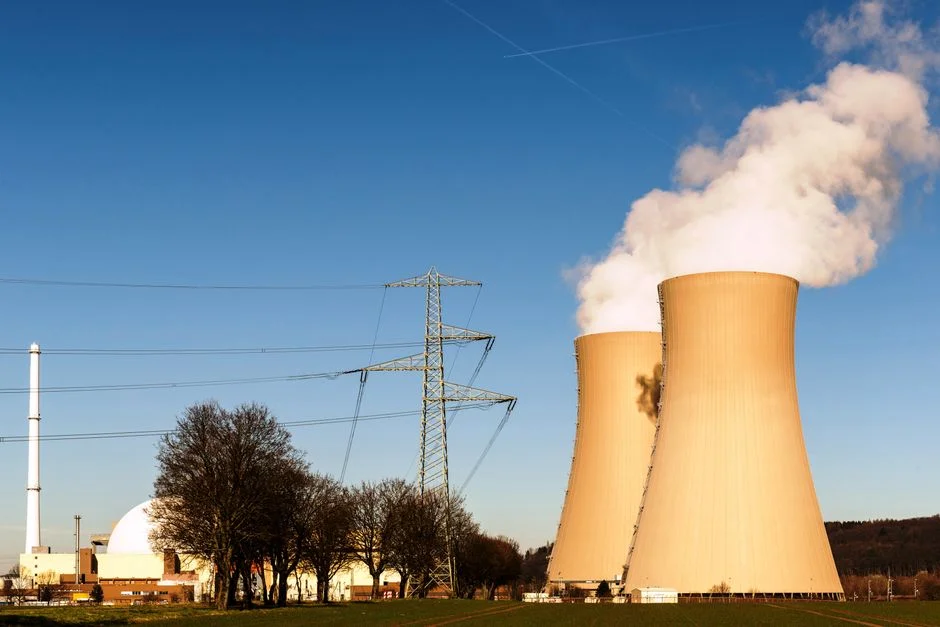
The timing reflects Beijing's drive for energy self-sufficiency and its commitment to reducing reliance on coal. Nuclear power currently accounts for roughly 5% of China's electricity generation, a share the government aims to expand to 10% by 2030 before reaching the 2035 target.
Market Implications for Uranium and Nuclear Suppliers
For investors, the implications stretch far beyond China's borders. Kazatomprom, the Kazakh uranium producer that supplies roughly 40% of global conversion services, saw its London-listed shares rise 3.8% following the announcement. Canadian miner Cameco and Australian supplier Boss Energy both recorded gains exceeding 2% in early trading.
commodity traders noted that spot uranium prices, currently hovering around $91 per pound, face sustained upward pressure as Chinese demand growth outpaces projected supply additions from traditional mining regions.
Financing the Expansion


State-backed lenders including China Development Bank and Export-Import Bank of China have been tapped to finance much of the construction pipeline. The China Nuclear Industry Association estimates the programme could require investment of approximately 2 trillion yuan across the supply chain.
Western nuclear technology firms are watching closely. EDF of France and Westinghouse of the United States have existing technology-sharing agreements with Chinese partners, though geopolitical tensions may limit deeper commercial ties. South Korea's Hyundai Engineering and Construction, already active in regional infrastructure projects, could pursue subcontracting opportunities in reactor components.
Soccer's Data Renaissance: The Other Story on The Download
The Download episode also examined how professional football clubs are deploying sophisticated data analytics to gain competitive advantages on and off the pitch. European leagues have seen a wave of investment in performance-tracking systems, with Premier League clubs collectively spending an estimated 400 million pounds annually on data infrastructure by 2024.
Sports analytics firms like Stats Perform and Second Spectrum have attracted significant venture capital backing as clubs seek better player evaluation tools. Transfer market valuations now routinely incorporate expected goals metrics, physical workload data, and injury prediction models.
Commercial Opportunities in Sports Data
The economic angle extends to broadcasting and sports betting markets. Broadcasters increasingly demand granular performance data to enhance viewer engagement, while licensed betting operators in Singapore and across Southeast Asia rely on analytics providers for real-time odds calculation.
Singapore's own Singapore Premier League has begun piloting player tracking technology in partnership with local sports tech startup Sportopia, reflecting broader regional adoption of data-driven football management.
Overlapping Investment Themes
Both storylines converge on a common theme for investors: infrastructure and technology companies positioned to benefit from long-term secular trends. Nuclear power requires advanced materials, precision engineering, and construction expertise. Sports analytics depends on sensor technology, cloud computing, and artificial intelligence capabilities.
For Singapore-based investors, the China nuclear story creates indirect exposure through companies in the uranium supply chain and nuclear services sector listed on the Singapore Exchange. The sports data narrative points toward opportunities in regional technology firms serving the Asian sports market, projected to grow at 12% annually through 2028.
What Comes Next
The State Council is expected to finalise the nuclear expansion framework by the end of the current quarter, with construction permits for the first batch of new reactors likely by mid-2025. Uranium market participants will watch inventory levels at conversion facilities closely as demand signals from China intensify.
The Download's next episode, scheduled for release next Thursday, will explore artificial intelligence applications in logistics and supply chain management. Subscribers can access the full episode through major podcast platforms including Spotify and Apple Podcasts.
See Also
- Robinson Claims Five Wickets on England Test Return at Lord's
- China Expands Security Reach in Pacific Village — What This Means for Singapore
What is the latest news about china unveils plan to triple nuclear capacity by 2035 markets react?
Why does this matter for education?
What are the key facts about china unveils plan to triple nuclear capacity by 2035 markets react?