The European Union has formally announced a new strategic framework that distances Brussels from both Washington and Beijing, signaling a major shift in global trade dynamics. This move comes despite recent diplomatic warmth with the United States and growing economic interdependence with China, creating immediate uncertainty for multinational corporations. Markets in London, Frankfurt, and Singapore reacted swiftly to the announcement, with currency fluctuations and stock adjustments reflecting investor caution.
Brussels Charts a Third Path in Global Trade
European Commission officials outlined the new policy during a press conference in Strasbourg on Tuesday. The strategy aims to reduce the bloc's reliance on American technology exports and Chinese manufactured goods. This dual-pronged approach seeks to strengthen European industrial sovereignty while maintaining diplomatic ties with both superpowers. The announcement marks a departure from the traditional transatlantic alliance that has dominated post-war economic policy.
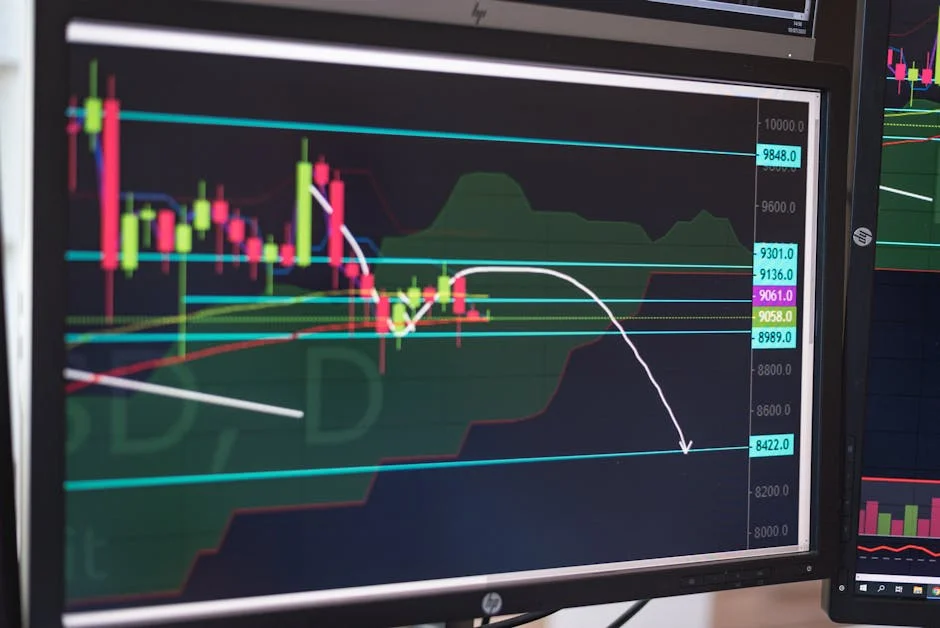
Investors are closely monitoring how this shift will impact supply chains across Europe. Companies that have heavily invested in US tech infrastructure may face new regulatory hurdles. Similarly, businesses relying on Chinese manufacturing for cost efficiency might encounter tariffs or quality control measures. The European Central Bank has noted that this policy could lead to short-term inflationary pressure as prices adjust to new trade realities.
Trade ministers from the 27 member states have been tasked with implementing the new framework over the next six months. This timeline suggests a gradual rollout rather than a sudden shock to the market. However, the speed of implementation will depend on political consensus within the European Parliament. Any delays could prolong uncertainty for businesses operating in the single market.
Impact on US-EU Economic Ties


The relationship between the US and EU has been characterized by a "love fest" in recent months, with high-level meetings focusing on shared democratic values and economic cooperation. However, the new EU strategy introduces friction points that could complicate these ties. American technology giants, including Apple and Microsoft, may face stricter data privacy rules and anti-trust investigations under the new framework. These regulatory changes could affect their revenue streams in the European market, which accounts for a significant portion of their global profits.
US investors are concerned about the potential for new tariffs on European agricultural and luxury goods. The European Union has hinted at using its agricultural sector as a lever in trade negotiations. This could lead to a trade war that mirrors the US-China tensions of the early 2020s. Financial analysts in New York are warning that such a conflict could dampen growth in both economies, affecting stock market performance and consumer confidence.
Regulatory Hurdles for American Tech Firms
One of the key components of the new strategy is the Digital Markets Act, which targets large American tech companies. The act aims to create a level playing field for European startups and reduce the dominance of US firms. This could lead to increased compliance costs for companies like Google and Amazon, potentially reducing their profitability in Europe. Investors in the technology sector should watch for quarterly earnings reports that reflect these new regulatory burdens.
The European Commission has also proposed new rules on data localization, requiring companies to store European user data within the bloc. This could force US tech firms to invest heavily in local data centers, increasing capital expenditure. While this benefits European infrastructure providers, it may squeeze margins for American companies. The long-term impact on innovation and competition remains to be seen, but the immediate effect is likely to be increased volatility in tech stocks.
China's Response to European Distancing
China has responded to the EU's new strategy with a mix of caution and opportunity. Beijing sees the European Union's desire for strategic autonomy as a chance to deepen economic ties with individual member states. Chinese diplomats are already engaging with countries like Germany and France to secure trade deals that bypass EU-level negotiations. This fragmentation of the European market could weaken the bloc's bargaining power with Beijing, potentially leading to less favorable terms for European exporters.
The Chinese economy is facing its own set of challenges, including a property sector downturn and slowing export growth. The EU's new trade policy could exacerbate these issues by reducing demand for Chinese goods. However, Chinese manufacturers are also looking to Europe for investment in renewable energy and electric vehicles. This sector could see increased Chinese presence in the European market, particularly in countries with strong industrial bases like Germany and Sweden.
Trade data from the past year shows that China remains the EU's largest trading partner, with bilateral trade exceeding €700 billion. This significant volume suggests that a complete decoupling is unlikely in the short term. Instead, we may see a gradual restructuring of trade flows, with the EU seeking to diversify its supply chains and reduce dependency on Chinese inputs. This process will take time and will require significant investment in European manufacturing capacity.
Market Reactions and Investment Implications
Financial markets have reacted to the EU's announcement with increased volatility. The Euro has weakened against the Dollar and the Chinese Yuan, reflecting investor concerns about the bloc's economic outlook. Stock markets in Europe have seen mixed results, with technology stocks underperforming while industrial and manufacturing sectors have shown resilience. This divergence suggests that investors are positioning themselves for a more protectionist European economic environment.
Bond yields in Germany and France have risen, indicating that investors are demanding higher returns to compensate for the perceived increase in economic risk. This could lead to higher borrowing costs for European businesses, potentially slowing down investment and growth. The European Central Bank may need to adjust its monetary policy to manage these inflationary pressures, which could have ripple effects across the global financial system.
Investors should also pay attention to the impact on emerging markets. The EU's new trade policy could lead to increased trade with countries in Southeast Asia and Latin America, as the bloc seeks to diversify its supply chains. This could benefit economies like Vietnam, Mexico, and India, which are well-positioned to capture some of the trade flows shifting away from China. However, it could also increase competition for European exporters in these markets, potentially leading to price wars and reduced profit margins.
Implications for Singapore and Regional Markets
Singapore, as a major global trade hub, is well-positioned to benefit from the EU's strategic shift. The city-state's strong trade links with both Europe and Asia make it an attractive destination for multinational corporations seeking to diversify their supply chains. Singapore's free trade agreements with the EU and China provide a stable framework for businesses to operate across these key markets. This could lead to increased foreign direct investment in Singapore, particularly in the financial services and logistics sectors.
The EU's new policy could also impact Singapore's export-oriented economy. As European businesses adjust their supply chains, there may be increased demand for Singaporean goods and services, particularly in the technology and healthcare sectors. However, Singaporean exporters may also face increased competition from other Asian countries, such as Vietnam and Indonesia, which are also seeking to capture a larger share of European imports. This could lead to price pressures and require Singaporean businesses to focus on value-added products to maintain their competitive edge.
Investors in Singapore should monitor the EU's implementation of its new trade policy, as this could have significant implications for regional trade flows. The success of the EU's strategy will depend on its ability to balance the interests of its member states and maintain strong diplomatic ties with both the US and China. Any missteps could lead to increased trade tensions and economic uncertainty, which could have ripple effects across the global economy. Singapore's central bank and trade ministry are closely watching these developments and are likely to adjust their policies to mitigate potential risks and capitalize on new opportunities.
Future Outlook and Key Dates to Watch
The European Union's new trade strategy represents a significant shift in global economic dynamics, but its full impact will only become clear over time. Investors and businesses should monitor key dates and events, including the upcoming European Parliament vote on the Digital Markets Act and the EU-China high-level economic and trade dialogue. These events will provide important signals about the direction of European trade policy and its implications for global markets.
Additionally, the European Central Bank's next monetary policy decision will be closely watched, as it will reflect the bloc's assessment of the economic impact of the new trade strategy. Investors should also pay attention to trade data releases from the EU, US, and China, as these will provide insights into the shifting patterns of global trade. The coming months will be critical in determining the success of the EU's new strategy and its implications for the global economy. Businesses and investors should remain agile and prepared to adapt to changing market conditions.
Future Outlook and Key Dates to Watch The European Union's new trade strategy represents a significant shift in global economic dynamics, but its full impact will only become clear over time. This significant volume suggests that a complete decoupling is unlikely in the short term.
What is the latest news about eu breaks from us and china markets react to new trade strategy?
Why does this matter for technology-innovation?
What are the key facts about eu breaks from us and china markets react to new trade strategy?