Estadio Azteca in Mexico City hosted the World Cup opening ceremony on Thursday, drawing praise from international media outlets for what European journalists called a spectacular celebration of Mexican culture and football history.
A Stadium Steeped in Football Lore
The 87,000-seat venue has hosted two previous World Cup tournaments, making it one of the most storied football stadiums on the planet. Thursday's opening ceremony featured traditional Mexican music, dance performances, and a tribute to the nation's rich football heritage. The event marked the first time Mexico has opened a World Cup since 1970, when the country last shared hosting duties.
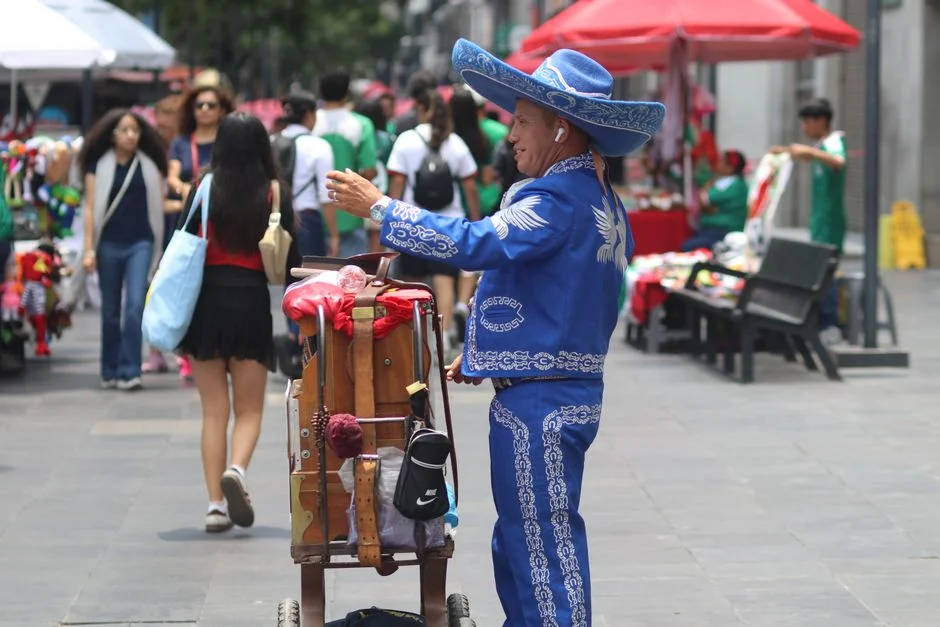
Broadcasters across Asia and Europe carried the ceremony live, introducing millions of viewers to Mexican cultural traditions before the first match kicked off. The production reportedly cost organisers several million dollars, though exact figures were not immediately disclosed.
Tourism Hopes Ride on Tournament Success


Mexico's tourism ministry has projected that the World Cup could attract more than one million international visitors over the course of the tournament. Hotel occupancy rates in Mexico City and other host cities have already climbed sharply in the weeks leading up to the opening match, with some properties reporting full bookings for the group stage.
Local businesses in the capital's historic centre have expanded operating hours and hired temporary staff to manage anticipated demand from foreign fans. Restaurant owners near the stadium told local media they expect revenue boosts lasting well beyond the final match on July 18.
Business Sector Prepares for Extended Activity
Retailers and entertainment venues are also positioning themselves to benefit from the influx of visitors. Shopping districts in Polanco and Condesa have installed World Cup-themed decorations, while bars and restaurants have secured additional alcohol licenses to accommodate longer service hours during match days.
The Mexican Football Federation has promised that surplus tournament revenues will fund youth development programmes nationwide, though critics have questioned whether those commitments will be honoured.
Broadcast Rights Drive Revenue Expectations
The tournament's opening ceremony coincided with renewed attention on broadcasting agreements worth billions of dollars globally. Media companies across Asia have paid substantial sums for rights to show every match live, creating expectations of strong advertising revenue during the six-week tournament.
Television networks in Japan, South Korea, and Australia have scheduled overnight programming to accommodate match times, betting that devoted football fans will tune in regardless of hour. The opening match alone was estimated to reach audiences exceeding 150 million viewers worldwide based on typical World Cup viewing patterns.
Currency and Investment Implications
The Mexican peso has shown resilience in recent weeks as investors weighed the tournament's potential economic boost against broader concerns about inflation and interest rates. Analysts at several investment banks have noted that major sporting events historically generate temporary increases in domestic consumption, though the lasting impact on economic growth remains debated.
Mexico's stock exchange has seen elevated trading volumes in sectors closely tied to tourism and hospitality. Some fund managers have increased allocations to Mexican equities in anticipation of better-than-expected corporate earnings during the tournament period.
What Comes Next
The group stage continues through late June, with the final scheduled for July 18 at the same stadium where the tournament began. Organisers face ongoing scrutiny over ticket distribution, security arrangements, and the treatment of temporary workers hired for the event.
Economists will be watching retail sales data and hotel revenue figures released over the coming months to assess whether the tournament delivered the economic boost Mexico's government has promised. The next major milestone arrives when the knockout round begins, typically accompanied by another surge in global viewership and tourism activity.
See Also
- India Arms Greece and Armenia with Missiles — Turkey Faces Security Crisis
- Indian Cockroach Janata Party Challenges Western Misunderstandings — Here’s Why It Matters
Analysts at several investment banks have noted that major sporting events historically generate temporary increases in domestic consumption, though the lasting impact on economic growth remains debated.Mexico's stock exchange has seen elevated trading volumes in sectors closely tied to tourism and hospitality. The opening match alone was estimated to reach audiences exceeding 150 million viewers worldwide based on typical World Cup viewing patterns.Currency and Investment ImplicationsThe Mexican peso has shown resilience in recent weeks as investors weighed the tournament's potential economic boost against broader concerns about inflation and interest rates.
What is the latest news about mexicos estadio azteca opens world cup to global acclaim?
Why does this matter for education?
What are the key facts about mexicos estadio azteca opens world cup to global acclaim?