South Africa's citrus industry is on the brink of a significant breakthrough as trade discussions with India move into a critical phase. For years, producers in regions such as Limpopo, Mpumalanga, and the Eastern Cape have pushed for greater access to Asian markets, viewing India as a destination with enormous untapped potential. Negotiations between the two governments are scheduled to resume this quarter, industry bodies confirmed.
A Decade of Pursuit
South African citrus exporters have sought Indian market access since at least 2015, when the Citrus Growers Association first formally raised the request with Pretoria. The industry, which produces lemons, oranges, grapefruits, and soft citrus across thousands of hectares, relies heavily on exports. Europe and the Middle East absorb the bulk of shipments, leaving growers exposed to currency swings and seasonal gluts in those regions.
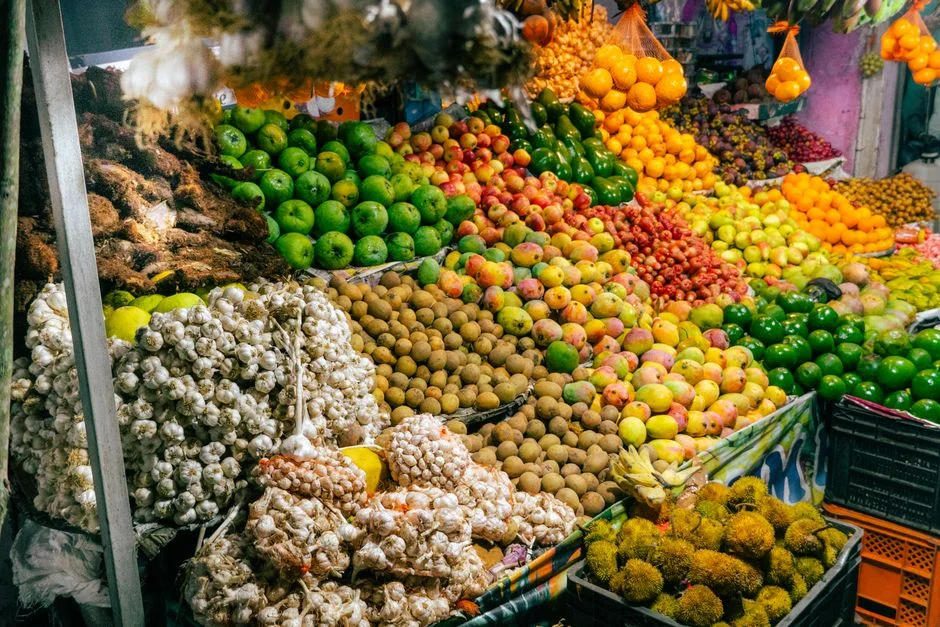
The opportunity in India is stark. With a population exceeding 1.4 billion and a growing middle class, even a modest foothold would represent a seismic shift for South African producers accustomed to established routes. A senior trade official in Pretoria described the talks as "the most substantive engagement we have had with New Delhi on this topic in years."
What Remains on the Table


Three sticking points dominate the current negotiations: phytosanitary standards, tariff structures, and the timeline for phased market opening. India maintains strict biosecurity protocols that have slowed agricultural trade deals with multiple partners. South African exporters argue their compliance with European Union regulations provides a template New Delhi could adopt.
On tariffs, South Africa is pushing for preferential rates similar to those extended under the BRICS trade framework, though neither government has confirmed specific numbers under discussion. Industry estimates suggest a 30 to 50 percent tariff currently applies to citrus imports from non-SAARC nations, alevy that would need to fall substantially to make shipments commercially viable for South African packhouses.
Technical Barriers and Compliance
Phytosanitary compliance represents the most technical hurdle. South African exporters have spent millions upgrading cold-chain infrastructure and treatment facilities to meet protocols in markets from China to the United States. Industry executives argue this positions the country well to satisfy Indian requirements, though regulators have yet to complete equivalency assessments.
The South African Department of Trade, Industry and Competition is coordinating the technical working groups alongside counterparts in New Delhi. A joint steering committee is expected to deliver findings before the end of the current financial year.
Economic Ripples for Producers
The stakes are considerable for South Africa's agricultural heartland. Citrus is one of the country's most valuable export crops, generating billions of rands annually and supporting employment across the supply chain from farms to ports in Durban and Cape Town. Growers who have invested in new orchards over the past five years are under pressure to find outlets beyond traditional destinations.
Agritrade International, one of South Africa's larger citrus exporters, confirmed it has begun preliminary assessments of Indian retail distribution models. The company ships to 47 countries and views India as a natural extension of its Asian portfolio, which already includes Japan and South Korea.
Broader Trade Dynamics
The push into India occurs against a backdrop of intensifying competition. Spain, Egypt, and Uruguay have all accelerated their own outreach to Asian markets, aware that continent-wide production growth is outpacing demand in traditional regions. South African producers maintain certain advantages: counter-seasonal supply means South African citrus reaches Northern Hemisphere shelves when local stocks run low.
For India, the discussions form part of a broader recalibration of trade relationships. New Delhi has signaled interest in reducing dependence on any single supplier, opening conversations with multiple Southern Hemisphere producers simultaneously.
Next Steps for the Industry
Negotiators will reconvene in the coming weeks for a round of technical talks in New Delhi, according to officials familiar with the schedule. A preliminary framework on market access could emerge by mid-year if both sides bridge the remaining gaps on protocols and tariffs.
South African citrus producers are watching closely. Industry leaders have framed the Indian market as a long-term strategic bet rather than a quick fix, but the potential is difficult to dismiss. If a deal materializes, it would mark one of the most significant export victories for South African agriculture in a decade and reshape the industry's geographic footprint permanently.
See Also
- Portugal's Government Approves Public Contracts Reform — Businesses Brace for Changes
- Bengal Halts Kharagpur Development Amid Economic Strain