Turkey's foreign ministry has delivered a pointed message to New Delhi: the friendship between Ankara and Islamabad is nobody else's business. The statement, issued on Monday, comes as diplomatic tensions between India and Pakistan remain raw, and as Turkey strengthens what officials describe as a "mature" partnership with Pakistan.
Turkish Ministry Fires Back at India
The Turkish foreign ministry issued a direct rebuttal after Indian officials raised concerns about deepening Turkey-Pakistan ties. "We are mature enough to conduct our bilateral relations," a ministry spokesperson told reporters in Ankara. The statement made no mention of specific military or economic agreements, but the timing of the remarks coincides with increased defence cooperation between Turkey and Pakistan.
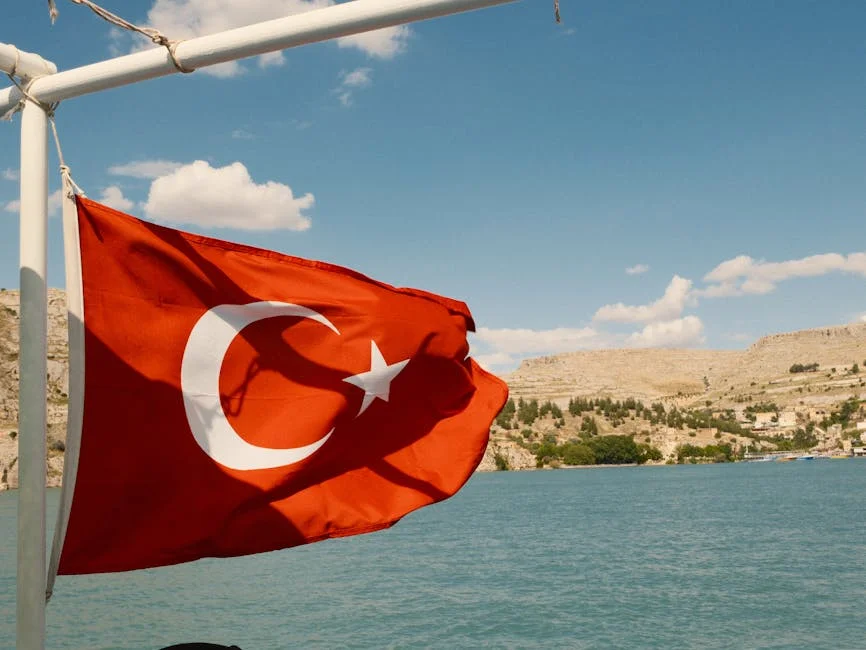
Indian foreign policy analysts have tracked the warming relationship between Turkey and Pakistan for several years. New Delhi has previously expressed quiet frustration at what it views as Turkish moves that sideline Indian interests in Central and South Asia.
Economic Fault Lines Emerge

The diplomatic spat carries real weight for businesses operating across these three markets. India is one of Turkey's larger trading partners in Asia, with bilateral commerce spanning textiles, machinery, and agricultural products. Any cooling of the commercial relationship would arrive at a difficult moment for both economies.
Turkey's economy has faced mounting pressure from inflation and currency volatility over the past two years. The lira's sharp depreciation in 2023 rattled investor confidence across emerging markets, and analysts are still watching for signs of renewed instability. Against that backdrop, Ankara's decision to deepen ties with Pakistan — a country with its own IMF programme and chronic balance-of-payments challenges — raises questions about the strategic logic behind the partnership.
Trade Numbers at Risk
Bilateral trade between India and Turkey stood at approximately $10 billion before the recent slowdown in relations. Industry groups in Istanbul and Mumbai have quietly lobbied their respective governments to protect commercial channels, even as political differences persist. Companies ranging from Turkish appliance manufacturers to Indian pharmaceutical exporters have significant exposure to any sustained rupture in bilateral ties.
Pakistan, meanwhile, is desperate for foreign investment and new trade routes. Turkey's willingness to expand cooperation gives Islamabad leverage it did not have before, but it also ties Pakistan more closely to an economy wrestling with its own structural problems.
What Singapore Businesses Should Watch
For Singaporean firms with interests in South Asia or the Middle East, the Turkey-Pakistan-India triangle presents both risks and opportunities. Trade facilitation through Singapore's ports and logistics networks could gain importance if commercial routes between these three countries become less predictable.
Investors with exposure to emerging market funds should monitor how currency markets react to sustained diplomatic friction. The Indian rupee has faced pressure this year, and any perception that regional instability is worsening could accelerate capital outflows from Asian emerging markets.
Singapore's position as a neutral financial hub gives it a natural role as a venue for dispute resolution and trade settlement. Whether that role becomes more central depends on how the current tensions evolve.
Looking Ahead
India's foreign ministry has not issued a formal response to the Turkish statement as of Tuesday evening. Officials in New Delhi are likely weighing whether to escalate diplomatically or focus on shoring up other partnerships in the region. The next few weeks will test whether the verbal sparring spills into actual trade restrictions or investment barriers.
What to watch: any announcement from New Delhi regarding review of trade preferences for Turkish goods, or signals from Ankara about new defence contracts with Pakistan. Either development would sharpen the stakes for businesses across all three markets.
See Also
- Congress Protests LPG Shortage, Carries Clay Stoves to BJP Headquarters - What It Means for Markets
- South Korea's Simon Seungmin Lee Clinches G4D Open Title at Celtic Manor