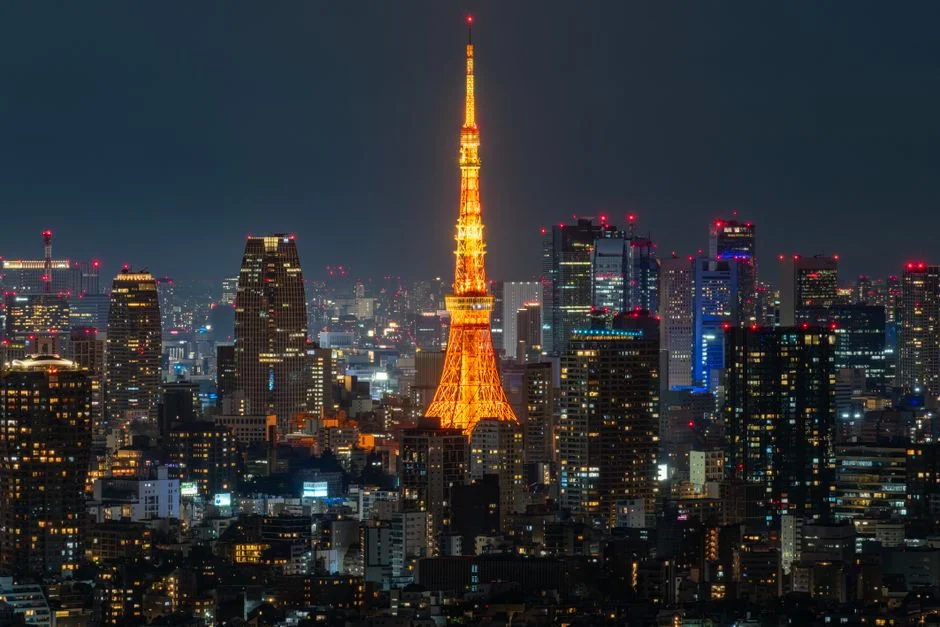
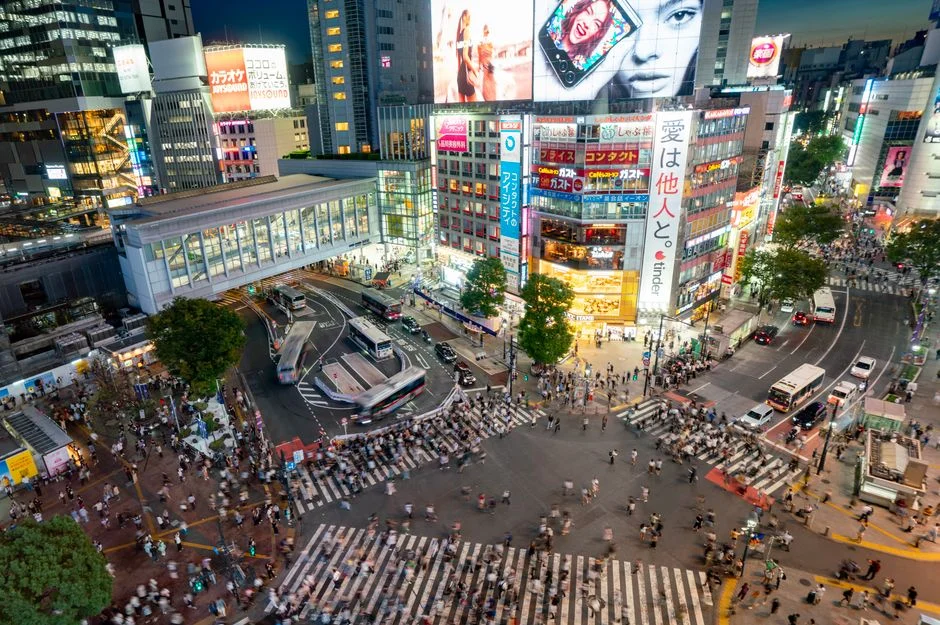
Shibuya, the glitzy Tokyo district famous for its neon-lit scramble crossing and rowdy nightlife, is cracking down hard on visitors who leave trash behind. Local authorities announced this month that enforcement officers will issue immediate fines to anyone caught littering in public spaces, replacing a previous system that relied on warnings and deferred penalties. The shift applies across the district's main commercial zones, where foot traffic has surged beyond what existing sanitation infrastructure was designed to handle. Dozens of offenders have already been penalised under the new regime, according to local officials.
How the new enforcement works
Officers stationed throughout Shibuya's shopping streets and entertainment corridors now have authority to levy fines on the spot, without the paperwork that previously delayed punishment. The change streamlines what authorities called an unwieldy process that often resulted in no penalty at all. Visitors and residents alike are subject to the new rules, though tourism-focused businesses say enforcement has so far targeted those visibly leaving waste in public view. Officials have declined to specify the exact fine amount, describing it as variable depending on the type and volume of waste discarded.
Why Tokyo's tourist districts needed a change

Shibuya's scramble crossing draws an estimated 2,500 pedestrians every 90 seconds during peak hours, a figure that has climbed steadily as international visitor numbers to Japan rebounded sharply following pandemic-era border restrictions. The concentration of foot traffic in a relatively compact commercial area creates persistent sanitation challenges that standard cleaning schedules struggle to address. Local government officials argued that immediate fines create a faster deterrent than the previous warning-based system, which often allowed offenders to leave before any penalty materialised. The economic argument is straightforward: a cleaner district supports higher retail sales and repeat visits, while unsanitary conditions drive away customers and damage Shibuya's brand as a global destination.
Impact on tourism businesses
Tour operators and hospitality businesses in the district face a dual challenge. On one side, they must now actively communicate the new rules to international visitors who may be unaware of on-the-spot penalties in Japan. On the other, a cleaner district could strengthen the visitor experience and support premium pricing for hotels and restaurants nearby. Some operators have begun embedding compliance reminders into booking confirmations and pre-arrival briefings, adding a new layer of customer education to their service offering. The cost of this extra communication is minimal, but the reputational risk of a tourist returning home with a fine attached to their name is significant.
Compliance costs for small businesses
Independent retailers and food vendors operating in Shibuya's narrower alleyways say the enforcement has added pressure to an already challenging operating environment. Several business owners told local media they now feel responsible for ensuring their customers do not discard packaging in nearby streets, fearing that visible litter near their premises could attract enforcement attention to themselves. One restaurant owner near Shibuya Station said his staff spend additional time each evening clearing the pavement outside, worried that accumulated waste could be attributed to his establishment. The dynamic creates an informal incentive for businesses to act as unpaid sanitation monitors, a burden that trade groups argue should be shared more equitably with municipal authorities.
Investor implications for Japan's retail sector
For investors tracking Japan's retail and hospitality sectors, the Shibuya enforcement signals a broader trend toward stricter public space management in high-traffic tourist zones. Several other districts, including Asakusa and Dotonbori in Osaka, have experimented with similar enforcement measures in recent years as international visitor numbers climbed. The financial impact on retail stocks remains unclear. A cleaner shopping environment could support higher foot traffic and conversion rates, but aggressive enforcement that generates negative social media posts from fined tourists poses a reputational risk that markets have not yet priced in. Real estate investment trusts holding commercial property in Shibuya should monitor whether the policy stabilises or reduces tenant turnover over the next two quarters.
Tourism revenue at stake
Japan welcomed a record 36.8 million international visitors in 2024, a figure that Treasury officials expect to climb further as airlines expand Asia-Pacific routes. Shibuya ranks among the top three destinations named by first-time visitors to Tokyo, according to survey data from the Japan National Tourism Organisation. Any policy that affects the quality of the visitor experience in this district carries outsized economic weight compared to similar measures in less-visited areas. The district's retail and hospitality businesses collectively generate trillions of yen in annual sales, a portion of which depends on visitors feeling welcome and comfortable rather than policed.
What comes next
Shibuya officials say they will review enforcement data after six months to determine whether on-the-spot fines have measurably reduced littering or whether the approach requires adjustment. The review will include visitor satisfaction surveys and street-level sanitation audits. If the results prove positive, similar enforcement could spread to other high-traffic districts in Tokyo and beyond. For now, tourists planning visits to Shibuya should treat the new fines as real and immediate, not as a theoretical threat that rarely materialises in practice. The stakes for visitor experience—and for the businesses that depend on it—have just risen considerably.
See Also
- US Woman Defrauds Family of $40,000 to Fund Trips to Australia — Shocking Betrayal
- Eswatini Halts HIV Drug Supply — and Prices Are Already Rising
Investor implications for Japan's retail sector For investors tracking Japan's retail and hospitality sectors, the Shibuya enforcement signals a broader trend toward stricter public space management in high-traffic tourist zones. Compliance costs for small businesses Independent retailers and food vendors operating in Shibuya's narrower alleyways say the enforcement has added pressure to an already challenging operating environment.