A military aircraft crashed during a training exercise in Taiwan on Friday, killing two pilots, according to the Taiwan Air Force. The incident occurred at daybreak near the Hualien Air Base on Taiwan's eastern coast, sparking an immediate investigation into the cause of the crash. Both pilots, whose names have not yet been released pending notification of their families, were confirmed dead at the scene.
Crash Details and Immediate Response
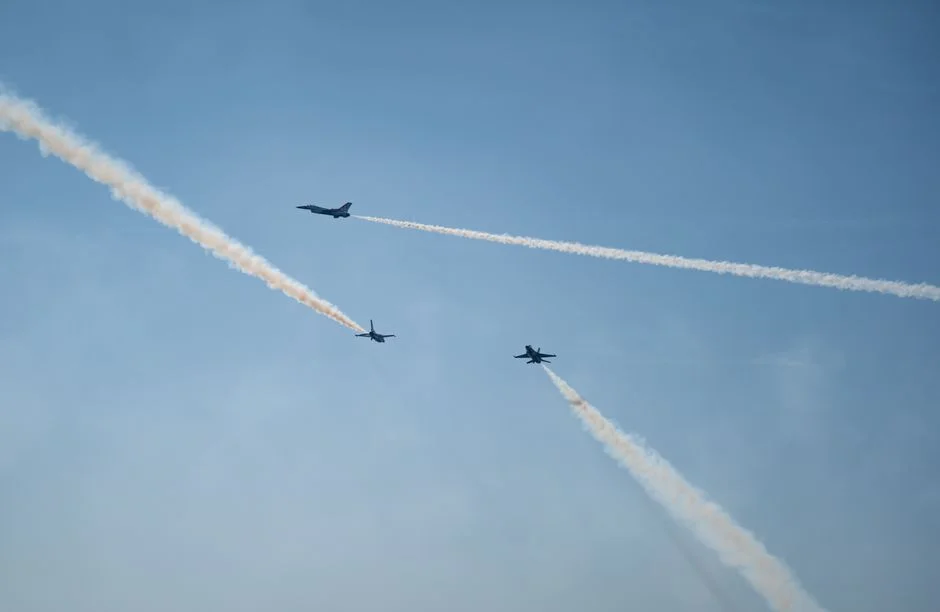
The aircraft went down at approximately 07:15 local time during a routine training sortie. Rescue teams arrived within minutes, but neither pilot survived. The Taiwan Air Force has classified the incident as a Class A accident, its highest severity rating. Officials confirmed the aircraft involved was an F-16 Fighting Falcon, a mainstay of Taiwan's aerial defence fleet.
Taiwan's Defence Minister Wellington Koo addressed reporters at a televised news conference later Friday afternoon. He expressed condolences to the families and pledged a thorough investigation. "The Ministry of National Defence will spare no effort in determining the cause and implementing corrective measures," Koo stated. The crash triggered an automatic grounding of the F-16 fleet pending safety checks, a procedural step that temporarily reduces Taiwan's air patrol capacity.
Economic and Market Stakes in Taiwan's Defence

Taiwan sits at the centre of global semiconductor supply chains, with chipmaker Taiwan Semiconductor Manufacturing Company (TSMC) alone accounting for roughly 60% of the world's advanced contract chip production. Any event perceived as destabilising or as weakening Taiwan's defensive posture tends to unsettle investors in chip-related shares and government bond markets. Friday's crash, while a military accident, draws attention to the operational pressures facing Taiwan's armed forces.
The Taiwan Stock Exchange Weighted Index closed mildly lower on Friday, shedding 0.3%, broadly in line with regional markets. Analysts noted no immediate panic selling, suggesting markets viewed the crash as an isolated incident rather than a signal of broader instability. However, the upcoming Defence Ministry budget review in the Legislative Yuan means legislators will face questions about whether training intensity and fleet maintenance are adequately funded.
Fleet Capabilities and Operational Readiness
Taiwan operates roughly 140 F-16s, a fleet that has undergone extensive upgrades in recent years under a programme worth over $5 billion. The aircraft lost on Friday was part of this modernised group. Military analysts point out that high training tempo, needed to counter near-daily Chinese air incursions into Taiwan's Air Defence Identification Zone, places strain on both equipment and personnel. Since 2020, Taiwan has scrambled intercepts on Chinese aircraft more than 2,000 times, a pace that critics say accelerates wear on airframes and engines.
Beyond F-16s, Taiwan's air force flies Indigenous Defense Fighters and Mirage 2000 jets. The crash of any one platform matters materially when total fleet numbers are modest and operational demands are rising. Replacement pilots would need to be drawn from the training pipeline, which defence officials confirmed is already under pressure.
Defence Spending and Budget Pressures
Taiwan's defence budget for 2025 stands at approximately NT$580 billion (around $18 billion), representing roughly 2.5% of GDP. That figure places Taiwan among the higher-spending nations in the Asia-Pacific region relative to its economy, but defence analysts have long argued that actual requirements are higher given the threat posture from Beijing. The accident comes at an awkward juncture for the Tsai administration, which has been pushing to accelerate arms purchases including another batch of F-16V aircraft from Lockheed Martin.
Insurance markets have grown more attentive to Taiwan's defence profile. Credit rating agencies occasionally reference military readiness when assessing Taiwan's sovereign risk profile, particularly if incidents suggest operational degradation. The current accident is unlikely to move credit ratings on its own, but combined with other stress factors, it adds a data point for sovereign risk assessment.
Regional Strategic Context
China claims Taiwan as its own territory and has never renounced the use of force to bring the island under Beijing's control. Against that backdrop, every incident in Taiwan's military matters beyond its immediate operational implications. Chinese state media outlets reported on Friday's crash within hours, framing it as evidence of what they characterised as instability in Taiwan's armed forces. That framing plays into a broader narrative Beijing deploys to discredit Taiwan's government and erode international support for Taipei.
The United States, which approved an $8 billion arms sale to Taiwan in 2024, is a key external player monitoring developments. Washington's Taiwan Relations Act obliges the United States to provide Taiwan with defensive weapons. Any accident involving U.S.-origin military hardware attracts attention from Congress, where legislators from both parties have shown sustained interest in Taiwan's defence capabilities.
Aviation Safety Standards Under Scrutiny
The Taiwan Air Force has not experienced a fatal crash since May 2023, when a helicopter accident killed one crew member. That incident led to a temporary review of aviation safety protocols. The recurrence of a fatal aviation accident within the space of two years will likely intensify calls for a thorough audit of maintenance records, pilot training hour schedules, and aircraft inspection intervals.
International aviation safety standards bodies periodically review military aviation practices, though such reviews are typically invitational rather than compulsory. Taiwan's status in various international forums is restricted due to Chinese pressure, meaning it cannot easily access multilateral safety consultations available to recognised state air forces.
What Comes Next for Taiwan's Air Force
The investigation into Friday's crash is expected to take between 30 and 45 days, according to a Defence Ministry spokesperson. Investigators will examine flight data recorders, maintenance logs, and witness accounts from ground personnel. That timeline means the report will likely land before the parliamentary defence budget session concludes, potentially shaping debate on whether additional funds should be allocated to fleet maintenance.
Markets will be watching for any signs that the grounding of the F-16 fleet extends beyond the mandatory safety review. If the operational pause lasts more than a few weeks, Taiwan's ability to maintain round-the-clock air patrols over the Taiwan Strait could be temporarily reduced, an outcome that would unlikely go unnoticed by investors tracking geopolitical risk premiums. The Tsai administration faces a narrow window to demonstrate that the crash is being handled transparently and that operational readiness remains intact.
See Also
- Nissan Unveils New Leaf Pricing — Delays in Deliveries Raise Concerns
- Ballantine’s True Music Hosts Barry B at Madrid Match Event
That figure places Taiwan among the higher-spending nations in the Asia-Pacific region relative to its economy, but defence analysts have long argued that actual requirements are higher given the threat posture from Beijing. Credit rating agencies occasionally reference military readiness when assessing Taiwan's sovereign risk profile, particularly if incidents suggest operational degradation.