Christine Lagarde, President of the European Central Bank (ECB), is urging the Eurozone to intensify efforts in reinforcing the euro's role on the global stage. In her latest remarks on October 3, 2023, she highlighted the need for the euro to gain greater traction as an international currency amidst a shifting geopolitical landscape.
Significance of the Euro's International Role
Lagarde emphasised that the euro, currently comprising approximately 20% of global foreign exchange reserves, must aspire to rival the US dollar's dominance, which accounts for nearly 60%. This push comes at a time when the eurozone is grappling with economic challenges and seeking to solidify its global financial standing.
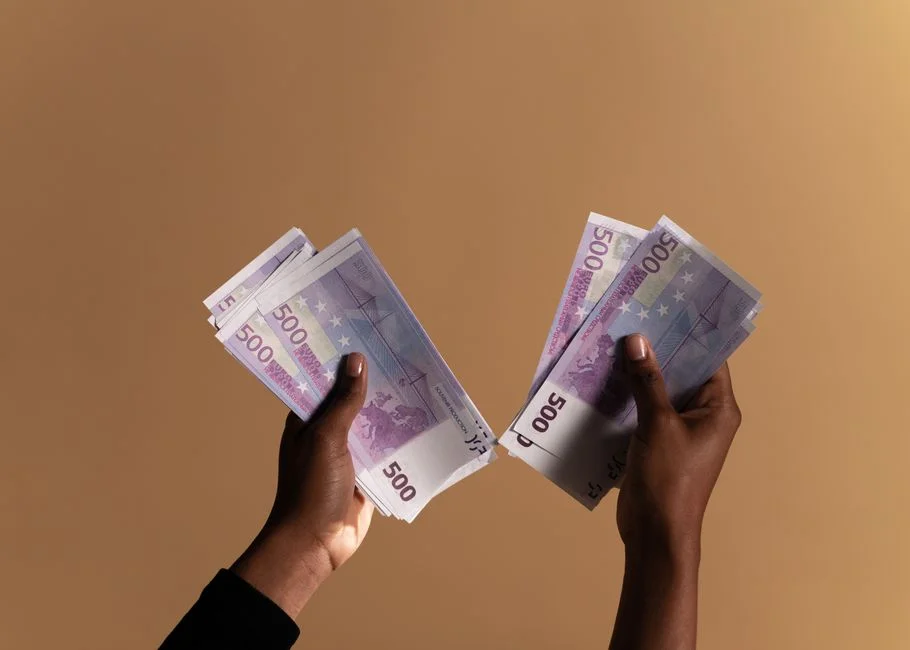
“Strengthening the euro’s position is critical for enhancing the Eurozone’s economic sovereignty,” Lagarde stated during a conference in Frankfurt. Her comments reflect a growing sentiment among European leaders that the euro's international presence is essential, not just for trade but also for political stability.
Market Reactions to Lagarde's Remarks

Following her announcement, financial markets responded with a mix of optimism and caution. The euro rose by 0.5% against the US dollar within hours, suggesting that investors are taking Lagarde’s call seriously. Analysts noted that sustained efforts to bolster the euro could lead to increased investment in Eurozone assets, benefiting businesses and overall economic growth.
However, some investors remain sceptical. They argue that structural issues within the Eurozone, including high debt levels and differing economic performances among member states, could hinder efforts to elevate the euro’s status. European stock markets displayed volatility following Lagarde’s comments, reflecting this uncertainty.
Implications for Businesses and Investors
For companies operating within the Eurozone, a stronger euro could mean increased purchasing power globally, making imports cheaper. However, exporters may face challenges as their products become more expensive for foreign buyers. This dual impact could lead to varied strategic adjustments by businesses across sectors as they respond to currency fluctuations.
Investors must also reevaluate their portfolios in light of Lagarde's announcement. A strengthened euro could incentivise investment in Eurozone equities, but it also raises the question of currency risk for international investors. Financial analysts suggest that companies with strong export capabilities should brace for potentially headwinds if the euro continues to rise.
Future Actions and Considerations
Looking ahead, the ECB will likely implement policies aimed at enhancing the euro's competitiveness. Analysts anticipate discussions on how to diversify reserves held in euros by central banks worldwide, which may be a key topic at the upcoming G20 summit in November 2023.
Regulators are encouraged to consider initiatives that support the euro's use in international trade and finance, such as promoting the euro in energy markets and trade agreements. As these discussions evolve, businesses and investors should closely monitor the developments that could reshape the economic landscape.
Conclusion: What to Watch Next
As the Eurozone navigates these challenges, the effectiveness of Lagarde's strategy will be tested in the near future. Stakeholders should keep an eye on the ECB's policy adjustments and the euro's performance against other currencies. How these factors unfold will significantly shape the economic prospects for both domestic and international investors.
See Also
- South Korea Unearths 100-Million-Year-Old Dinosaur, Sparking Global Curiosity
- Earthquake Hits Kamjong — Markets Brace for Impact