Earthquake tremors measuring 5.2 struck Kamjong in Manipur today, rattling local communities and sparking immediate concerns over infrastructure and regional stability. The National Seismological Centre confirmed the quake occurred at 14:23 local time, with no immediate reports of casualties. The incident has raised questions about the resilience of regional supply chains and the potential ripple effects on markets across the northeast.
Seismic Activity and Regional Infrastructure
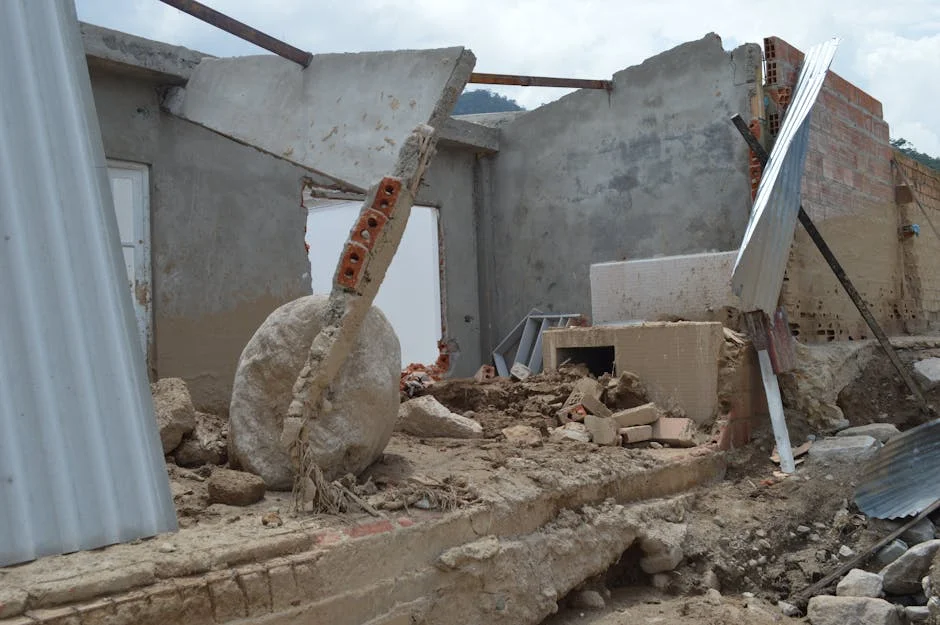
The tremor, which lasted approximately 15 seconds, was felt in several nearby districts, including Churachandpur and Bishnupur. Local authorities have launched a preliminary assessment of damage to roads, bridges, and power lines. "We are monitoring the situation closely," said Dr. Rakesh Sharma, a seismologist at the National Seismological Centre. "While this is not a major quake, the region's infrastructure is vulnerable, and we must remain cautious."
Manipur, a state bordering Myanmar, has seen a rise in seismic activity over the past decade. The region's mountainous terrain and proximity to tectonic fault lines make it prone to such events. Infrastructure projects, including the development of the India-Myanmar-Thailand Trilateral Highway, have been under scrutiny for their potential exposure to geological risks. Any disruption in these projects could delay economic integration and impact trade flows.
Market Reactions and Business Implications

While the immediate economic impact remains unclear, markets in nearby cities such as Guwahati and Shillong have shown minor fluctuations. The Indian Rupee weakened slightly against the US Dollar, with traders speculating on potential supply chain disruptions. "We are keeping a close eye on the situation," said Anand Mehta, an analyst at ICICI Securities. "Any prolonged instability could affect regional trade and investment flows."
Businesses in Manipur, particularly those involved in agriculture and small-scale manufacturing, face uncertainty. The state is a key producer of rice and pulses, and any disruption in transportation or logistics could affect national supply chains. Local traders have reported increased anxiety, with some delaying shipments pending further updates. "We’re waiting for official assessments before making any major decisions," said Priya Sharma, a wholesale trader in Imphal.
Economic Concerns and Investor Sentiment
Investors are closely monitoring the situation, particularly in sectors reliant on regional stability. The state's growing role in India's northeastern economic corridor has made it a focal point for infrastructure and energy projects. Any setbacks could delay these initiatives and affect long-term economic growth. "The region is vital for cross-border trade and connectivity," said Dr. Arjun Das, an economist at the Indian Institute of Management. "Disruptions, even minor ones, can have wider implications."
Insurance companies have also begun assessing potential claims. While no major damage has been reported, the incident has highlighted the need for better disaster preparedness in the region. The Manipur State Disaster Management Authority has issued advisories for residents to remain cautious and avoid damaged structures.
What to Watch Next
The coming days will be critical in determining the full extent of the tremor's impact. Authorities are expected to release a detailed damage assessment by the end of the week. Investors and businesses should monitor updates from the National Seismological Centre and local government officials for any signs of prolonged disruption. Additionally, the regional government is set to hold an emergency meeting on Thursday to discuss long-term infrastructure resilience.
As the focus shifts to recovery and preparedness, the incident serves as a reminder of the delicate balance between economic development and natural risks in the northeast. For now, markets and businesses remain on high alert, awaiting clarity on the situation's evolution.
See Also
- Daniel Caesar's Hong Kong Tour Sparks Local Market Surge
- Jornadas Parlamentares Urges PS to Unblock Judicial Choices
While no major damage has been reported, the incident has highlighted the need for better disaster preparedness in the region. What to Watch Next The coming days will be critical in determining the full extent of the tremor's impact.