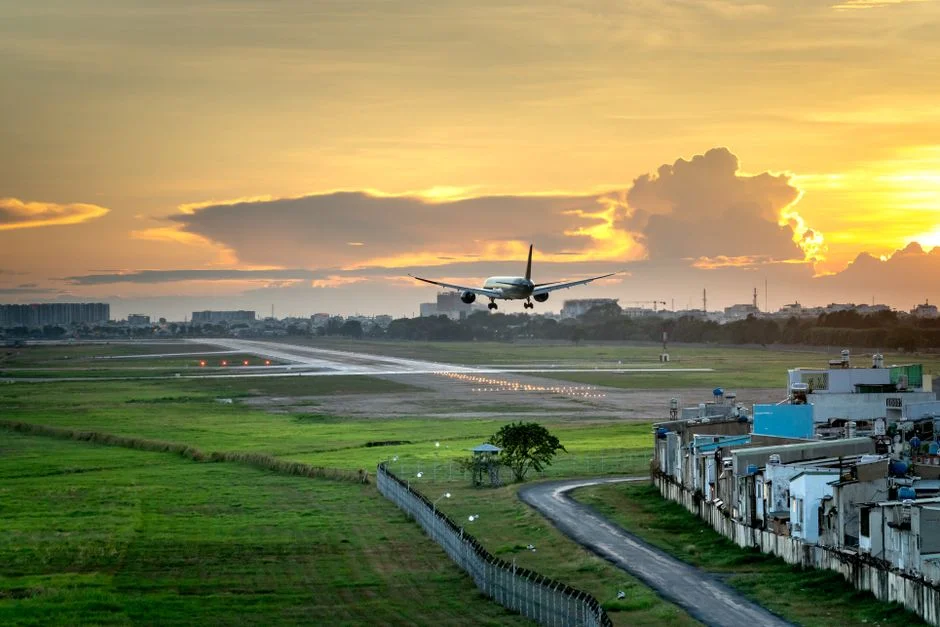
India's Defence Ministry confirmed plans to develop a fifth-generation fighter jet, aiming to boost the country's military capabilities and reduce reliance on foreign technology. This announcement comes as India seeks to enhance its position in the global defence market, which is becoming increasingly competitive.
Strategic Goals Behind the Fighter Jet Program
The Indian government has set a target to launch the new fighter jet by 2025, as part of its broader strategy to modernise its armed forces. The initiative underscores India's desire to establish itself as a key player in the global defence industry, particularly in South Asia.

Prime Minister Narendra Modi has emphasized the need for indigenously developed technology to strengthen national security. The new fighter program is expected to create significant job opportunities in the aerospace sector, with projections suggesting up to 200,000 new positions could be generated over the next decade.
Market Implications of the Fighter Jet Development

This ambitious project could have profound implications for the local and regional economy. India plans to invest approximately $5 billion in research and development for this new aircraft, which will not only bolster the defence industry but also stimulate various sectors such as manufacturing and technology.
Investors are keenly watching this development, as government contracts in defence often signal growth opportunities. Defence companies in India, such as Hindustan Aeronautics Limited (HAL), are poised to benefit significantly from this project. HAL's shares have seen a surge of nearly 15% since the announcement.
Challenges and Competition
While the initiative is promising, it faces challenges such as technological gaps and competition from established players like Lockheed Martin and Boeing, both of which have strong footholds in Asia. India will need to ensure that it can match the technological advancements of these competitors while managing the complexities of a large-scale aerospace project.
Furthermore, collaboration with other nations, including potential partnerships with countries like Russia and France, may be crucial. These partnerships could offer vital expertise and technology transfer, which is essential for the successful development of the fighter jet.
Regional Effects on Defence Dynamics
This development could reshape the regional balance of power in South Asia. As India enhances its military capabilities, neighbouring countries like Pakistan and China may respond with similar upgrades to their own forces. This could lead to increased tensions in the region, necessitating careful diplomatic efforts.
The geopolitical implications are significant, prompting observers to evaluate how shifts in military capabilities may influence diplomatic relationships. For investors, this means closely monitoring how these developments might affect the broader security landscape and investment climate in the region.
Next Steps for India's Defence Initiatives
With the fighter jet program officially launched, the next phase involves detailed planning and implementation strategies. The Defence Ministry is expected to announce further collaborations with private firms and international partners in the near future.
As India progresses towards its 2025 launch target, stakeholders should watch for updates on contracts awarded and technological advancements. The success of this pilot project could set the stage for future defence initiatives, pushing India further into the global defence market.
See Also
- Australia Commits $10bn to Fuel and Fertiliser Security Amid Economic Uncertainty
- India and Oman Launch CEPA — Trade Barriers Drop and Benefits Expand
What is the latest news about india aims to dominate defence sector with new 5thgen fighter jet program?
Why does this matter for politics-governance?
What are the key facts about india aims to dominate defence sector with new 5thgen fighter jet program?