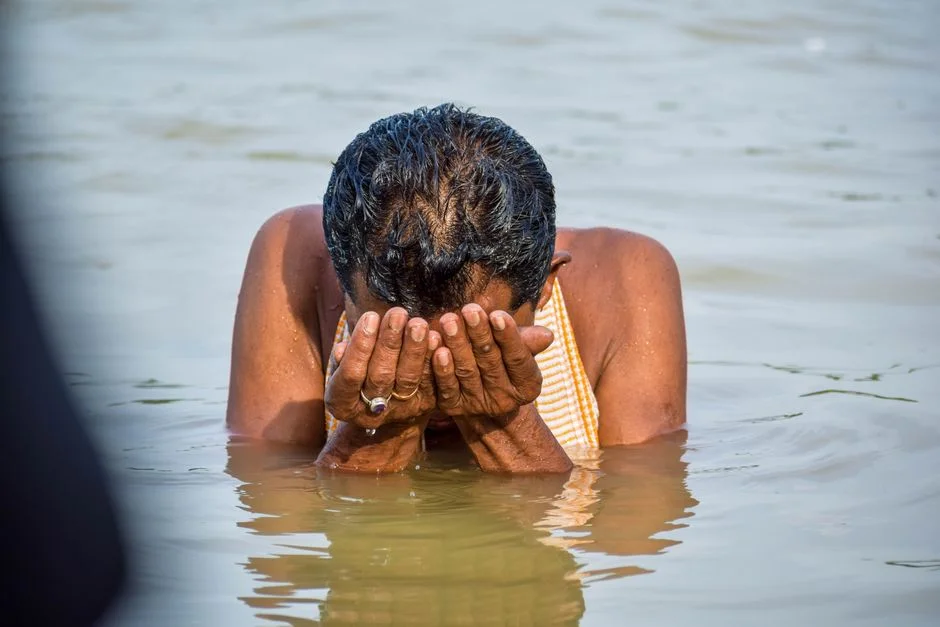
India's coastal districts, including the bustling city of Mumbai, are projected to experience a temperature rise exceeding 1°C by the year 2040, according to a recent report from the Ministry of Earth Sciences. This forecast raises urgent concerns regarding the impact on local economies, businesses, and investors across the region.
Temperature Projections and Economic Implications
The report from the Ministry of Earth Sciences specifies that 40 coastal districts will likely see this increase, significantly affecting agriculture, fisheries, and tourism. The implications of such climate changes can ripple through the economy, leading to a potential decline in productivity and higher operational costs for businesses reliant on stable weather conditions.

Fisheries, a cornerstone of many coastal economies, could be particularly hard-hit as changing water temperatures affect fish migration patterns and breeding grounds. According to local economic experts, a direct consequence could be a drop in catch volumes, leading to a 20% decrease in fishermen's incomes in affected areas.
Impact on Agriculture and Food Security

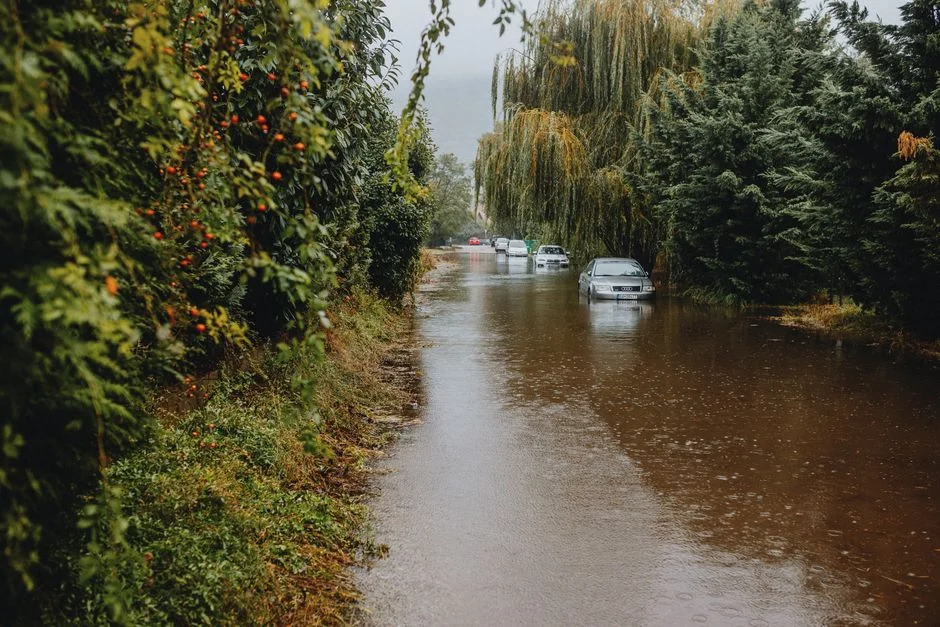
Farmers in coastal regions are also bracing for the consequences of rising summer temperatures. The increase in heat is expected to complicate crop production, especially for heat-sensitive crops such as rice and vegetables. Agricultural analysts predict that yields may fall by as much as 15% over the next 15 years if mitigation strategies are not implemented.
Food prices may surge as a result, exacerbating food security issues already faced by vulnerable populations. This scenario could lead to increased inflationary pressures on the economy, affecting both local and international markets.
Business Adaptations and Investments
In response to these changing conditions, businesses may be forced to adapt their operations significantly. Companies relying on stable weather for their supply chains must evaluate their risk exposure and modify sourcing strategies. Some businesses in Mumbai are already investing in temperature-resistant technologies and sustainable practices to mitigate these risks.
Investors need to pay close attention to how these developments will shape market dynamics. Climate-conscious investment strategies could gain traction as businesses look to adapt and thrive amidst these challenges. The push towards green technology may present new opportunities in renewable energy and sustainable agriculture sectors.
Government Initiatives and Funding
The Indian government is aware of these challenges and has begun to allocate funds for climate resilience projects. Initiatives aimed at improving coastal infrastructure, such as better drainage systems and flood barriers, have been proposed to safeguard communities from climate-related disasters.
Furthermore, increased funding to research climate-resilient crop varieties is essential for bolstering food security. Stakeholders anticipate that government measures will need to accelerate to combat the impending impacts effectively.
Public Awareness and Action
Public awareness campaigns are also vital in preparing local communities for the expected changes. Residents in coastal districts must understand the potential economic consequences and actively participate in adaptation strategies. Workshops and community meetings are set to promote best practices in water conservation and sustainable farming.
What’s Next?
As the deadline for these climate impacts approaches, stakeholders within India and abroad must keep a close watch on the evolving situation. Future investments and policies should focus on long-term sustainability and resilience to safeguard economic interests against the backdrop of rising temperatures. Next year’s climate summit will be a critical event for discussions on international cooperation and funding strategies to address these challenges.
See Also
- UPL Executive Warns West Asia Conflict Could Halt Agri Input Supply - Explains Why Hormuz Matters
- India's IFFCO Opens New Agriculture Trade Frontier with United States
Stakeholders anticipate that government measures will need to accelerate to combat the impending impacts effectively.Public Awareness and ActionPublic awareness campaigns are also vital in preparing local communities for the expected changes. Workshops and community meetings are set to promote best practices in water conservation and sustainable farming.What’s Next?As the deadline for these climate impacts approaches, stakeholders within India and abroad must keep a close watch on the evolving situation.