Kenya is tightening its grip on the import of second-hand clothes, aiming to protect its domestic textile industry. This decision comes as part of a broader push across East Africa to limit used clothing imports, primarily from China and Western countries, which threaten local businesses. However, the challenge lies in transitioning to a self-sustaining textile economy while balancing consumer affordability.
Market Pressures on the Textile Industry
The East African Community (EAC) countries, including Kenya and Tanzania, have faced mounting pressure to reduce reliance on imported used garments. These imports accounted for an estimated 75% of clothing in East African markets, significantly disrupting local manufacturers. As of this year, Kenya’s Ministry of Trade announced the first phase of a policy aimed at curbing imports to bolster local production.
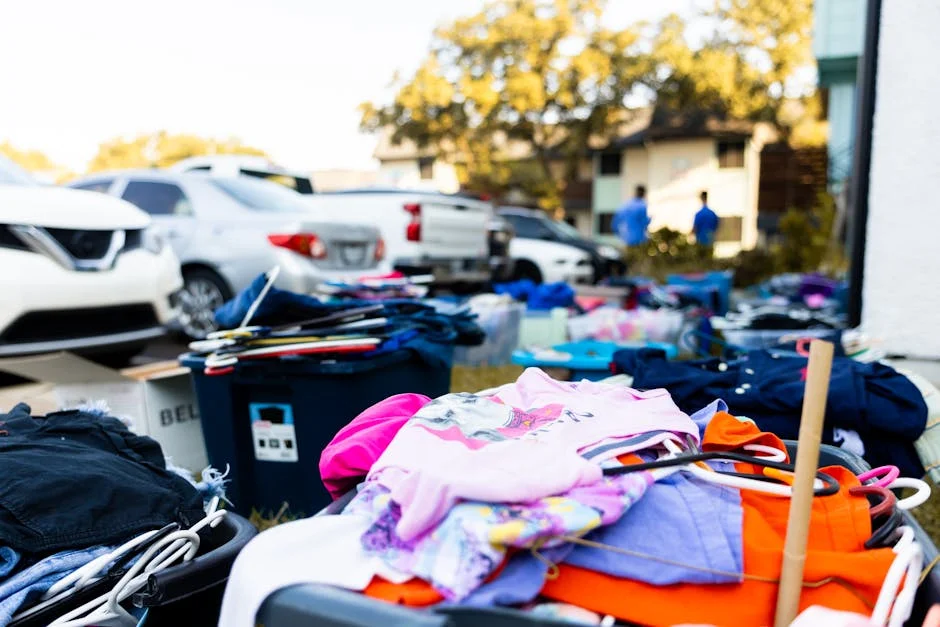
Kenya’s domestic textile sector currently caters to a small fraction of clothing needs, which creates a dilemma. The government must balance the interests of local manufacturers struggling against low-priced imports with the reality that low-income consumers often rely on used clothes as an affordable option.
Consumer Reactions and Economic Impact

Consumer sentiment in Kenya is mixed. While some support the initiative to boost local production, others fear that a sudden halt to used clothing imports will lead to increased prices. A recent survey indicated that 63% of consumers in Nairobi rely on second-hand clothing due to high local production costs. This dependency puts pressure on the Kenyan government to ensure that local industries can efficiently meet demand before imposing strict restrictions.
The immediate economic implications are significant. If Kenya enforces a ban on used clothes without adequate local production capacity, it risks inflating clothing prices and exacerbating poverty levels. Investors in the textile sector are now weighing their options, particularly concerning potential shifts in manufacturing and retail strategies.
Tanzanian Policy Moves
Tanzania has already taken a firm stance, implementing a ban on used clothing imports starting next month. This decision has raised alarms among Kenyan traders who supply the Tanzanian market. According to the Tanzanian Ministry of Trade, nearly 40% of clothing sales in the country stem from imported second-hand garments, demonstrating the economic dependency on these imports.
Stakeholders are concerned about the economic fallout. Trade experts warn that this ban could result in retaliatory measures from Kenya, further straining economic relations within the EAC. Businesses reliant on cross-border sales may face significant disruptions, prompting a need for strategic reassessment.
Challenges of Self-Sufficiency
Transitioning to self-sufficiency in the textile industry poses numerous challenges. Local manufacturers need access to affordable raw materials and modern technology to compete effectively with imported goods. Reports indicate that up to 60% of local textile manufacturers cannot meet the quality and pricing standards set by imported items.
This situation has prompted calls for government support in the form of subsidies or investment in local textile infrastructure. Such measures could help boost production capacities and improve product quality, making locally produced garments more appealing to consumers.
What Investors Should Watch
Investors in East Africa are keeping a close watch on these developments. The textile sector's potential for growth could attract investment, particularly if government policies shift towards supporting local production. Analysts suggest that companies focusing on innovative manufacturing processes or sustainable fabrics may find new opportunities in this evolving landscape.
As policy changes unfold, stakeholders will need to adapt quickly to remain competitive. Investment in technology and skills development will be crucial for manufacturers to thrive in a potentially restricted import environment.
Future Steps and Considerations
Looking ahead, stakeholders must prepare for the upcoming discussions regarding trade policies within the EAC. Kenya’s proposed timeline for implementing its new import restrictions remains unclear, but the government aims to release more detailed plans shortly. Investors and businesses will need to monitor these developments closely to strategise effectively.
Ultimately, the future of East Africa's textile market hinges on balancing protectionist measures with consumer needs. Ensuring compliance with international trade agreements while fostering local production will be a challenging yet necessary path forward.
See Also
- Nidhi Mittal Deletes X Account Amid Resurfaced Controversial Tweets
- Here Prison Crisis Sparks Economic Concerns — Businesses Suffer
According to the Tanzanian Ministry of Trade, nearly 40% of clothing sales in the country stem from imported second-hand garments, demonstrating the economic dependency on these imports.Stakeholders are concerned about the economic fallout. Reports indicate that up to 60% of local textile manufacturers cannot meet the quality and pricing standards set by imported items.This situation has prompted calls for government support in the form of subsidies or investment in local textile infrastructure.