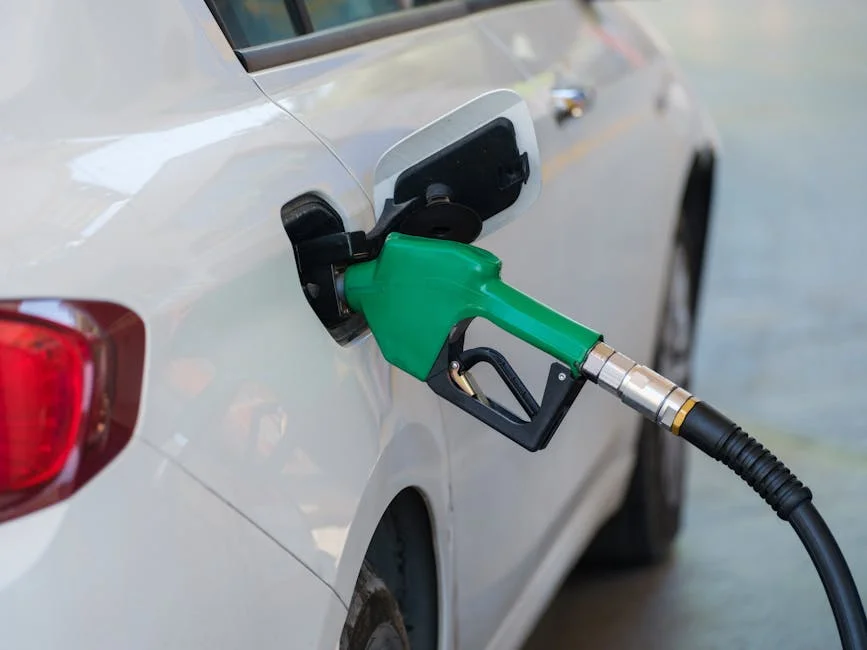
The Indian government mandated that fuel retailers maintain a minimum of 30 days' supply of liquefied petroleum gas (LPG) in response to escalating tensions in West Asia. This directive aims to safeguard against potential supply disruptions that could arise from the ongoing geopolitical strife in the region.
Government Directive to Fuel Retailers
On October 10, 2023, the Ministry of Petroleum and Natural Gas issued a notice requiring all LPG distributors in India to ensure adequate reserves. Union Minister Hardeep Singh Puri confirmed that this precautionary measure is designed to protect consumers from abrupt shortages in the face of rising geopolitical tensions.
Retailers must comply with the regulation by November 15, 2023. Many distributors are currently assessing their supply chains to meet the new requirements. The move comes in response to potential disruptions linked to unrest in oil-producing countries, notably in the Gulf region.
Market Reactions and Economic Consequences


Markets reacted swiftly to the news, with shares of major oil companies experiencing fluctuations. The BSE Oil & Gas Index saw a dip of 3.2% immediately following the announcement, reflecting investor jitters over potential supply chain issues. The Gulf economy, a critical supplier of oil to India, stands at a crossroads as regional tensions escalate.
India, which imports around 85% of its oil needs, could face inflationary pressures if supplies dwindle. The Reserve Bank of India already monitors these shifts closely, as they could impact inflation rates and overall economic stability. A sustained rise in LPG prices could lead to increased operational costs for businesses that rely heavily on this resource.
Implications for Indian Businesses
The directive aims to prevent companies from facing sudden price hikes, but it may lead to increased costs in the short term. Businesses that depend on LPG, such as restaurants and manufacturing units, might need to adjust their pricing strategies to accommodate potential rises in fuel expenses.
Industry stakeholders, such as the All India LPG Distributors Federation, are concerned about the burden this could place on smaller retailers. They argue that smaller businesses may lack the resources to stock up effectively, potentially leading to market distortions.
Investor Perspective: Risks and Opportunities
Investors are now weighing the risks associated with an unstable supply chain against potential opportunities that may arise from increased government spending on energy security. Companies involved in alternative energy solutions may see increased interest as businesses and the government look to diversify energy sources.
Investors should remain vigilant as they monitor the situation in West Asia and its implications for the Indian economy. The government's proactive stance could stabilise the market in the long run, but uncertainties remain in the immediate future.
Looking Ahead: What to Watch
As retailers prepare to meet the new reserve requirements, the international community will be closely watching for any developments in West Asia that could further impact oil prices. Analysts suggest that further escalations in the region could prompt additional regulatory measures from the Indian government.
Market participants should keep an eye on upcoming OPEC meetings, as decisions made there could significantly influence supply and pricing strategies worldwide. Understanding how these dynamics unfold will be critical for businesses and investors alike.
See Also
- Taraji P. Henson Makes Broadway Debut in August Wilson Classic
- Transdev Scraps Sydney Pedestrian Sensor Trial Over Costs, Whistleblower Claims
What is the latest news about india mandates 30day lpg reserves as gulf tensions threaten supply chain?
Why does this matter for economy-business?
What are the key facts about india mandates 30day lpg reserves as gulf tensions threaten supply chain?