The Strait of Hormuz, a critical chokepoint for global oil supplies, now poses greater concerns for China than the Malacca Strait. China relies on this narrow passage for about 20% of its oil imports, a figure that has spurred Beijing to reassess its energy security strategies, particularly amidst rising geopolitical tensions in the region.
Strait of Hormuz: A Strategic Concern for China
Located between Iran and Oman, the Strait of Hormuz is a narrow waterway through which an estimated 21 million barrels of oil pass daily. This critical shipping route has become a point of contention, especially as military tensions in the region escalate. Recent military exercises by Iran and frequent confrontations with US naval vessels have heightened fears around the potential for disruption.
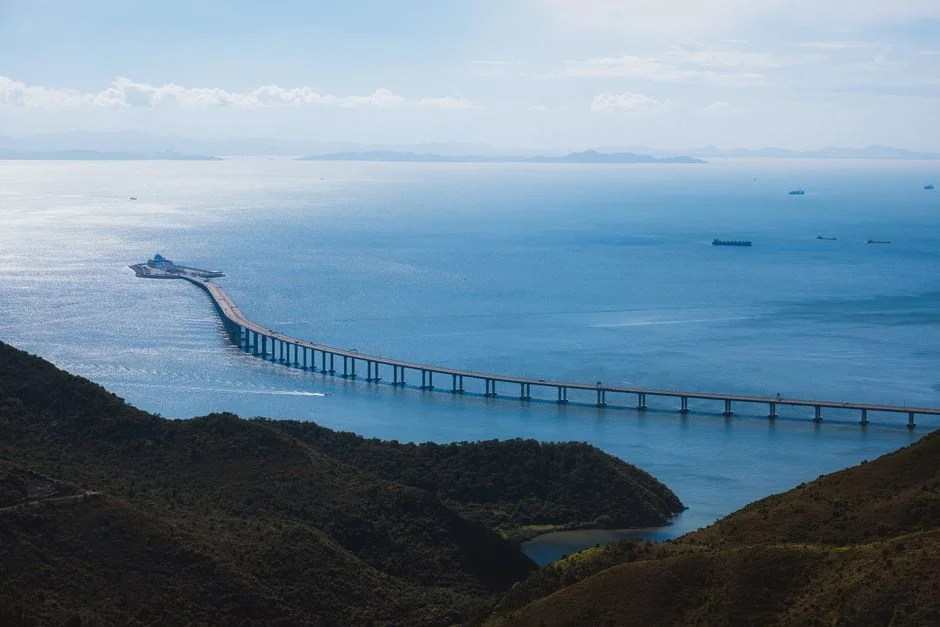
In contrast, the Malacca Strait, while significant, sees only 14 million barrels per day pass through. The difference in volume underscores why the Strait of Hormuz demands more immediate attention from Chinese policymakers. Disruption in Hormuz could trigger higher oil prices and more significant market instability, directly impacting China’s economy.
Market Reactions to Geopolitical Threats

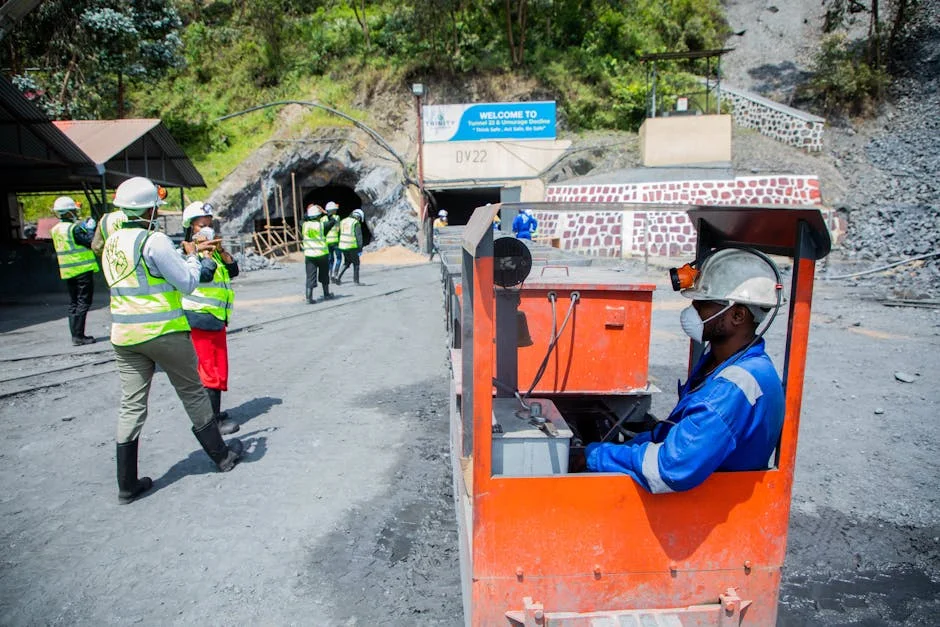
The potential for closure of the Strait of Hormuz could result in oil prices soaring. Analysts predict prices could spiral above $100 a barrel if tensions escalate further. This would significantly affect businesses reliant on energy, such as transportation and manufacturing sectors, increasing operational costs.
Furthermore, Chinese investors are closely monitoring developments as any spike in oil prices could lead to inflationary pressures in the economy. With energy consumption expected to rebound following the pandemic, a volatile oil market poses a serious threat to China's recovery efforts.
China's Energy Security Strategy
In response to these geopolitical pressures, China has started diversifying its energy sources. The country is strengthening its ties with Russia and exploring alternative routes, such as pipelines through Central Asia, to reduce its dependence on maritime routes.
According to Zhao Lijian, spokesperson for the Chinese Foreign Ministry, “China will not sit idle as tensions in the Strait of Hormuz rise.” This statement reflects China's intentions to actively engage in diplomatic efforts to ensure the safety of its energy supplies while preparing for possible disruptions.
The Role of the Malacca Strait
While the Malacca Strait has been a longstanding concern for China regarding piracy and regional conflicts, its current status offers a semblance of stability compared to the Hormuz situation. However, the region remains crucial as it serves as a key shipping lane for goods from Southeast Asia to China.
China's Belt and Road Initiative aims to strengthen its economic footprint in Southeast Asia, further solidifying its interests in the Malacca Strait. Any developments affecting this route could still have ripple effects on China’s supply chains and trade dynamics.
Implications for Singapore and the Broader Economy
As a significant trading hub, Singapore could face indirect repercussions from disruptions in the Strait of Hormuz. Higher oil prices would inflate transport costs, leading to increased prices for goods, thereby impacting consumer spending and overall economic growth.
Furthermore, Singapore’s port operations, linked heavily to shipping through both the Strait of Hormuz and the Malacca Strait, could see fluctuating demand, influencing logistics companies and investors alike.
Looking Ahead: What to Watch
The situation in the Strait of Hormuz will require close scrutiny in the coming months. Investors should monitor any military escalations that could threaten oil supply chains and market stability.
The upcoming Iranian presidential election in June could also influence regional dynamics, potentially altering China's approach to securing its energy interests. Business leaders in Singapore must stay alert to developments that could impact both the Malacca Strait and other trade routes.
See Also
- Beijing Condemns US After Chinese Researcher's Death
- California Governor Bans AI Testing — and Tech Stocks Plunge
The country is strengthening its ties with Russia and exploring alternative routes, such as pipelines through Central Asia, to reduce its dependence on maritime routes.According to Zhao Lijian, spokesperson for the Chinese Foreign Ministry, “China will not sit idle as tensions in the Strait of Hormuz rise.” This statement reflects China's intentions to actively engage in diplomatic efforts to ensure the safety of its energy supplies while preparing for possible disruptions.The Role of the Malacca StraitWhile the Malacca Strait has been a longstanding concern for China regarding piracy and regional conflicts, its current status offers a semblance of stability compared to the Hormuz situation. However, the region remains crucial as it serves as a key shipping lane for goods from Southeast Asia to China.China's Belt and Road Initiative aims to strengthen its economic footprint in Southeast Asia, further solidifying its interests in the Malacca Strait.