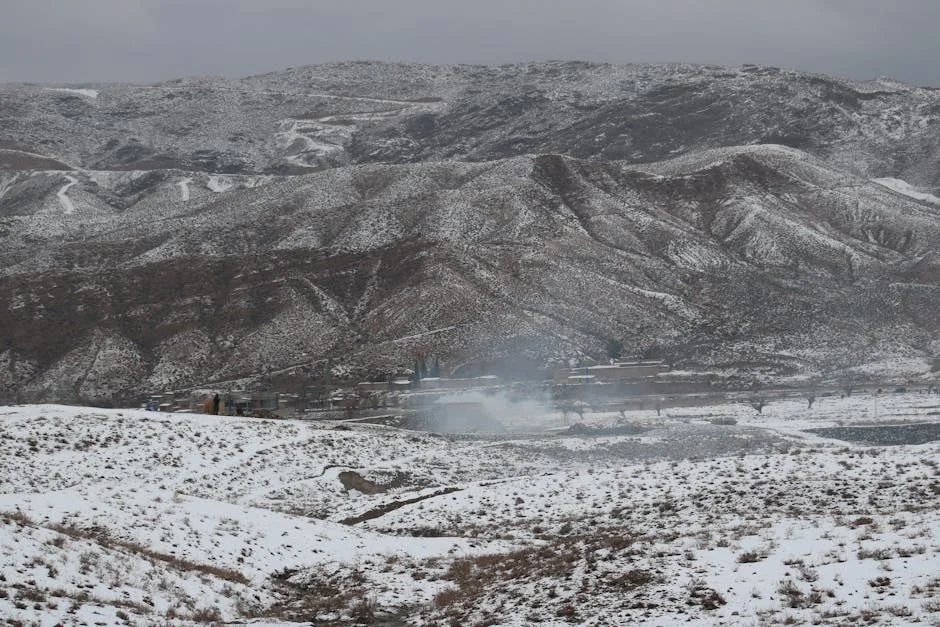
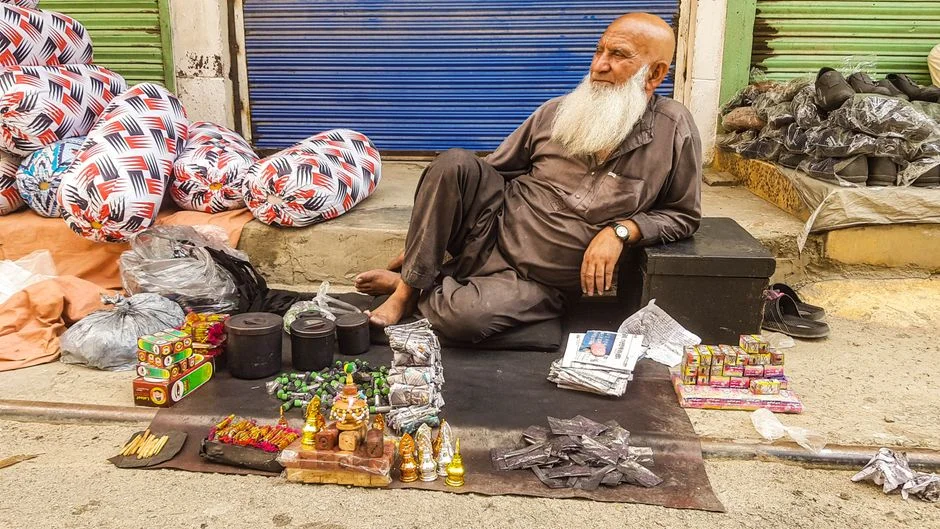
Afghanistan's internal conflict has entered a new phase, with tensions escalating between rival factions. This ongoing turmoil has significant repercussions for Pakistan's economy, affecting trade routes, investments, and the stability of the region. As clashes continue to be reported, businesses in both countries are bracing for potential consequences.
Conflict Dynamics in Afghanistan
Since the Taliban regained power in August 2021, Afghanistan has experienced relentless violence. Reports indicate that around 1,000 civilians were killed in acts of violence between January and September 2023 alone. The situation is complicated by the presence of various militias and foreign influences, particularly from China, which has shown growing interest in Afghanistan's mineral wealth.
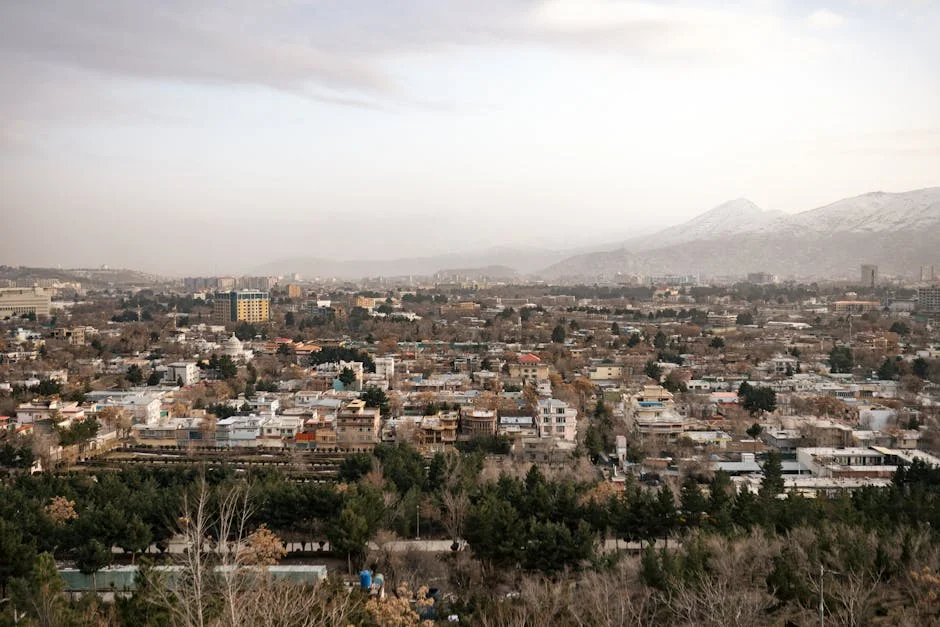
Afghanistan's political landscape is fractious, with the Taliban struggling to maintain control. Internal conflicts, coupled with external pressures, have created an unstable environment that fosters violence and economic stagnation. This instability directly affects neighbouring Pakistan, which shares a long border and has deep economic ties with Afghanistan.
Economic Implications for Pakistan


The escalation of conflict in Afghanistan poses a significant risk to Pakistan’s economy. Trade routes that run through Afghanistan are essential for the movement of goods, with exports valued at approximately $2 billion annually. However, violence disrupts these routes, leading to increased costs and delays for businesses on both sides of the border.
Additionally, the influx of Afghan refugees fleeing violence places further strain on Pakistan's resources. Pakistan's Ministry of Refugees has reported that as of late 2023, over 1.5 million Afghan refugees have sought asylum, adding pressure to local economies. This situation may lead to increased unemployment and social unrest in regions already struggling financially.
Investor Sentiment and Market Reactions
Investor sentiment towards Pakistan has soured due to the escalating conflict in Afghanistan. The Karachi Stock Exchange saw a decline of 4% in the last month as uncertainties surrounding the regional stability grew. Investors are increasingly cautious, with many reallocating capital to safer markets.
Furthermore, analysts have noted a reduction in foreign direct investment (FDI) in Pakistan. In 2022, FDI was estimated at $1.8 billion, but projections for 2023 suggest a potential decrease of 15% due to rising security concerns. This trend threatens to stifle growth and economic recovery efforts in Pakistan.
China's Role and Strategic Interests
China's growing involvement in the region could reshape the economic landscape. The Chinese government has shown interest in investing in Afghanistan's mineral resources, with estimates suggesting the potential for $1 trillion in untapped resources. However, this investment comes with risks, including security concerns and potential backlash from local populations.
Moreover, China's Belt and Road Initiative (BRI) seeks to enhance infrastructure connectivity, which could indirectly benefit Pakistan. However, the ongoing conflict poses a significant challenge to these ambitions. Any disruption could delay projects and deter prospective investments from China.
What to Watch for Next
As Afghanistan continues to grapple with internal strife, the socio-economic impacts on Pakistan will likely intensify. Businesses should prepare for ongoing disruptions in trade and increasing costs. Policymakers must also consider strategies to address the refugee crisis and its implications for local economies.
Looking ahead, the international community's response will be crucial. Attention will focus on diplomatic efforts aimed at stabilising Afghanistan and mitigating its adverse effects on Pakistan. Key developments in the region will be closely monitored, as they could shape the future of both countries.
Frequently Asked Questions
What is the latest news about afghanistans ongoing conflict triggers economic strain in pakistan?
Afghanistan's internal conflict has entered a new phase, with tensions escalating between rival factions.
Why does this matter for politics-governance?
As clashes continue to be reported, businesses in both countries are bracing for potential consequences.Conflict Dynamics in AfghanistanSince the Taliban regained power in August 2021, Afghanistan has experienced relentless violence.
What are the key facts about afghanistans ongoing conflict triggers economic strain in pakistan?
The situation is complicated by the presence of various militias and foreign influences, particularly from China, which has shown growing interest in Afghanistan's mineral wealth.Afghanistan's political landscape is fractious, with the Taliban strugg
In 2022, FDI was estimated at $1.8 billion, but projections for 2023 suggest a potential decrease of 15% due to rising security concerns. Investors are increasingly cautious, with many reallocating capital to safer markets.Furthermore, analysts have noted a reduction in foreign direct investment (FDI) in Pakistan.