India's government condemned a recent joint statement issued by Pakistan and China regarding Jammu and Kashmir on Thursday, prompting a sharp response from New Delhi concerning the China-Pakistan Economic Corridor (CPEC). Indian External Affairs Ministry spokesperson, Randhir Jaiswal, reaffirmed India’s claim over the region, indicating that the CPEC, which traverses parts of Kashmir, compromises its sovereignty.
Impact on Diplomatic Relations
This altercation marks another chapter in the long-standing tension between India and Pakistan, with China increasingly siding with Islamabad. India accuses both nations of attempting to undermine its territorial integrity. Jaiswal stated, "The CPEC is an illegal project that traverses Indian territory, and we do not recognise it." This statement reflects India's ongoing commitment to its territorial claims and raises the stakes in an already fraught geopolitical theatre.
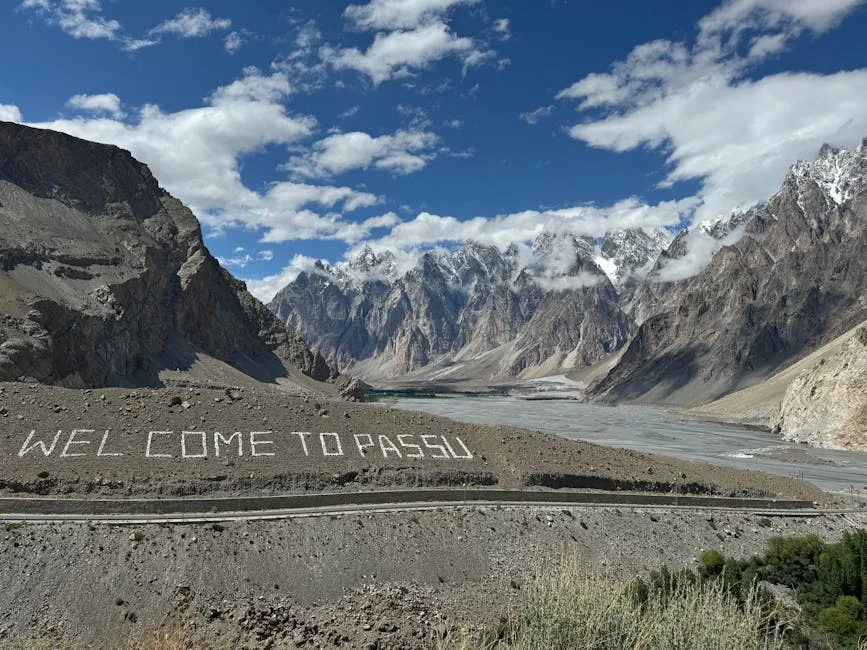
The repercussions could ripple through diplomatic channels, as India is likely to intensify its diplomatic efforts to counter China's growing influence in the region. This situation is particularly concerning for nations like Singapore, given its robust trade links with both India and China. Investors may need to recalibrate their strategies in light of these developments.
Economic Ramifications of Heightened Tensions


Economic analysts warn that increased tensions could impact business operations across South Asia, particularly for companies involved in the region's infrastructure projects. The ongoing disputes over Kashmir could disrupt logistics and transport links essential for trade. If tensions escalate, businesses may face challenges in securing contracts and financing, particularly in sectors tied to Chinese investment in Pakistan.
In the past, conflicts between these nations have led to fluctuating stock markets, and analysts are closely monitoring the situation. Companies with interests in the region might see volatility in stock prices, as investors react to geopolitical risks. For example, the Indian stock market could face downward pressure if tensions escalate significantly.
China’s Growing Influence in South Asia
China's investment through the CPEC, valued at approximately $62 billion, aims to enhance connectivity between China and the Arabian Sea, facilitating trade routes. However, this project has faced consistent opposition from India, which views it as an encroachment on its sovereignty. The deepening relationship between Pakistan and China has significant implications for regional stability and economic development.
China's ambitions in South Asia, especially with its Belt and Road Initiative, make it a critical player in the economic landscape of the region. As tensions flare, businesses and investors must stay informed about the changing dynamics that could affect future investment opportunities.
Market Reactions and Investment Perspectives
Financial markets remain sensitive to geopolitical tensions. Investors reacted swiftly to India's condemnation with a slight dip in local stocks. Analysts expect more volatility as news related to India-Pakistan relations evolves. The Singapore Exchange, which has been a hub for investors interested in Indian markets, will likely see increased trading activity as investors recalibrate their outlook based on these developments.
For businesses operating in or planning to enter South Asia, understanding the implications of these geopolitical tensions is essential. Companies might need to reassess their risk management strategies to safeguard against potential disruptions.
What Lies Ahead
As India continues to assert its stance against Chinese involvement in Kashmir, observers will be watching closely for any escalations in rhetoric or military posturing. Upcoming diplomatic talks between India and its neighbours could provide some clarity on future relations.
Investors should monitor developments in the region and consider the potential for increased volatility in both local and international markets. With significant infrastructure investments at stake, the economic ramifications of this conflict may unfold in the coming months, affecting businesses and investors alike.
See Also
- Trump’s Taiwan Call Triggers Market Jitters and Beijing’s Trade Retaliation
- Iran Warns US of 'Gates of Hell' as Tensions Rise in Hormuz
What is the latest news about india slams chinapakistan statement on kashmir markets brace for turmoil?
Why does this matter for politics-governance?
What are the key facts about india slams chinapakistan statement on kashmir markets brace for turmoil?