Indian researchers have identified a new species of algae in the Western Ghats, a biodiversity hotspot that stretches along the western coast of India. The discovery, led by Group Captain Shubhanshu Shukla, adds to the growing list of biological assets in one of the world’s most biologically diverse regions. This finding is not merely a botanical curiosity; it signals potential economic value for biotech firms, pharmaceutical companies, and sustainable agriculture investors watching the Indian market.
Discovery Details and Scientific Context
The new species has been classified under the genus *Interfilum*. This identification marks a concrete addition to the taxonomic record of the Western Ghats, which is recognized by UNESCO as a World Heritage Site due to its high levels of endemism. Group Captain Shubhanshu Shukla, who spearheaded the research effort, worked with a team of botanists and marine biologists to confirm the distinct genetic and morphological traits of the algae.
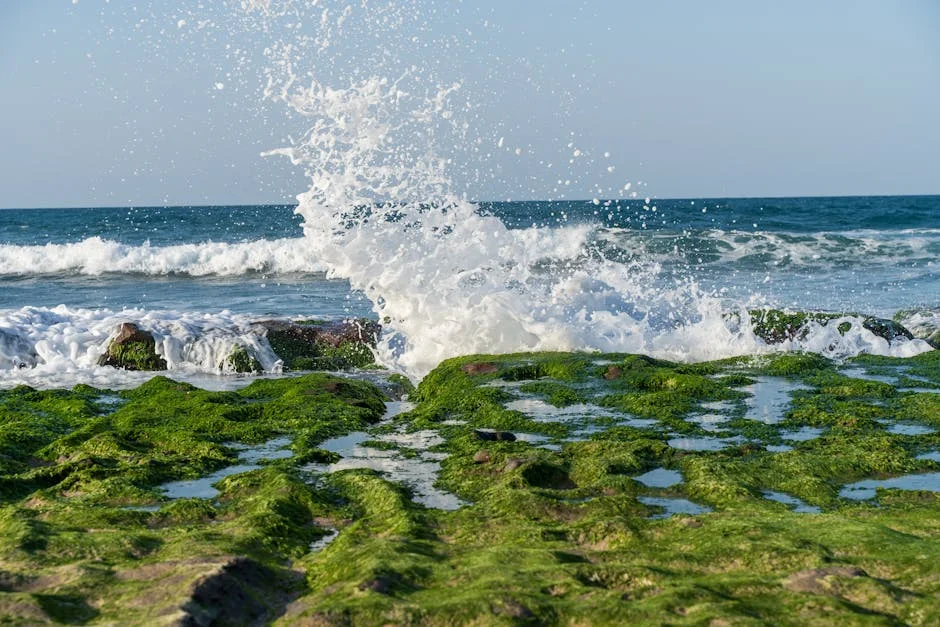
The Western Ghats are home to nearly 7,000 species of flowering plants, 139 species of mammals, and 508 species of birds. Adding another layer to this ecological complexity increases the region's appeal for scientific exploration. Researchers have long viewed the area as a living laboratory for evolutionary biology, and each new species discovered helps refine our understanding of how life adapts to specific microclimates.
Market Implications for Biotechnology


The identification of *Interfilum* could open new avenues for the biotechnology sector. Algae are increasingly valued for their bioactive compounds, which can be extracted for use in pharmaceuticals, cosmetics, and nutraceuticals. Investors in the life sciences sector are closely monitoring such discoveries, as they often precede patent filings and product launches that can drive revenue growth.
Pharmaceutical companies in India and beyond are scanning the Western Ghats for new leads. The region's unique flora and fauna have already yielded several medicinal plants that are now staples in both traditional Ayurvedic medicine and modern drug formulations. The new algal species may contain unique proteins or lipids that could be harnessed for drug delivery systems or as anti-inflammatory agents, creating a new asset class for biotech firms.
Investment Opportunities in Algal Biotech
Algal biotech is a rapidly growing market, with global valuations expected to reach significant heights in the next decade. The discovery of *Interfilum* adds a specific asset to this portfolio, potentially attracting venture capital and private equity firms looking for early-stage biological assets. Companies that secure exclusive rights to cultivate or extract compounds from this algae could see a competitive edge in the global market.
Singapore-based investors and businesses, in particular, are well-positioned to capitalize on this discovery. As a regional hub for biotech and life sciences, Singapore has strong trade and research ties with India. Firms in Singapore can leverage these connections to form joint ventures with Indian research institutions, facilitating the commercialization of *Interfilum* and other biological discoveries from the Western Ghats.
Impact on Sustainable Agriculture
Beyond pharmaceuticals, algae have significant applications in sustainable agriculture. They are used as biofertilizers, biopesticides, and soil conditioners, helping to reduce the dependency on chemical inputs. The new *Interfilum* species could offer unique benefits, such as improved nitrogen fixation or enhanced drought resistance, making it an attractive candidate for agricultural biotech firms.
India is one of the largest producers and consumers of agricultural products in the world. Improving crop yields and sustainability through the use of algal-based products could have a substantial impact on the country’s agricultural sector. This, in turn, would affect global commodity markets, as changes in Indian agricultural output can influence prices for crops like rice, wheat, and coffee.
Economic Benefits for Local Communities
The discovery also has direct economic implications for local communities in the Western Ghats. Biodiversity hotspots often rely on ecotourism and agroforestry for their livelihoods. The identification of a new species can boost the region’s profile, attracting more tourists, researchers, and investors. This influx of economic activity can create jobs and stimulate local businesses, from hospitality to transportation.
Local farmers and gatherers may also benefit from the commercialization of *Interfilum*. If the algae is found to have valuable properties, local communities could be involved in its cultivation or harvesting, creating a new source of income. This approach aligns with the concept of benefit-sharing in biodiversity conservation, where local populations receive a fair share of the economic gains from the biological resources they help preserve.
Challenges and Conservation Concerns
Despite the economic potential, the discovery of *Interfilum* also highlights the fragility of the Western Ghats’ ecosystem. The region faces threats from deforestation, urbanization, and climate change. Ensuring the sustainable use of new biological assets requires careful planning and robust conservation strategies. Investors and businesses must consider the environmental impact of their activities to avoid depleting the very resources they seek to exploit.
Regulatory frameworks in India are evolving to address these challenges. The Biological Diversity Act and other policies aim to balance economic development with conservation goals. Companies looking to commercialize *Interfilum* will need to navigate these regulations, securing permits and engaging with local stakeholders. This process can be time-consuming but is essential for long-term sustainability and market acceptance.
Global Biodiversity and Economic Trends
The discovery of *Interfilum* fits into a broader global trend of increasing recognition of biodiversity’s economic value. Nations and corporations are beginning to see biological assets as critical components of their balance sheets. This shift is driven by the need for new raw materials, the search for sustainable solutions, and the growing consumer demand for eco-friendly products.
International markets are also taking note. The Western Ghats is one of the world’s six “hotspot” regions of biodiversity, and its discoveries have global relevance. Researchers and investors from Europe, North America, and Asia are keen to tap into the region’s biological wealth. This global interest can drive up the value of Indian biological assets, attracting foreign direct investment and fostering international research collaborations.
What to Watch Next
Investors and market observers should monitor the publication of detailed scientific papers on *Interfilum*. These publications will provide crucial data on the algae’s genetic makeup and potential applications, guiding further investment decisions. Additionally, watch for patent filings by Indian and international biotech firms, which will signal the commercialization timeline for this new species.
The next major milestone will be the announcement of any joint ventures or research grants focused on *Interfilum*. These developments will indicate the level of institutional and financial commitment to the species. As the biotech sector continues to grow, the commercialization of *Interfilum* could become a case study in how biodiversity discoveries translate into economic value, offering lessons for investors and policymakers alike.
See Also
- Queen Of The South FC Survival Signals Market Resilience
- UK Property Boom Triggers $17,000km Migration Wave