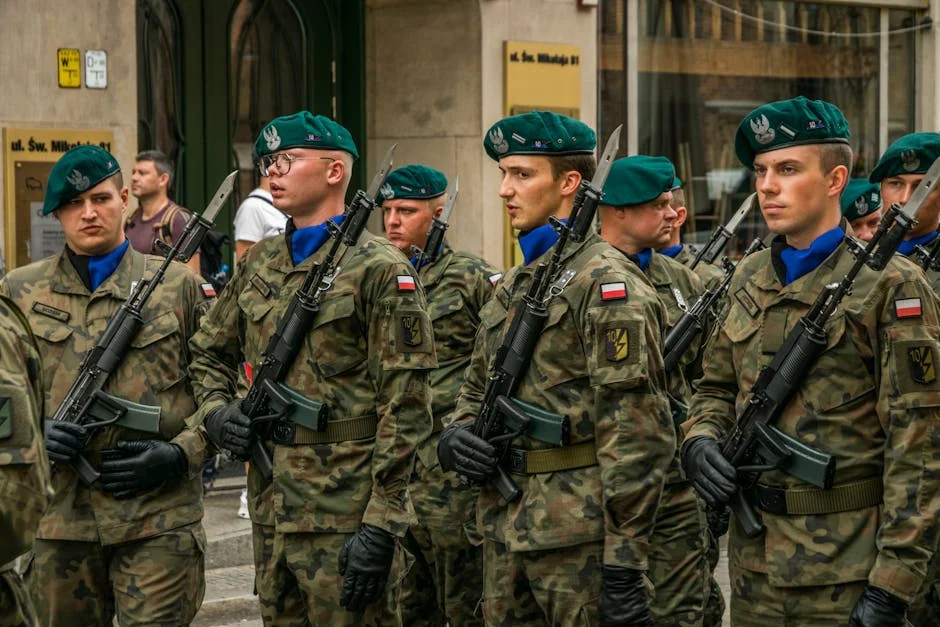
Singaporean medical professionals are deploying into some of the world’s most volatile conflict zones, revealing the intricate economic links between global instability and local market dynamics. Dr Lim Chin Siah, a specialist from Singapore, is currently treating patients in Gaza and Sudan, highlighting how geopolitical fractures directly impact supply chains and healthcare costs. These deployments are not merely humanitarian efforts; they serve as real-time indicators of how war disrupts trade, inflates prices, and strains the financial resources of nations like Singapore.
The Economic Reality of Conflict Zones
War does not just destroy infrastructure; it reshapes the economic landscape of entire regions. In Gaza, the cost of basic goods has skyrocketed, creating a ripple effect that eventually reaches global markets. Singapore, as a major trade hub, feels these shocks through fluctuating oil prices and shifting demand for imported commodities. The presence of Singaporean doctors in these zones offers a unique perspective on the immediate economic consequences of prolonged conflict.
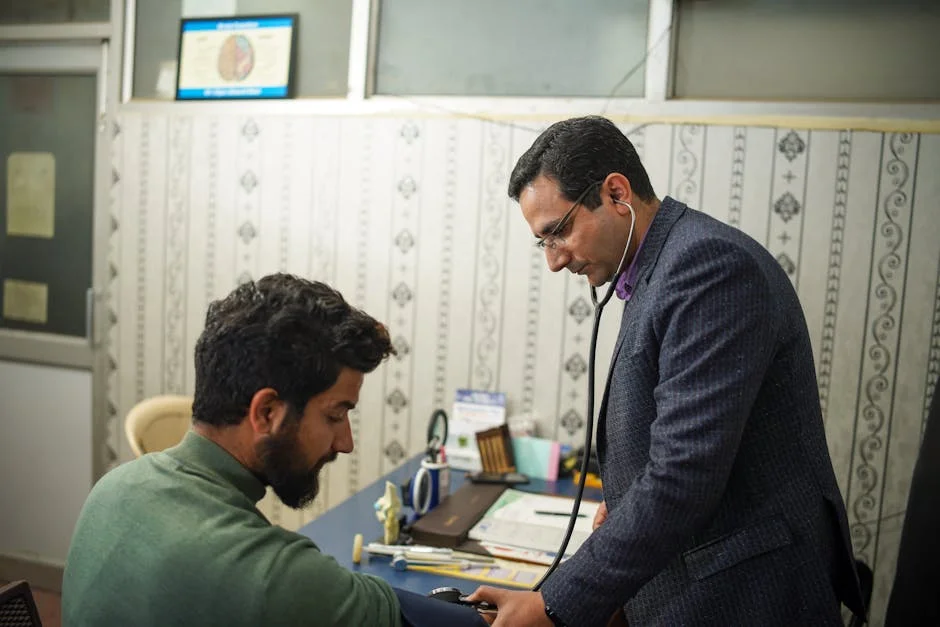
Dr Lim Chin Siah’s work in Gaza involves more than just treating physical wounds; it requires navigating an economy in flux. Hospitals in Gaza face severe shortages of medical supplies, which drives up costs for international aid organizations. This scarcity is not isolated; it reflects broader supply chain disruptions that affect global pricing. For Singaporean businesses, understanding these disruptions is crucial for anticipating changes in import costs and consumer prices.
The economic impact extends beyond immediate medical needs. In Sudan, the ongoing conflict has disrupted agricultural production, affecting global food prices. Singapore imports a significant portion of its food, making it vulnerable to these external shocks. The work of organizations like Doctors Without Borders helps stabilize local economies by providing essential services, but the broader economic implications remain complex. Investors and businesses must monitor these developments to adjust their strategies accordingly.
Market Implications for Singapore
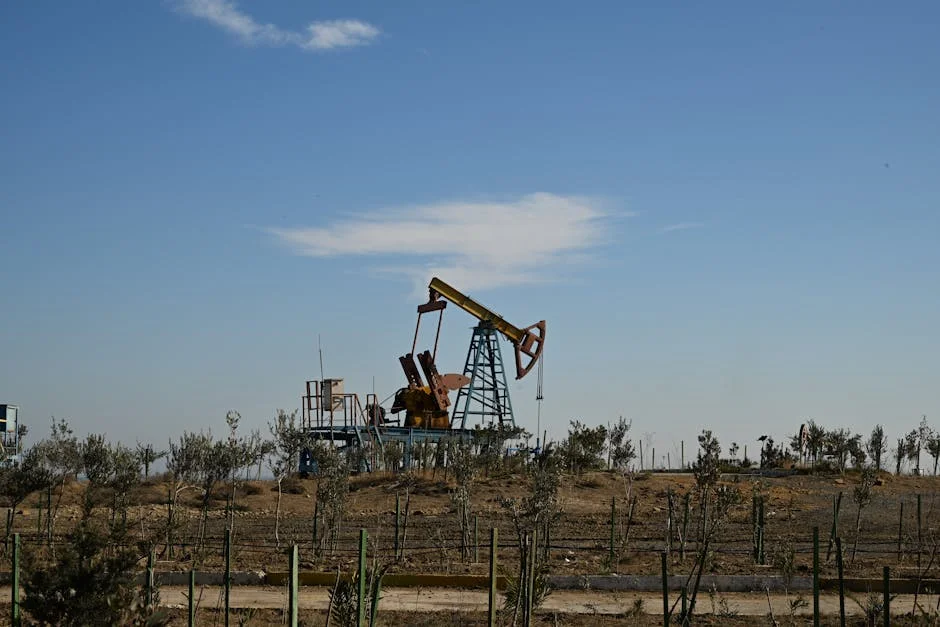

Singapore’s economy is highly sensitive to global events, and the conflicts in Gaza and Sudan are no exception. The disruption of trade routes and the inflation of commodity prices directly impact Singapore’s cost of living. Businesses that rely on imports from these regions face increased costs, which may be passed on to consumers. This dynamic creates a challenging environment for both investors and households.
The role of Singaporean professionals in these conflict zones also highlights the importance of soft power in economic diplomacy. By deploying experts like Dr Lim Chin Siah, Singapore strengthens its ties with key regions, potentially opening up new opportunities for trade and investment. However, these opportunities come with risks, including political instability and currency fluctuations. Companies must carefully assess these risks before expanding their operations in these areas.
Furthermore, the economic data from these conflict zones provides valuable insights for financial markets. Analysts are closely monitoring the inflation rates in Gaza and Sudan to predict trends in global commodity prices. This information is crucial for Singaporean investors who are looking to diversify their portfolios. Understanding the economic realities of these regions allows for more informed decision-making and risk management.
Supply Chain Disruptions and Local Prices
The disruption of supply chains in Gaza and Sudan has a direct impact on local prices in Singapore. For example, the price of wheat and other agricultural products has risen due to the conflict in Sudan. This increase is reflected in the cost of bread and other staples in Singaporean supermarkets. Consumers are feeling the pinch, which affects their spending patterns and overall economic behavior.
Businesses in Singapore are adapting to these changes by diversifying their supply chains and seeking alternative sources for key commodities. This strategy helps mitigate the risk of price volatility and ensures a more stable supply of goods. However, it also requires significant investment and strategic planning. Companies that fail to adapt may face higher costs and reduced competitiveness in the market.
The economic consequences of these conflicts are not limited to the immediate region. They have far-reaching effects on global trade and finance. Singapore, as a key player in the global economy, must remain vigilant and responsive to these changes. By understanding the economic realities of conflict zones, Singapore can better position itself to navigate the challenges and opportunities that arise.
The Role of Doctors Without Borders
Doctors Without Borders plays a critical role in stabilizing economies in conflict zones by providing essential healthcare services. In Gaza, the organization helps to reduce the burden on local hospitals, which are often overwhelmed by the influx of patients. This support is crucial for maintaining the economic productivity of the region, as a healthy workforce is essential for economic growth. However, the funding for these operations is often volatile, reflecting the broader economic instability of the region.
The work of Doctors Without Borders also has implications for Singapore’s healthcare sector. Singaporean doctors who work with the organization gain valuable experience in resource-constrained environments, which can inform improvements in local healthcare delivery. This knowledge transfer can lead to more efficient and cost-effective healthcare solutions in Singapore. Additionally, the organization’s presence in conflict zones helps to maintain a degree of economic stability, which benefits international partners like Singapore.
However, the economic impact of Doctors Without Borders is not always straightforward. The organization’s reliance on international donations means that its operations are subject to fluctuations in global economic conditions. In times of economic uncertainty, funding for humanitarian efforts may decrease, affecting the quality and quantity of services provided. This dynamic creates a challenge for organizations like Doctors Without Borders, which must balance their humanitarian mission with economic realities.
Investor Perspective on Global Conflicts
For investors, the conflicts in Gaza and Sudan present both risks and opportunities. The disruption of trade routes and the inflation of commodity prices create volatility in financial markets, which can be exploited by savvy investors. However, this volatility also increases the risk of losses, requiring careful risk management. Investors must closely monitor economic data from these regions to make informed decisions about their portfolios.
The economic impact of these conflicts also affects the performance of specific sectors. For example, the energy sector may benefit from rising oil prices, while the consumer goods sector may face headwinds due to increased costs. Investors who understand these dynamics can position themselves to capitalize on the opportunities presented by global conflicts. However, they must also be prepared to adjust their strategies in response to changing economic conditions.
Furthermore, the economic consequences of these conflicts have implications for long-term investment strategies. Investors who are looking to diversify their portfolios may consider investing in regions that are less affected by the conflicts. This strategy helps to mitigate the risk of concentration and ensures a more stable return on investment. However, it also requires a thorough understanding of the economic conditions in these regions.
Sudan’s Economic Crisis and Regional Impact
The economic crisis in Sudan is having a profound impact on the region and beyond. The disruption of agricultural production has led to a surge in food prices, which affects global markets. Singapore, as a major importer of food, is particularly vulnerable to these price increases. The economic instability in Sudan also creates uncertainty for businesses that operate in the region, affecting their profitability and growth prospects.
The conflict in Sudan has also led to a large number of refugees, which creates economic pressures on neighboring countries. These countries may face increased demand for public services and infrastructure, which can strain their economic resources. For Singapore, understanding these regional dynamics is crucial for anticipating changes in global trade and investment patterns. The economic impact of the Sudanese crisis is a reminder of the interconnectedness of the global economy.
Investors and businesses must remain vigilant about the economic developments in Sudan. The situation is likely to evolve rapidly, creating new opportunities and challenges for those who are prepared. By staying informed about the latest news and economic data, stakeholders can make more informed decisions about their investments and business strategies. The economic crisis in Sudan is a complex issue that requires a nuanced understanding of the region’s economic landscape.
Future Outlook and Economic Resilience
As the conflicts in Gaza and Sudan continue to evolve, the economic implications for Singapore will remain a key concern. The resilience of Singapore’s economy will depend on its ability to adapt to changing global conditions. This includes diversifying supply chains, investing in technology, and strengthening economic partnerships. By taking proactive measures, Singapore can mitigate the risks associated with global conflicts and position itself for long-term growth.
The work of Singaporean doctors in these conflict zones will continue to provide valuable insights into the economic realities of war. These insights can inform policy decisions and business strategies, helping Singapore to navigate the challenges of a volatile global economy. The economic impact of these conflicts is a reminder of the importance of global cooperation and economic stability. As stakeholders monitor the situation, they must remain prepared to respond to new developments.
In the coming months, investors and businesses should watch for changes in commodity prices, trade flows, and political developments in Gaza and Sudan. These factors will have a direct impact on Singapore’s economy and financial markets. By staying informed and adaptable, stakeholders can navigate the uncertainties of the global economy and capitalize on emerging opportunities. The economic consequences of these conflicts are far-reaching, requiring a strategic and proactive approach to economic management.
Frequently Asked Questions
What is the latest news about singapore doctor exposes gazas hidden economic cost of war?
Singaporean medical professionals are deploying into some of the world’s most volatile conflict zones, revealing the intricate economic links between global instability and local market dynamics.
Why does this matter for politics-governance?
These deployments are not merely humanitarian efforts; they serve as real-time indicators of how war disrupts trade, inflates prices, and strains the financial resources of nations like Singapore.
What are the key facts about singapore doctor exposes gazas hidden economic cost of war?
In Gaza, the cost of basic goods has skyrocketed, creating a ripple effect that eventually reaches global markets.
Singapore, as a major importer of food, is particularly vulnerable to these price increases. Future Outlook and Economic Resilience As the conflicts in Gaza and Sudan continue to evolve, the economic implications for Singapore will remain a key concern.