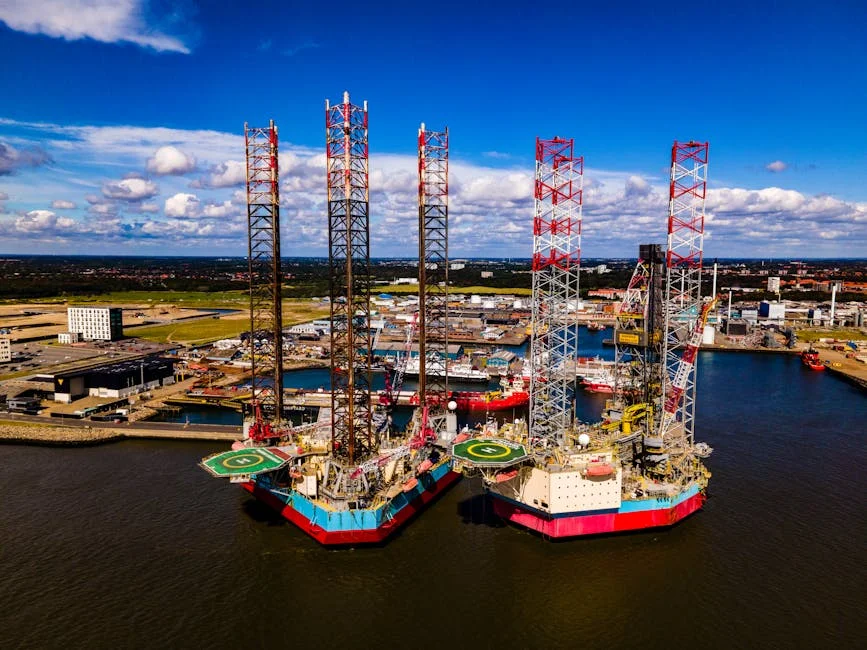
Global oil markets reacted sharply to confirmed reports of supply disruptions near the Strait of Hormuz, sending Brent crude prices higher despite earlier hopes for relief. The development has forced businesses and investors to brace for higher fuel costs that could reignite inflationary pressures. This shift undermines previous economic forecasts and introduces new uncertainty for the global economy.
Market Reaction to Supply Disruptions
The announcement regarding the Strait of Hormuz triggered an immediate rally in energy stocks and commodity futures. Investors are pricing in the risk of reduced throughput through this critical chokepoint, which handles roughly a fifth of global oil consumption. Brent crude surged past key resistance levels, reflecting the market's appetite for risk and the premium placed on supply security.
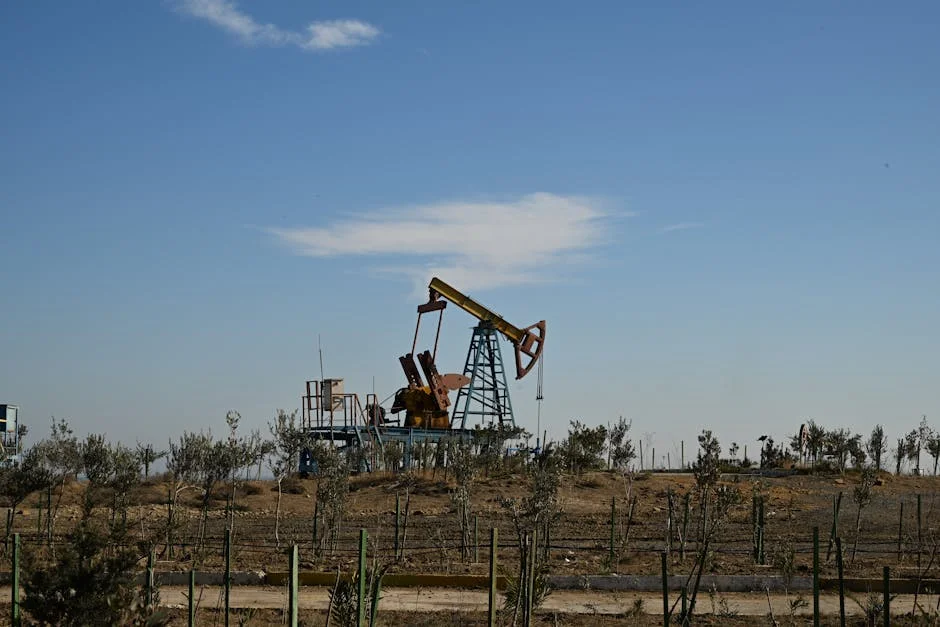
Traders are closely monitoring the geopolitical developments, with volatility indices spiking in response to the news. The uncertainty surrounding the duration of the disruption has led to a "wait and see" approach among some institutional investors. However, the immediate reaction has been a decisive move higher in oil prices, driven by the fear of a sudden supply shock.
Analysts warn that if the situation remains unresolved, prices could climb further, testing the resilience of central bank policies. The interplay between geopolitical risk and monetary policy is becoming increasingly complex. Markets are now looking for clarity on how long the disruption will last and what measures are being taken to mitigate the impact.
Economic Implications for Businesses
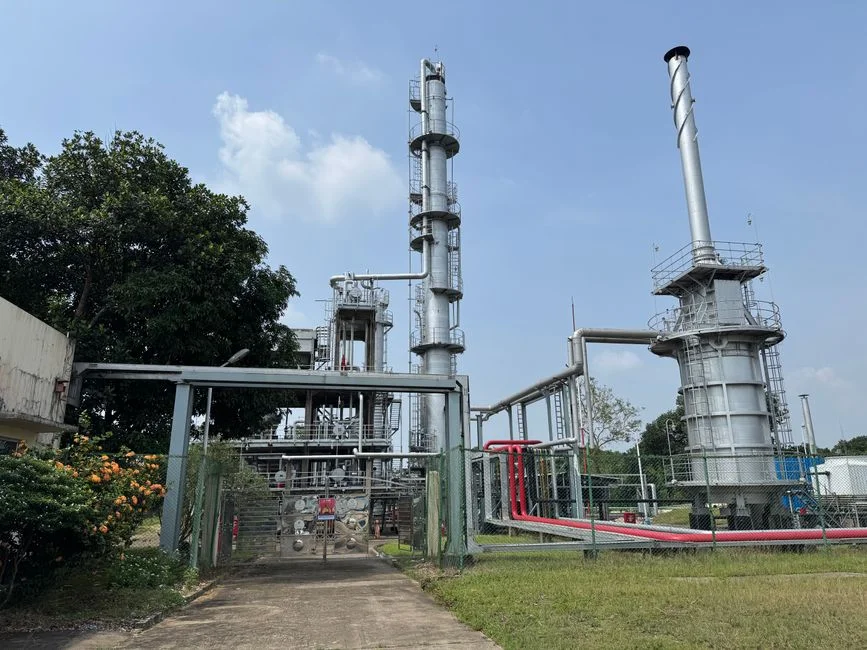

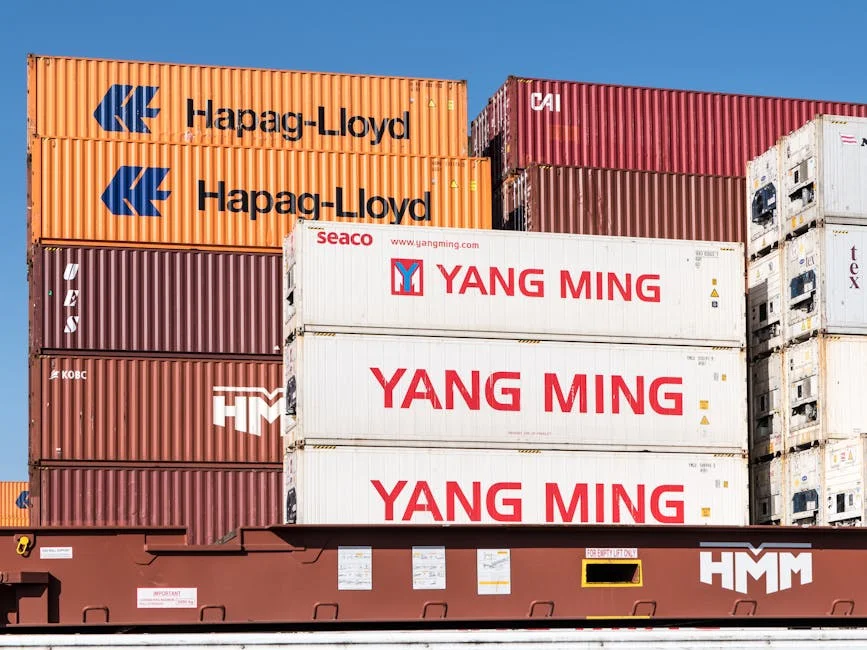
For businesses, the rise in oil prices translates directly into higher operational costs. Transport and logistics companies face immediate pressure as diesel and petrol prices hike, squeezing profit margins. Manufacturers are also feeling the pinch, with raw material costs rising and supply chain delays becoming more frequent.
Impact on Specific Sectors
The aviation industry is particularly vulnerable to fuel price volatility. Airlines may need to pass on costs to consumers through higher ticket prices or absorb the hit through reduced profit margins. This could lead to a slowdown in travel demand, affecting tourism and related service industries.
Retailers are also bracing for higher shipping costs, which could lead to price increases for everyday goods. Consumers may see higher prices at the pump and on their grocery bills. This creates a challenging environment for consumer spending, which is a key driver of economic growth.
Small and medium-sized enterprises (SMEs) often have less pricing power than larger corporations. They may struggle to absorb the increased costs, leading to potential layoffs or reduced expansion plans. The cumulative effect on the broader economy could be a slowdown in investment and consumption.
Investment Perspective and Risk Management
Investors need to reassess their portfolios in light of the new supply constraints. Energy stocks may offer a hedge against inflation, but other sectors like consumer discretionary and industrials could face headwinds. Diversification becomes crucial as market correlations shift in response to the oil price surge.
The confirmed disruption highlights the importance of supply chain resilience. Companies with robust logistics networks and diversified supplier bases may be better positioned to weather the storm. Investors should look for firms with strong balance sheets and the ability to adapt to changing market conditions.
Fixed-income investors may also need to adjust their strategies. Higher oil prices can lead to higher inflation, which erodes the real return on bonds. Central banks may respond by keeping interest rates higher for longer, impacting bond yields and equity valuations.
It is essential to monitor the geopolitical situation closely. Any signs of de-escalation or new supply agreements could lead to a correction in oil prices. Investors should remain agile and ready to pivot as new information emerges from the Strait of Hormuz.
Future Outlook and Key Indicators
The path forward depends on several key factors, including the duration of the disruption and the response from major oil-producing nations. OPEC+ may need to adjust its production strategy to stabilize the market. Investors should watch for announcements from Saudi Arabia and the United Arab Emirates.
Central banks will also play a crucial role in managing the economic impact. The Federal Reserve and the European Central Bank may need to weigh the inflationary pressure from oil against other economic indicators. Their policy decisions will influence market sentiment and asset prices.
Consumers and businesses should prepare for a period of higher energy costs. Budgeting for increased fuel expenses and potential price hikes is advisable. Monitoring weekly oil inventory reports and geopolitical updates will provide valuable insights into the market's direction.
Watch for the next OPEC+ meeting, where production decisions could significantly influence oil prices. Additionally, keep an eye on the US crude stockpile data, which can signal changes in supply and demand dynamics. These indicators will help clarify the extent of the market's adjustment to the new reality.
See Also
- Xi Hosts Putin After Trump Visit — Markets Brace for Shifts
- Israel Appoints Netanyahu Ally as Spymaster Amid Iran Tensions
Future Outlook and Key Indicators The path forward depends on several key factors, including the duration of the disruption and the response from major oil-producing nations. The confirmed disruption highlights the importance of supply chain resilience.