Ghana has officially concluded its three-year Extended Credit Facility (ECF) programme with the International Monetary Fund (IMF), marking a pivotal moment for West Africa’s second-largest economy. The completion of the $3 billion loan agreement signals the end of intense fiscal consolidation measures that have defined Accra’s economic policy since 2022. This development provides immediate clarity for regional investors who have closely monitored Ghana’s debt sustainability and currency stability.
Completion of the Extended Credit Facility
The IMF board approved the completion of the ECF in May 2024, based on Ghana’s adherence to strict performance criteria. The programme was initially launched to stabilize the cedi and restore market confidence following a period of high inflation and rising public debt. Ghana met its key targets, including primary surplus requirements and cedi depreciation limits, which allowed the country to exit the programme ahead of the final review.

This exit removes the immediate conditionality that governed government spending and revenue collection. The Ministry of Finance in Accra can now adjust fiscal policies with greater flexibility, although the underlying debt structure remains a critical factor for credit rating agencies. The completion does not mean the debt is gone; rather, it means Ghana has satisfied the contractual obligations of this specific lending arrangement.
Market Reactions and Investor Sentiment
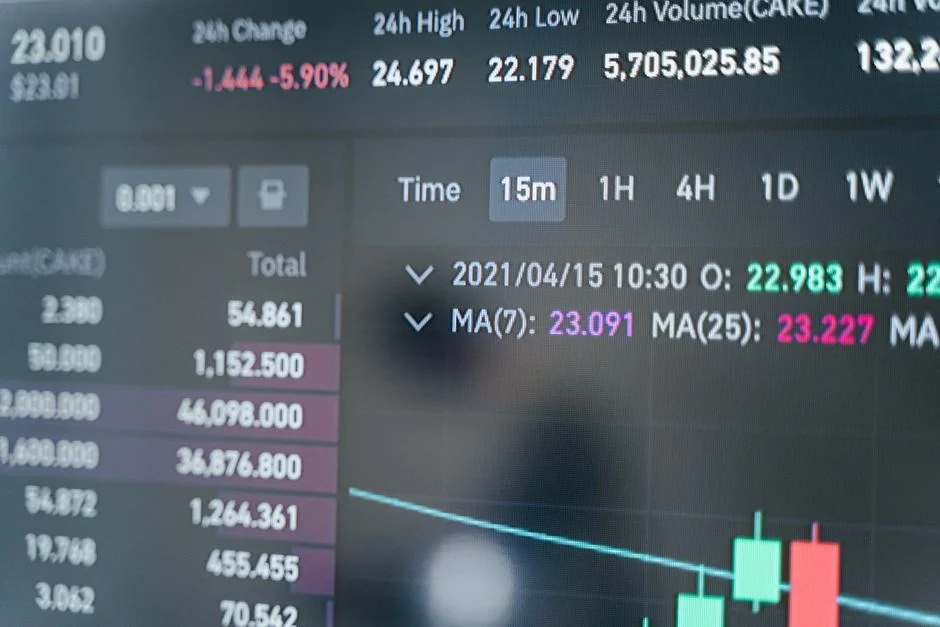
Financial markets responded positively to the news, with the Ghana Stock Exchange seeing gains in key blue-chip stocks. The cedi stabilized against the US dollar in the immediate aftermath, reflecting renewed confidence in the central bank’s management of foreign exchange reserves. Investors view the exit as a vote of confidence in Ghana’s macroeconomic fundamentals, reducing the risk premium associated with holding Ghanaian assets.
Regional investors in Singapore and other Asian financial hubs have shown increased interest in Ghanaian government bonds. The yield on Ghana’s global bonds has adjusted downward, indicating that lenders are demanding less compensation for risk. This trend suggests that Ghana is regaining its status as an emerging market destination for fixed-income investors seeking higher returns than those available in more mature economies.
Impact on Local Business Operations
Local businesses in Accra have experienced reduced pressure from tax hikes that were part of the fiscal consolidation plan. The removal of certain levies allows companies to improve their bottom lines, potentially leading to increased capital expenditure and hiring. Small and medium-sized enterprises, which were heavily impacted by the introduction of the Ghana Revenue Authority’s digital tax systems, are now operating in a slightly more predictable regulatory environment.
However, businesses remain cautious about future policy shifts. The exit from the IMF programme does not guarantee permanent fiscal ease, as the government must still service its substantial debt load. Corporate leaders are watching closely to see if the Ministry of Finance will maintain the austerity measures or introduce new spending initiatives to stimulate growth.
Debt Sustainability and Fiscal Policy
Ghana’s public debt stands at approximately 80% of its GDP, a level that requires careful management to avoid another crisis. The completion of the ECF programme provides a window of opportunity to restructure the remaining debt, particularly the eurobond holdings. The government has indicated that it will continue to engage with creditors to extend maturities and reduce interest costs.
Fiscal policy will now focus on revenue mobilization and expenditure efficiency. The Ministry of Finance has emphasized the need to broaden the tax base without overburdening the private sector. This approach aims to generate sustainable revenue streams that can support public services while keeping the primary surplus at a manageable level. The challenge lies in balancing growth with fiscal discipline.
Monetary Policy and Inflation Trends
The Bank of Ghana has maintained a relatively tight monetary policy to keep inflation in check. Inflation rates have fallen from their peak of over 50% in 2022 to more moderate levels, although they remain higher than the central bank’s target. The completion of the IMF programme allows the central bank to adjust interest rates with more independence, responding to domestic economic conditions rather than strict IMF prescriptions.
Interest rates in Accra have begun to ease, providing relief for borrowers in the corporate and household sectors. Lower borrowing costs can stimulate investment and consumption, contributing to economic growth. However, the central bank must remain vigilant against external shocks, such as fluctuations in global oil prices or changes in US Federal Reserve policy, which can impact the cedi and inflation.
Regional Economic Implications
Ghana’s successful exit from the IMF programme has positive spillover effects for the broader West African region. Neighboring countries, such as Nigeria and Côte d’Ivoire, are watching Ghana’s trajectory as a model for economic reform. The stability in Accra can enhance regional trade and investment flows, as businesses feel more confident about the economic environment in the Gulf of Guinea.
The Economic Community of West African States (ECOWAS) may see increased integration efforts, with Ghana playing a leading role in coordinating monetary and fiscal policies. This regional cooperation can help mitigate external shocks and improve the collective bargaining power of West African nations in global markets. Investors in Singapore and beyond are likely to view the region as a more cohesive and attractive investment destination.
Future Challenges and Policy Priorities
Despite the positive developments, Ghana faces several challenges that require attention. The country must continue to improve its governance and institutional frameworks to ensure the effective implementation of economic policies. Corruption control and public financial management remain critical areas for reform to maintain investor confidence and ensure that resources are used efficiently.
Additionally, Ghana needs to diversify its economy to reduce dependence on commodity exports, particularly cocoa and gold. Investing in sectors such as manufacturing, services, and technology can create new sources of growth and employment. The government has outlined plans to boost private sector participation through public-private partnerships and incentives for foreign direct investment.
Investment Opportunities for SG Readers
For investors in Singapore, Ghana’s economic stabilization presents new opportunities for diversification. The country offers attractive yields on government bonds and potential for growth in equity markets. Singapore-based financial institutions have been increasing their exposure to Ghanaian assets, recognizing the potential for long-term returns. This trend is likely to continue as Ghana’s economic outlook improves.
Corporate investors from Singapore can explore partnerships with Ghanaian firms in sectors such as infrastructure, energy, and consumer goods. The growing middle class in Accra creates a robust market for imported goods and services. Singapore companies with expertise in logistics, finance, and technology can find synergies with local businesses, leveraging Ghana’s strategic location in West Africa.
The completion of the IMF programme is a milestone, but it is not the end of the journey. Ghana must continue to implement structural reforms and maintain fiscal discipline to sustain its economic recovery. Investors should monitor upcoming policy announcements and economic data releases to gauge the trajectory of Ghana’s economy. The next few months will be critical in determining whether Ghana can translate this short-term success into long-term prosperity.
See Also
- Porto Halts Wheat Imports Amid Currency Crisis — and Prices Are Already Rising
- Tulsi Gabbard Under Fire Over Iran Nuclear Claims, Spooking Markets
However, the central bank must remain vigilant against external shocks, such as fluctuations in global oil prices or changes in US Federal Reserve policy, which can impact the cedi and inflation. Corruption control and public financial management remain critical areas for reform to maintain investor confidence and ensure that resources are used efficiently.
What is the latest news about ghana exits imf bailout markets react to new fiscal freedom?
Why does this matter for economy-business?
What are the key facts about ghana exits imf bailout markets react to new fiscal freedom?