Nigeria’s President Bola Tinubu has approved the establishment of a new police academy campus and a ₦15 billion take-off grant, marking a key step in the country’s security reform agenda. The move comes as the government seeks to modernise law enforcement amid rising concerns over crime and public safety. The initiative, announced by the Ministry of Police Affairs, aims to enhance training and operational capacity for officers across the nation.
The Financial Commitment and Its Implications
The ₦15 billion funding package, approved in late 2024, is intended to support the construction of a new training facility in Abuja, the capital city. The project is expected to create thousands of jobs during its implementation phase and provide long-term employment for instructors and administrative staff. This investment reflects the government’s focus on infrastructure development as part of its broader economic strategy.
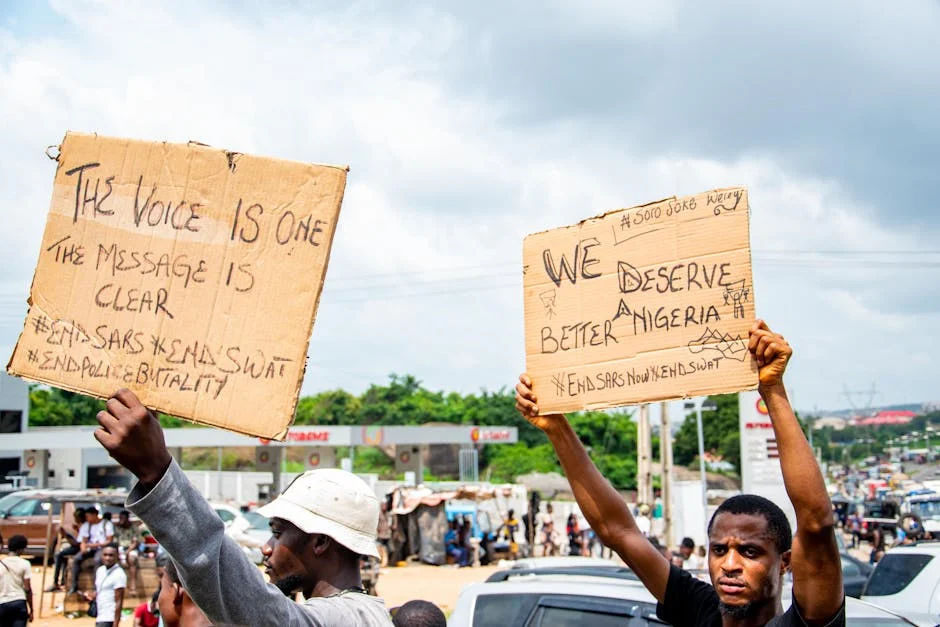
The allocation of such a large sum to the police sector has drawn mixed reactions from economic analysts. While some argue that improved policing can reduce crime and boost investor confidence, others warn that the funds could be better spent on healthcare or education. “The police academy is a necessary investment, but the government must ensure that this spending does not divert resources from other critical sectors,” said Dr. Adebayo Adeyemi, an economist at the University of Ibadan.
Impact on Businesses and Investors


For businesses, the expansion of the police academy could signal a shift in government priorities. Improved security may lead to a more stable operating environment, particularly in commercial hubs like Lagos and Abuja. However, the allocation of public funds to law enforcement has raised concerns about fiscal discipline, especially in a country where inflation remains above 25% and the naira continues to depreciate.
Investors have responded cautiously to the announcement. While some see it as a step toward better governance, others remain skeptical. “The real test will be whether this investment translates into measurable improvements in public safety and efficiency,” said Linda Nwosu, a financial analyst at Zenith Capital. “Until we see tangible results, the market will remain cautious.”
Political and Social Reactions
The decision has also sparked debate among political leaders and civil society groups. Some members of the National Assembly have praised the initiative, calling it a necessary step to combat rising crime rates. Others, however, have raised concerns about transparency and accountability in the use of public funds. “We need to ensure that this money is not misused or siphoned off by corrupt officials,” said Senator Chukwuma Okorie, a member of the Budget Committee.
Civil society organisations have called for greater oversight of the project. “The police academy should be a model of efficiency and transparency,” said Nia Okafor, a spokesperson for the Citizens’ Rights Forum. “We will be monitoring the implementation closely to ensure that the public’s money is spent wisely.”
Regional and National Context
The new police academy is part of a broader push to reform Nigeria’s security apparatus, which has faced criticism for its handling of communal violence, kidnappings, and insurgency in the north. The government has also announced plans to modernise the National Security Service and increase the number of police officers across the country. These steps are seen as part of a long-term effort to restore public trust in law enforcement.
Regionally, the initiative aligns with Nigeria’s role as a regional leader in West Africa. Improved security in the country could have a ripple effect on neighbouring states, many of which also face similar challenges. However, the success of the project will depend on how well it is executed and whether it addresses the root causes of insecurity.
What to Watch Next
The next major milestone for the project is the completion of the Abuja campus, which is expected to be ready by 2026. The government has also promised to release detailed reports on how the ₦15 billion grant is spent. Investors and analysts will be closely monitoring these developments, as they could influence broader perceptions of Nigeria’s economic and political stability.
For businesses operating in Nigeria, the outcome of this initiative could have a direct impact on their operations. A more effective and transparent police force may lead to a more predictable business environment, while continued mismanagement could deter foreign investment. As the project moves forward, the focus will be on whether it delivers on its promises or becomes another symbol of bureaucratic inefficiency.
See Also
- Malema's Court Case Sparks Market Uncertainty in Johannesburg
- Celtic FC Halts Transfer for NG Amid Financial Audit
What is the latest news about nigeria approves police academy expansion amid economic uncertainty?
Why does this matter for economy-business?
What are the key facts about nigeria approves police academy expansion amid economic uncertainty?