DONALD TRUMP arrived in Beijing to a spectacle of red carpets and roaring applause, but the economic reality facing global investors is far more complex than the fanfare suggests. The former US President’s visit signals a potential reset in trans-Pacific trade, yet the underlying tariff structures and supply chain vulnerabilities remain largely untested. Markets in Singapore and across Asia reacted with cautious optimism, but the shadow of a renewed trade war continues to loom over corporate balance sheets.
Market Reaction to the Diplomatic Thaw
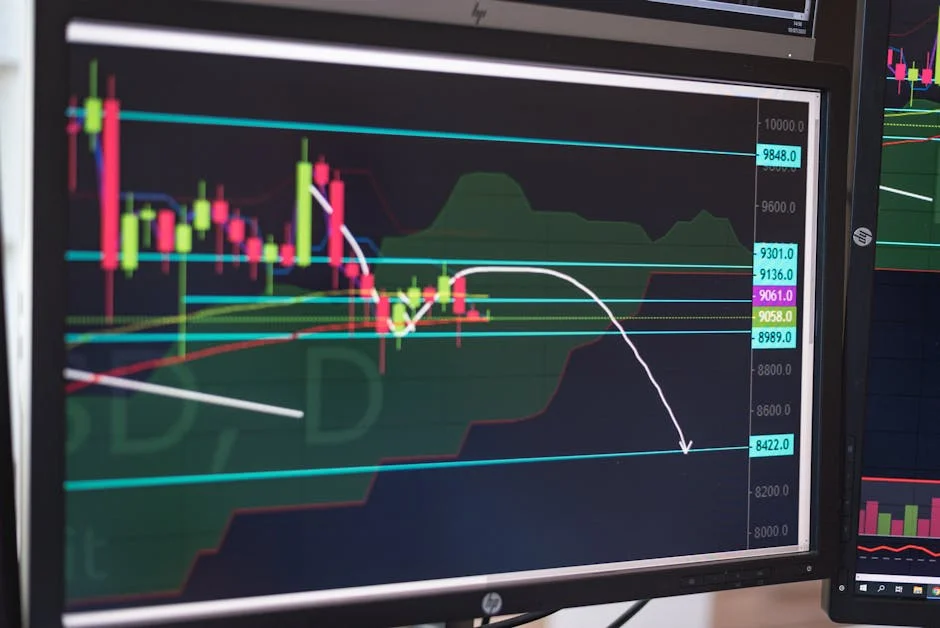
Financial markets interpreted the warm reception in Beijing as a temporary de-escalation of geopolitical tensions. The Hang Seng Index in Hong Kong rose by 1.2% on the news, while Singapore’s Straits Times Index climbed 0.8%, reflecting investor relief. However, this rally was not uniform. Technology stocks, which have historically been the primary targets of US protectionism, saw mixed signals. Apple shares dipped slightly as analysts questioned whether new export controls would survive a second Trump administration.

Investors are closely watching the currency markets for early indicators of trade policy shifts. The US dollar strengthened against the Chinese Yuan, suggesting that markets anticipate a stronger US monetary stance. This currency dynamic is critical for multinational corporations operating in both regions. A stronger dollar increases the cost of imports for American consumers, potentially fueling inflation if tariffs are reintroduced. Conversely, a weaker Yuan makes Chinese exports more competitive, potentially squeezing profit margins for Asian manufacturers.
The immediate market response highlights a key uncertainty: investors are pricing in peace, but they are hedging for war. Volatility indices in Asia remained elevated, indicating that while the diplomatic handshake is genuine, the economic handshake is still tentative. Businesses are waiting for concrete policy announcements rather than relying on the symbolic weight of a red carpet welcome.
Trade Policies and Tariff Threats

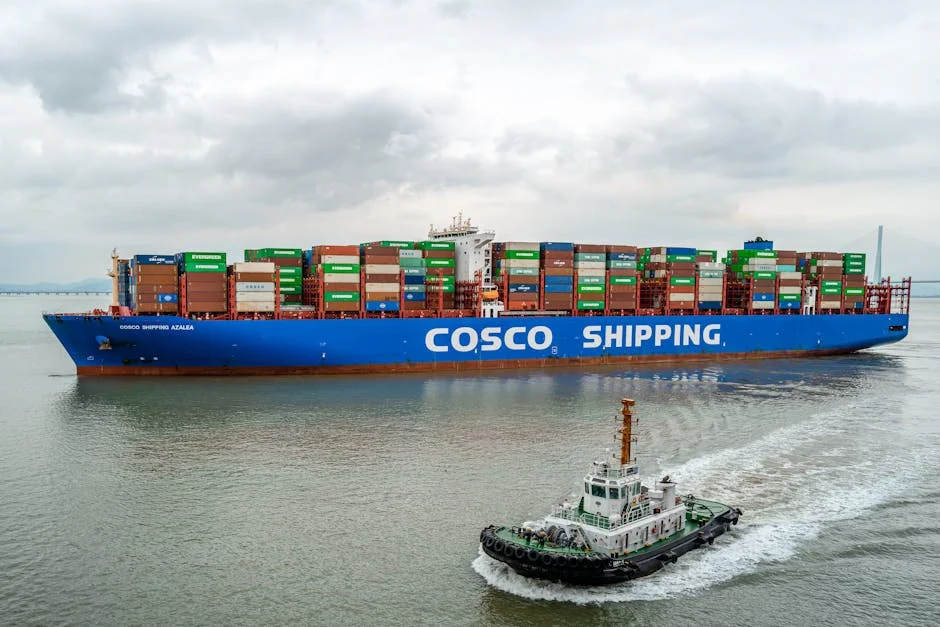
At the heart of the economic anxiety is the potential revival of aggressive tariff policies. During his previous term, Trump imposed tariffs on over $370 billion worth of Chinese goods. The threat of expanding these tariffs to cover an additional $200 billion in imports is a significant concern for global supply chains. The automotive sector, in particular, faces the risk of a 20% tariff on Chinese-made vehicles, a move that could drastically alter the competitive landscape in North America.
For Singaporean businesses, which serve as a crucial hub for trade between the two giants, these policies carry direct implications. Many multinational corporations have used Singapore as a neutral ground to assemble components, thereby mitigating tariff exposure. If the US introduces rules of origin that require a higher percentage of non-Chinese content, this "China Plus One" strategy may need significant adjustment. Companies must now evaluate whether their current supply chain structures can withstand a new wave of protectionist measures.
Impact on Key Sectors
The semiconductor industry remains the most vulnerable to policy shifts. The US has used chip exports as a primary lever to pressure China’s technological advancement. Any relaxation or tightening of these controls will have immediate effects on the revenue streams of firms like TSMC and Samsung. Singapore, home to several major semiconductor manufacturing plants, stands to benefit from increased investment if China accelerates its push for self-sufficiency.
Agriculture is another sector where the stakes are high. US farmers were major beneficiaries of the Phase One trade deal, which saw China import billions of dollars in soybeans and pork. A breakdown in negotiations could lead to a surplus in US agricultural products, driving down prices and affecting farm incomes. This, in turn, influences consumer prices globally, as food commodities are a key component of inflation metrics.
Supply Chain Reconfiguration
The visit underscores the ongoing reconfiguration of global supply chains. Companies are no longer looking for the cheapest production cost but for the most resilient supply route. This shift has accelerated the movement of manufacturing from China to countries like Vietnam, India, and Mexico. Singapore benefits from this trend as a logistics and financial hub for these emerging manufacturing centers.
However, the reconfiguration is not without its costs. Moving factories requires significant capital expenditure and time. Small and medium-sized enterprises (SMEs) in the Asia-Pacific region face pressure to adapt quickly or risk being squeezed out by larger competitors. The uncertainty surrounding US trade policy makes long-term planning difficult, leading to a "wait and see" approach that can slow down investment flows.
Businesses are also diversifying their customer bases to reduce dependency on the US market. This strategy involves expanding into Europe and emerging markets in Southeast Asia. For Singapore, this presents an opportunity to deepen economic ties with these regions, further solidifying its position as a global trade nexus. The city-state’s free trade agreements with over 20 countries provide a favorable environment for companies seeking to diversify.
Investor Sentiment and Risk Management
Investor sentiment remains fragile despite the positive diplomatic signals. The key question for portfolio managers is whether the current market rally is a correction or a continuation of the broader bull market. Many analysts advise maintaining a diversified portfolio to mitigate the risks associated with US-China trade tensions. This includes holding assets in different sectors and geographic regions.
Risk management strategies are being updated to account for potential policy shocks. Companies are increasing their use of financial derivatives to hedge against currency fluctuations and commodity price volatility. Insurance products that cover political risk are also seeing increased demand. These tools help businesses stabilize their cash flows and protect their profit margins against unexpected changes in the trade environment.
The role of central banks is also crucial in managing investor sentiment. The Federal Reserve and the People’s Bank of China are closely monitoring the economic data to gauge the impact of trade policies on inflation and growth. Any indication that tariffs are driving up costs could lead to tighter monetary policy, which would have ripple effects across global financial markets. Investors are keeping a close eye on interest rate decisions in both the US and China.
Implications for Singapore’s Economy
Singapore’s economy is highly sensitive to the health of US-China relations. As a trading nation, Singapore benefits when both giants are importing and exporting vigorously. However, trade wars tend to slow down global growth, which directly impacts Singapore’s GDP. The Monetary Authority of Singapore (MAS) has warned that external headwinds could dampen economic activity, necessitating careful management of the currency and interest rates.
The city-state is also positioning itself as a safe haven for capital. As geopolitical tensions rise, investors seek stability, and Singapore’s strong institutional framework makes it an attractive destination. This influx of capital supports the local property and financial services sectors. However, if the trade tensions escalate into a full-blown economic conflict, the spillover effects could still weigh on Singapore’s economic performance.
Local businesses are advised to stay agile and responsive to changes in the trade landscape. This involves maintaining strong cash reserves, diversifying supply chains, and exploring new markets. The government’s support through grants and incentives can also help companies navigate the uncertainties. By staying proactive, Singaporean firms can turn the challenges of US-China trade dynamics into opportunities for growth.
Looking Ahead: Key Dates to Watch
The diplomatic warmth in Beijing is just the beginning of what promises to be a long and complex negotiation process. Investors and businesses should mark their calendars for the upcoming US Congressional budget reconciliation vote, which could include key trade provisions. Additionally, the release of quarterly earnings reports from major multinational corporations will provide insights into how they are adjusting to the new trade environment.
Watch for the announcement of the Phase Two trade deal details, which are expected to be unveiled in the coming months. These details will clarify the extent of tariff reductions and the scope of market access for US and Chinese goods. Any deviation from expectations could trigger significant market volatility. Staying informed and adaptable will be essential for navigating the evolving economic landscape.
See Also
- Singapore Man Arrested in Cambodia Scam Ring as Markets React
- Australia Seizes Secondhand Nuclear Subs from US – Market Implications Explained
This strategy involves expanding into Europe and emerging markets in Southeast Asia. The key question for portfolio managers is whether the current market rally is a correction or a continuation of the broader bull market.
What is the latest news about trumps china visit triggers market surge but trade wars loom?
Why does this matter for politics-governance?
What are the key facts about trumps china visit triggers market surge but trade wars loom?