The Secretary-General has declared maritime safety and security as a primordial importance to the Indian Ocean Region. This statement arrives at a critical juncture for global trade, where the Indian Ocean serves as the economic artery connecting Asia, Africa, and Europe. Investors and logistics firms are now scrutinizing how geopolitical shifts might disrupt this vital corridor.
The announcement signals a potential pivot in how regional powers coordinate their naval and commercial interests. For businesses relying on just-in-time delivery models, any friction in these waters translates directly into higher costs and delayed revenues. The market is already pricing in a degree of uncertainty as stakeholders assess the long-term implications.
Global Trade Dependencies on Indian Ocean
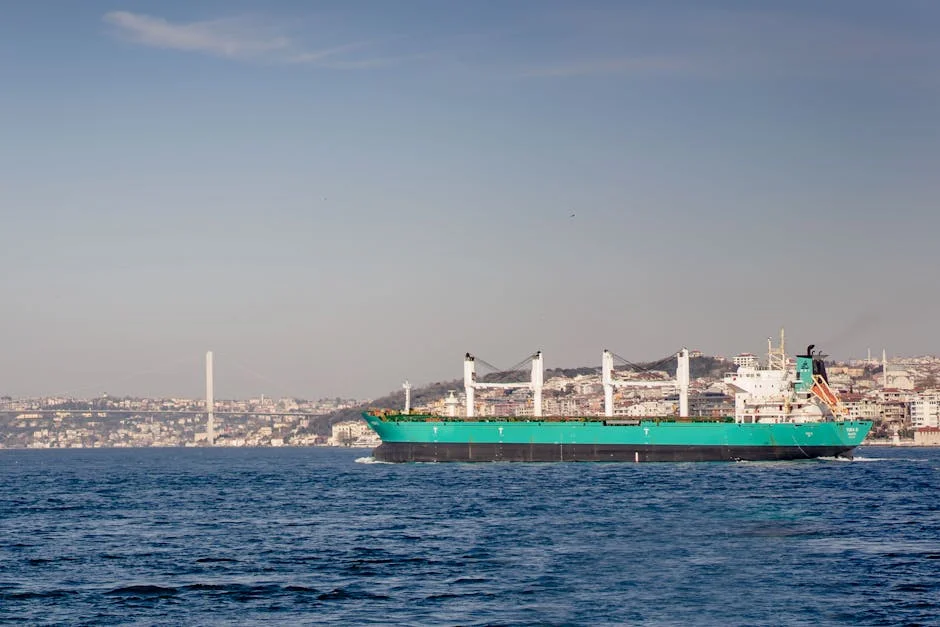
The Indian Ocean is not merely a body of water; it is a logistical superhighway. Approximately 40 percent of the world’s total shipping trade passes through its key chokepoints. This includes the Strait of Hormuz, the Bab el-Mandeb strait, and the Suez Canal approach. Disruptions here have immediate ripple effects on global commodity prices.
Energy markets are particularly sensitive to these movements. The region accounts for a vast share of global crude oil and liquefied natural gas exports. Any security threat, whether from piracy, geopolitical tension, or infrastructure failure, can trigger volatility in Brent Crude and WTI prices. Traders in Singapore and Dubai watch these waters closely for early warning signs of supply shocks.
Manufacturing hubs in Southeast Asia depend on steady imports of raw materials through these routes. A slowdown in maritime traffic can lead to inventory shortages in factories across Vietnam, Thailand, and India. This creates a domino effect that eventually impacts consumer prices in Western markets, influencing inflation data and central bank decisions.
Investor Sentiment and Market Reactions


Financial markets react swiftly to changes in maritime security perceptions. The recent statement by the Secretary-General has prompted analysts to review exposure to shipping and logistics stocks. Companies with significant fleets operating in the Indian Ocean are seeing renewed interest from value investors.
Shipping rates are a leading indicator of trade health. The Baltic Dry Index, which measures the cost of moving raw materials by sea, often fluctuates based on news from the Indian Ocean. An uptick in security measures can lead to longer transit times, effectively reducing the number of available vessels and driving up freight costs. This directly impacts the profit margins of global retailers and manufacturers.
Insurance premiums for cargo and hull coverage are also rising in anticipation of increased risk. Lloyd’s of London and other major underwriters are adjusting their models to account for potential geopolitical friction. For multinational corporations, this means higher operational expenses that may need to be passed on to consumers or absorbed through efficiency gains.
Regional Cooperation and Economic Integration
The emphasis on maritime security highlights the need for stronger regional cooperation. Countries bordering the Indian Ocean are increasingly looking at joint naval exercises and shared intelligence networks. This collaboration aims to create a more predictable environment for international trade and investment.
Strategic Alliances and Naval Presence
Major powers are expanding their naval footprints to secure their economic interests. The United States, China, India, and European nations are all increasing their presence in the region. This competition can lead to both stability and tension, depending on how well diplomatic channels manage the overlapping spheres of influence.
For local economies, this increased attention can bring infrastructure investments. Port expansions and logistics hubs are being developed to handle growing traffic volumes. Countries like Sri Lanka, Oman, and South Africa are leveraging their strategic locations to attract foreign direct investment in maritime infrastructure.
However, the cost of maintaining security is not trivial. Governments must balance military spending with social and economic development budgets. This fiscal pressure can influence national debt levels and currency stability, which are key metrics for foreign investors evaluating regional opportunities.
Impact on Singaporean Businesses
Singapore, as a premier global hub, is uniquely positioned to feel the effects of Indian Ocean dynamics. The city-state handles a significant portion of the region’s transshipment cargo. Any disruption in the Indian Ocean can lead to congestion at the Port of Singapore, affecting turnaround times for container ships and bulk carriers.
Local logistics companies are adapting by diversifying their routes and investing in digital tracking technologies. These innovations help businesses respond faster to unexpected delays or rerouting needs. The emphasis on resilience is becoming a key competitive advantage in the global supply chain landscape.
Financial services in Singapore are also playing a crucial role. As trade flows shift, there is increased demand for trade finance, insurance, and hedging products. Local banks and insurers are expanding their offerings to cater to the evolving needs of clients operating in the Indian Ocean region.
Long-Term Economic Implications
The long-term economic implications of enhanced maritime security are profound. Stable trade routes encourage long-term investments in manufacturing and resource extraction. Conversely, persistent insecurity can lead to capital flight and slower economic growth in coastal nations.
Supply chain diversification is another trend gaining momentum. Companies are looking at near-shoring or friend-shoring strategies to reduce dependency on single corridors. This shift could alter the competitive landscape, benefiting countries with stable political environments and efficient logistics infrastructure.
Environmental considerations are also coming into play. Maritime security initiatives are increasingly incorporating green shipping corridors to reduce carbon emissions. This dual focus on security and sustainability presents new opportunities for technology providers and green energy investors.
What to Watch Next
Investors and businesses should monitor upcoming naval deployments and diplomatic summits in the region. These events will provide clues about the level of commitment to maritime security and the potential for new trade agreements. Keeping an eye on shipping indices and insurance rates will also offer real-time insights into market sentiment.
The next six months will be critical in determining how the Secretary-General’s vision translates into actionable policies. Stakeholders should prepare for potential volatility in freight costs and commodity prices. Proactive risk management and strategic planning will be essential for navigating the evolving landscape of Indian Ocean trade.
See Also
- India Demands US Russian Oil Waiver as Iran War Squeezes Supply
- Cardinal Brislin Rejects Trump's Pressure on Africa's Catholic Church
This fiscal pressure can influence national debt levels and currency stability, which are key metrics for foreign investors evaluating regional opportunities. Impact on Singaporean Businesses Singapore, as a premier global hub, is uniquely positioned to feel the effects of Indian Ocean dynamics.
What is the latest news about indian ocean trade routes face new security test?
Why does this matter for politics-governance?
What are the key facts about indian ocean trade routes face new security test?