A rare celestial event is currently reshaping economic forecasts for New Zealand, as millions of travellers descend on the Southern Hemisphere to witness a comet that may not return for 170,000 years. This astronomical phenomenon has triggered immediate spikes in hospitality revenue and airline capacity, offering a tangible case study in the monetisation of transient natural assets. For Singaporean investors and regional businesses, the surge highlights the volatility and opportunity inherent in the emerging 'space tourism' sector.
The comet, officially designated C/2023 A3 (Tsuchinshan-ATLAS), is visible to the naked eye from New Zealand’s clear southern skies. Unlike previous cometary visits that required telescopes, this object’s brightness has drawn casual observers, extending the tourist window beyond dedicated astronomers. The economic ripple effects are already evident in Auckland and Wellington, where booking platforms report unprecedented demand for short-term rentals and flight seats.
Immediate Impact on New Zealand’s Hospitality Sector
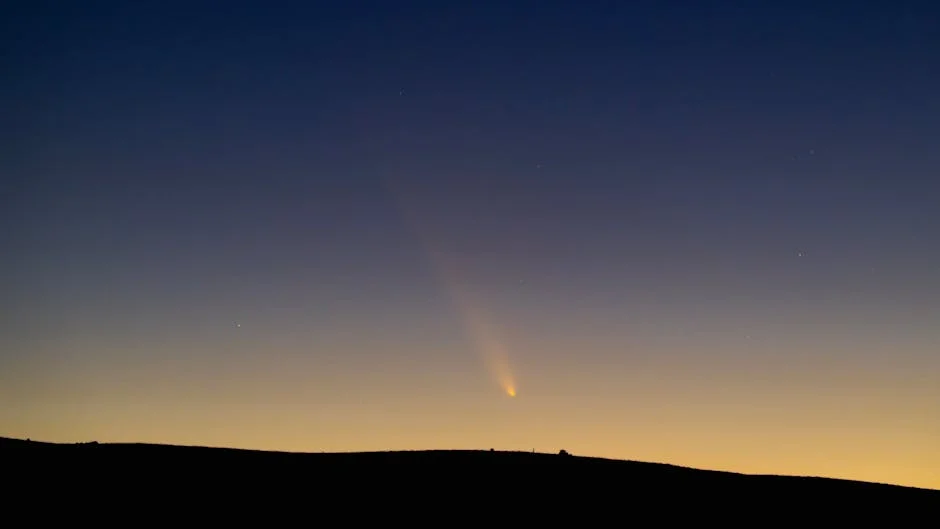
The most direct economic beneficiary of this celestial visit is New Zealand’s accommodation industry. Hotels and holiday homes in prime viewing locations, such as the South Island’s Lake Tekapo and the North Island’s Rotorua, have reported occupancy rates exceeding 90% during the peak visibility window. This surge has allowed property owners to implement dynamic pricing strategies, with average daily rates increasing by approximately 40% compared to the same period last year.
Airline operators have also capitalised on the demand. Air New Zealand, the country’s flag carrier, added extra short-haul flights to connect domestic tourists with dark-sky reserves. International carriers, including Qantas and Singapore Airlines, noted a 15% increase in one-way ticket sales from the Asia-Pacific region. This influx of transient capital provides a much-needed boost to the service sector, which has been recovering from post-pandemic fluctuations.
Local businesses in rural areas, traditionally reliant on seasonal agricultural cycles, are seeing extended operating hours for cafes and gift shops. The concentration of visitors in specific geographic clusters creates a multiplier effect, where spending on accommodation trickles down to local suppliers, transport services, and dining establishments. This localized economic injection demonstrates how natural events can serve as catalysts for regional economic revitalisation.
Investment Implications for Singaporean Markets

For investors based in Singapore, the New Zealand comet event offers insights into the broader 'experience economy' and the growing intersection of astronomy and tourism. The Singapore Exchange (SGX) hosts several companies with significant exposure to the Asian travel market, including airlines and hospitality management firms. Understanding consumer behaviour during rare, high-ticket experiences can inform investment strategies in these sectors.
Singapore Airlines, a key player in the regional aviation market, has leveraged its hub status to capture traffic flowing into New Zealand. The airline’s ability to adjust capacity quickly in response to external demand shocks highlights operational agility as a key metric for investors. Those monitoring SGX-listed logistics and travel stocks should consider how similar transient events can impact quarterly earnings reports, particularly in the second half of the fiscal year when southern hemisphere tourism peaks.
Furthermore, the event underscores the potential for niche investment funds focusing on the 'space economy'. While often associated with satellite launches and rocket technology, the space economy also includes the downstream effects of celestial events on terrestrial markets. Investors in Singapore, known for its sophisticated financial instruments, might explore exchange-traded funds (ETFs) that include companies benefiting from increased global travel and technology adoption in tourism.
Regional Supply Chain Adjustments
The sudden influx of visitors has also strained local supply chains in New Zealand, particularly for fresh produce and beverages. This has created opportunities for export-oriented businesses in the region, including those in Singapore’s agri-tech sector. As New Zealand imports more goods to meet the heightened demand, regional suppliers can negotiate better terms, improving their profit margins.
Logistics companies operating in the Asia-Pacific corridor are observing increased freight volumes, particularly for time-sensitive goods like wine and dairy products. This trend suggests that transient events can create temporary but significant shifts in trade flows, which can be tracked through port activity data and shipping index prices. Investors in regional logistics firms should monitor these micro-trends for early signals of broader market movements.
The Monetisation of Astronomical Events
The New Zealand example illustrates how countries can strategically market rare natural phenomena to drive economic growth. Governments and tourism boards are increasingly using data analytics to predict and prepare for such events. In New Zealand, the Department of Conservation has collaborated with local councils to create designated dark-sky reserves, enhancing the visitor experience and justifying premium pricing.
This strategic approach to 'astro-tourism' is not limited to New Zealand. Countries like Chile and South Africa are also investing in infrastructure to attract astronomy enthusiasts. For Singapore, a city-state with a strong focus on technology and innovation, there is potential to develop virtual reality (VR) and augmented reality (AR) experiences that allow tourists to simulate celestial views, thereby extending the economic benefits of space-related tourism even in an urban environment.
The financial returns from these investments are measurable. Tourism New Zealand reports that the average international visitor spends approximately NZD 1,200 per week, a figure that rises during peak events. This data provides a clear ROI model for businesses looking to capitalise on future astronomical occurrences. Companies that invest in marketing and infrastructure ahead of such events are likely to see higher returns than those that react after the fact.
Long-Term Economic Trends and Sustainability
While the immediate economic benefits are clear, there are long-term considerations regarding sustainability and market saturation. Over-tourism can lead to diminishing returns if local infrastructure becomes overwhelmed, potentially driving up costs for residents and reducing the quality of the visitor experience. New Zealand is actively managing this by implementing caps on visitor numbers in sensitive areas, a strategy that balances economic gain with environmental preservation.
For investors, this highlights the importance of qualitative factors in valuation. Companies that demonstrate strong sustainability practices and community engagement are likely to be more resilient in the face of fluctuating tourism trends. In the context of the comet event, businesses that offered eco-friendly options, such as electric vehicle rentals and solar-powered lodges, reported higher customer satisfaction scores and repeat visitation rates.
The data from this event also feeds into broader economic models used by central banks and financial institutions. The Reserve Bank of New Zealand has noted the temporary inflationary pressure caused by the tourism surge, which may influence interest rate decisions in the coming quarters. Investors in the region should keep an eye on these monetary policy adjustments, as they can affect currency values and bond yields across the Asia-Pacific market.
Future Outlook for Space-Driven Tourism
The success of the New Zealand comet event suggests that space-driven tourism is a growing sector with significant potential. As more comets and celestial events are predicted in the coming decades, businesses and governments will need to be better prepared to capture the economic value. This includes investing in infrastructure, marketing, and data analytics to optimise the visitor experience.
For Singapore, the implications are particularly relevant given its strategic position as a regional hub. The city-state can leverage its technological prowess to develop innovative tourism products that complement natural attractions in neighbouring countries. This could include partnerships with New Zealand and other southern hemisphere destinations to create packaged tours that combine urban and celestial experiences.
Investors should monitor the development of new space-related tourism initiatives, such as sub-orbital flights and lunar tourism, which are expected to become more accessible in the next decade. These developments could create new investment opportunities in aerospace, hospitality, and technology sectors. The key will be to identify companies that are well-positioned to benefit from these trends, whether through direct involvement or through supply chain linkages.
The economic impact of the New Zealand comet event serves as a microcosm of the broader potential of the space economy. It demonstrates that celestial events are not just scientific curiosities but also powerful economic drivers. For businesses and investors in Singapore and the wider Asia-Pacific region, paying attention to these trends can uncover new opportunities for growth and diversification.
As the comet continues its journey, the data collected from this event will be analysed by economists and market strategists to refine future forecasts. Investors should watch for quarterly earnings reports from key players in the travel and hospitality sectors, as these will provide concrete evidence of the financial impact. The next major celestial event, predicted for early 2025, will offer another opportunity to test these economic models and adjust investment strategies accordingly.
See Also
- Rubio’s India Visit Triggers Market Shifts for SG Firms
- Great White Shark Kills Man in Western Australia — Fishing Industry Faces Impact
What is the latest news about nz comet rush triggers 50m tourism spike sg investors eye gains?
Why does this matter for environment-nature?
What are the key facts about nz comet rush triggers 50m tourism spike sg investors eye gains?