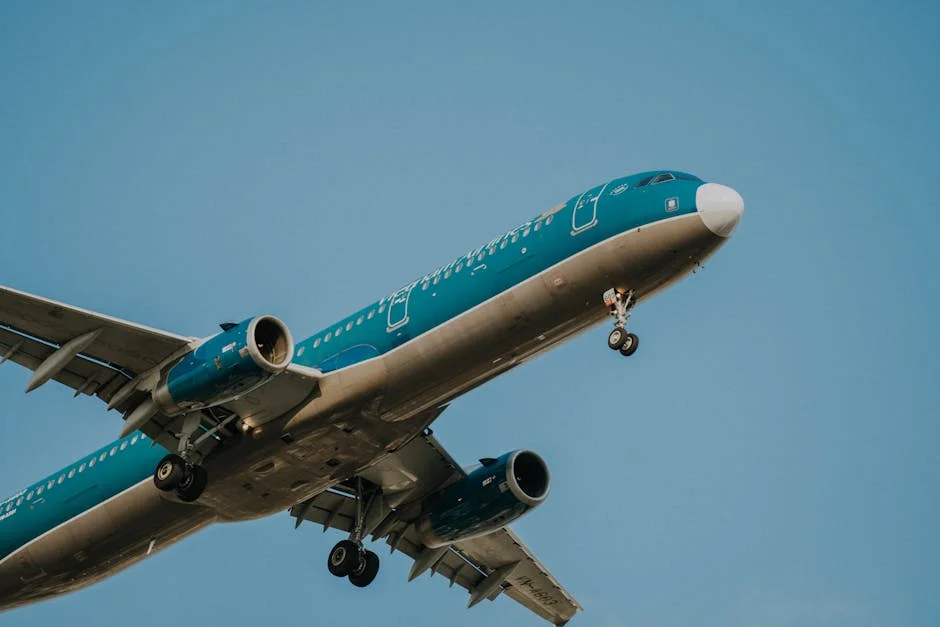
Malaysia has placed a staggering $19 billion order with Airbus, marking one of the largest single aircraft procurement deals in recent aviation history. This strategic move by the Southeast Asian nation signals a robust recovery in regional air travel and injects fresh confidence into the global aerospace supply chain. The deal directly benefits the Belfast manufacturing hub, which is set to see increased production lines for the A320neo family.
A Major Win for Belfast’s Aerospace Sector
The Belfast factory, a cornerstone of the Northern Ireland economy, stands to gain significantly from this announcement. As a primary production site for the A320neo wing assemblies, the facility will need to scale up operations to meet the renewed demand. This surge in orders provides stability for thousands of skilled workers and suppliers across the region. The economic ripple effect extends beyond the factory gates, boosting local services and real estate markets in Belfast.
Investors in the European aerospace sector are viewing this deal as a positive indicator for Airbus’s near-term revenue streams. The certainty of long-term contracts helps stabilize cash flow, allowing for more predictable capital expenditure. For the Belfast plant specifically, this means potential for overtime, new hires, and possibly even expanded shifts in the coming quarters. The local government in Northern Ireland has long touted the aerospace cluster as a key driver of GDP, and this deal validates that strategy.
Market Reactions and Investor Sentiment


Financial markets have responded with cautious optimism to the news. Airbus shares saw a modest uptick in early trading, reflecting investor satisfaction with the backlog growth. However, analysts are closely watching how this large order impacts Airbus’s pricing power and margin structure. A $19 billion deal is substantial, but the actual revenue recognition will be spread over several years as deliveries commence. This timing is crucial for quarterly earnings reports and investor expectations.
The deal also highlights the competitive dynamics between Airbus and its main rival, Boeing. With Boeing still navigating supply chain and quality control issues, Airbus is capitalizing on the opportunity to secure major fleet modernization contracts. This shift in market share could have long-term implications for the duopoly that dominates the commercial aviation sector. Investors who have been rotating funds toward aerospace may find this validation of their thesis.
Malaysia’s Economic Strategy and AirAsia’s Expansion
For Malaysia, this procurement is not just about adding planes; it is a strategic economic maneuver. The deal is largely driven by AirAsia, the country’s largest carrier, which is aggressively expanding its network to capture post-pandemic travel demand. By securing a large block of fuel-efficient A320neo aircraft, AirAsia aims to reduce operating costs and improve profitability per seat. This efficiency gain is critical for an airline that has historically relied on high volume and low fares to drive growth.
Implications for Regional Connectivity
The introduction of these new aircraft will enhance connectivity between Kuala Lumpur and key regional hubs. Improved frequency and route options can stimulate tourism and business travel, further integrating Malaysia into the broader Southeast Asian economic zone. For Singapore, a neighboring financial and aviation hub, this means increased competition but also more linking flights that can feed into Singapore Airlines’ long-haul networks. The regional aviation ecosystem is becoming more interconnected, with each carrier’s fleet decisions impacting the others.
From a macroeconomic perspective, this investment supports Malaysia’s goal of positioning itself as a top-10 global economy. The aviation sector is a significant contributor to GDP, both directly through airline operations and indirectly through tourism and logistics. By modernizing its fleet, Malaysia is signaling to international investors that its infrastructure is ready for sustained growth. This confidence can attract further foreign direct investment in related sectors such as airport services and maintenance, repair, and overhaul (MRO) facilities.
Supply Chain Pressures and Global Implications
The sheer size of the order places additional pressure on the global aerospace supply chain. Airbus must coordinate with hundreds of suppliers across Europe and beyond to ensure timely delivery of components. Any bottleneck in the supply of engines, avionics, or interior fittings could delay the handover of these aircraft. For businesses involved in the supply chain, this represents both an opportunity for revenue growth and a test of operational resilience. Companies that can deliver on time and maintain quality will likely secure preferential status with Airbus.
This dynamic also affects the broader manufacturing sector. As demand for aircraft rises, competition for raw materials such as aluminum, titanium, and carbon fiber intensifies. Prices for these commodities may fluctuate, impacting the cost structures of manufacturers and suppliers. Investors in the materials sector should monitor these trends, as they can provide early signals of inflationary pressures within the aerospace industry. The interplay between commodity prices and aircraft production costs is a key variable for financial models.
Environmental Considerations and Fleet Modernization
Airbus’s A320neo is marketed as one of the most fuel-efficient aircraft in its class, which aligns with growing environmental, social, and governance (ESG) criteria for investors. Airlines are under increasing pressure to reduce their carbon footprint, and newer aircraft offer significant fuel savings compared to older models. This environmental advantage can translate into lower operating costs and improved brand perception for carriers like AirAsia. For investors focused on ESG metrics, this deal represents a tangible step toward decarbonizing the aviation sector.
The focus on sustainability is also driving innovation in aerospace technology. Airbus and its suppliers are investing heavily in research and development for new fuels, electric propulsion, and advanced materials. This long-term vision is crucial for maintaining competitiveness in a market that is becoming increasingly environmentally conscious. Investors who recognize the strategic importance of these technological shifts may find opportunities in companies that are leading the charge in green aviation solutions.
What to Watch Next
Market participants should monitor the delivery schedule announced by Airbus and AirAsia. The timing of these deliveries will influence AirAsia’s capacity expansion and revenue growth in the coming fiscal years. Additionally, investors should watch for any updates on the pricing structure of the deal, as this can provide insights into Airbus’s margin expectations. The broader economic conditions in Southeast Asia will also play a role in determining how quickly these aircraft can be utilized to their full potential. Keeping an eye on regional travel demand trends will be essential for gauging the success of this strategic investment.
See Also
- Australia Dominates Eurovision Final as UK Entry Surprises Markets
- Singapore Boosts Psychiatric Nursing Home Capacity — Social Care Takes Centre Stage
The regional aviation ecosystem is becoming more interconnected, with each carrier’s fleet decisions impacting the others. The aviation sector is a significant contributor to GDP, both directly through airline operations and indirectly through tourism and logistics.