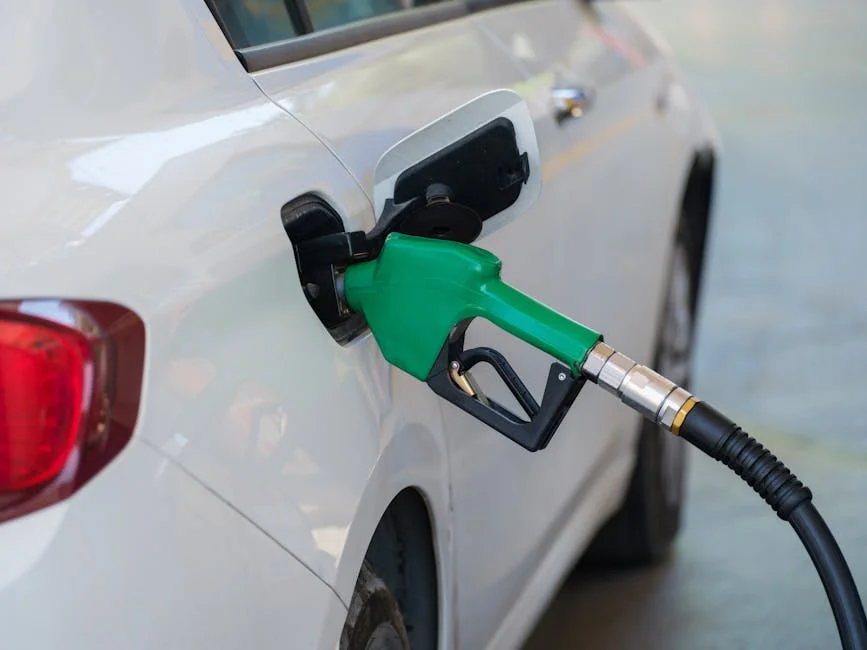
South Africa’s fuel prices have risen sharply, sending immediate shockwaves through the retail and logistics sectors. This increase coincides with the Madlanga Commission reaching its 100-day milestone, adding political uncertainty to an already volatile economic landscape. Meanwhile, a rare virus outbreak has claimed three lives, further straining public health resources and consumer confidence.
Fuel Price Surge Impacts Business Costs
The latest petrol and diesel price hikes are not merely a cost of living issue for households; they represent a significant margin squeeze for businesses. Transport costs, which account for a substantial portion of operational expenses in South Africa, have escalated rapidly. This directly affects the final price of goods, potentially triggering inflationary pressures that could ripple across the continent.
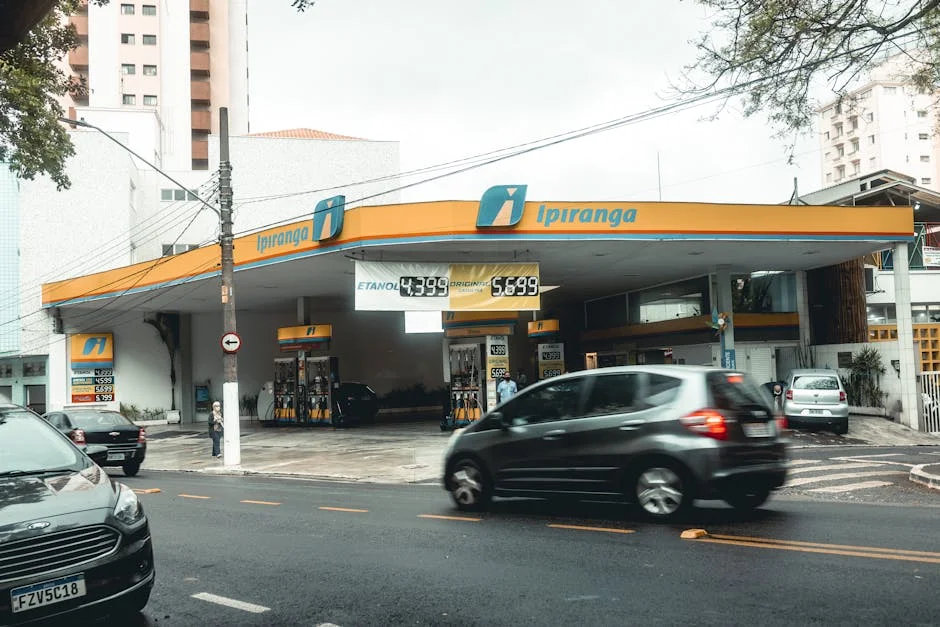
Investors are closely monitoring how these increased input costs will impact corporate earnings reports in the coming quarters. Logistics companies, in particular, face a difficult balancing act between absorbing higher fuel bills and passing them on to consumers. The market reaction has been swift, with shares in major transport firms showing increased volatility as traders assess the long-term financial implications.
Market Reaction to Fuel Volatility
Financial analysts warn that sustained high fuel prices could dampen consumer spending, which is a key driver of economic growth. If retailers are forced to raise prices, demand may soften, leading to slower revenue growth for major retail chains. This dynamic creates a challenging environment for investors looking for stable returns in the South African market.
The South African Reserve Bank is expected to weigh these inflationary pressures in its upcoming monetary policy decisions. Higher fuel prices could delay interest rate cuts, keeping borrowing costs elevated for businesses and homeowners. This monetary tightening effect could further slow down economic activity, making the investment landscape more complex for regional and international investors alike.
Political Uncertainty Adds to Economic Risk


The Madlanga Commission, tasked with investigating various economic and political issues, has now reached its 100-day mark. This milestone brings increased scrutiny on government policies and their impact on market stability. Investors are particularly concerned about how the commission’s findings might influence future regulatory frameworks and fiscal policies.
Political uncertainty is a major deterrent to foreign direct investment. As the commission delves deeper into key sectors, businesses are adopting a wait-and-see approach, potentially delaying major capital expenditure decisions. This hesitation can slow down economic momentum, affecting everything from construction projects to new business launches.
The intersection of political review and economic performance creates a unique risk profile for South Africa. Markets dislike uncertainty, and the prolonged nature of the Madlanga Commission’s work means that this risk factor will remain relevant for months to come. Investors must factor in this political variable when assessing the overall attractiveness of the South African market.
Health Crisis Strains Economic Resources
A rare virus outbreak has resulted in three deaths, highlighting vulnerabilities in the public health system. While the number of casualties may seem small, the economic implications of a health crisis can be disproportionate. Healthcare spending often increases rapidly during outbreaks, diverting funds from other critical areas of the economy.
Consumer confidence is another area under pressure. Health scares can lead to changes in consumer behavior, such as reduced travel and dining out, which directly impacts service sector revenues. For businesses in the tourism and hospitality industries, even a localized outbreak can have significant financial repercussions, affecting booking rates and operational efficiency.
The government’s response to the virus will also influence economic stability. If additional measures, such as lockdowns or travel restrictions, are implemented, the economic impact could be more severe. Investors are watching for signals on how the health crisis will be managed and what fiscal support might be offered to affected sectors.
Implications for Singaporean Investors
For investors in Singapore, the developments in South Africa offer both challenges and opportunities. The rise in fuel prices and political uncertainty creates a more volatile environment, requiring careful risk management. However, volatility can also present buying opportunities for those willing to look beyond the short-term noise.
South Africa remains a key gateway to the African market for many Singaporean companies. Understanding how these local factors—fuel costs, political reviews, and health issues—affect the broader economy is crucial for strategic decision-making. Businesses with exposure to the South African market should reassess their risk profiles and consider hedging strategies to mitigate potential losses.
The interplay between local events and global market trends means that no single factor operates in isolation. For instance, higher fuel prices in South Africa could affect global supply chains, impacting costs for manufacturers in Singapore. This interconnectedness underscores the importance of a holistic approach to investment analysis, considering both local and global variables.
What to Watch Next
Investors should keep a close eye on the upcoming monetary policy announcement by the South African Reserve Bank. The central bank’s decision on interest rates will provide clear signals on how policymakers are responding to the inflationary pressures from fuel prices. This decision will likely influence currency movements and bond yields, affecting portfolio performance.
The progress of the Madlanga Commission is another key indicator. Any major findings or recommendations released in the next few weeks could trigger significant market reactions. Investors should monitor official statements and press releases to gauge the potential impact on regulatory environments and sector-specific policies.
Finally, the trajectory of the rare virus outbreak will determine the extent of its economic impact. Health officials’ updates on case numbers and potential containment measures will be crucial for assessing risks to the service sector and consumer spending. Staying informed on these developments will help investors make more informed decisions in this evolving economic landscape.
See Also
- Singapore Food Output Shifts: Eggs Dip as Veggies Rise
- Rubio Pushes India Energy Deal Amid Iran Oil Shock
This interconnectedness underscores the importance of a holistic approach to investment analysis, considering both local and global variables. Any major findings or recommendations released in the next few weeks could trigger significant market reactions.
What is the latest news about south africa fuel hikes hit retailers and investors are watching?
Why does this matter for environment-nature?
What are the key facts about south africa fuel hikes hit retailers and investors are watching?