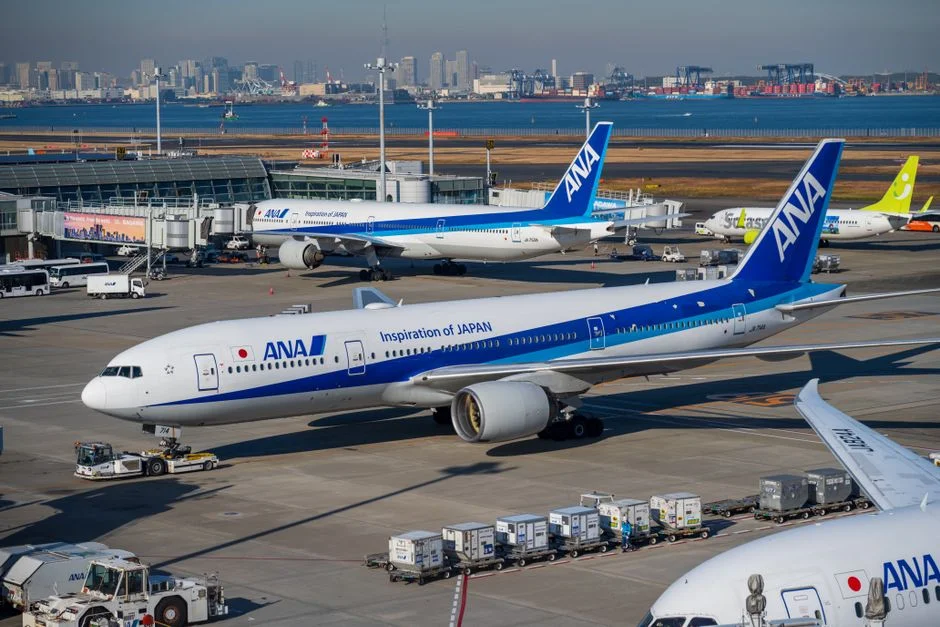
Rising petrol prices in Singapore are forcing motorists to treat every litre purchased as a strategic financial decision rather than a routine expense. The surge in fuel costs has transformed loyalty programmes from a secondary perk into a primary tool for managing household budgets. This shift is reshaping consumer behaviour and creating new competitive pressures for retailers and energy firms alike.
The Economic Pressure on Singaporean Households
The cost of living in Singapore has intensified due to fluctuating global oil markets and local tax adjustments. Families are feeling the pinch as the price per litre of premium motor gasoline continues to climb. This trend is not isolated to one sector but affects commuters, delivery drivers, and logistics companies equally. The cumulative effect on monthly expenditure is becoming a critical factor in consumer spending patterns.
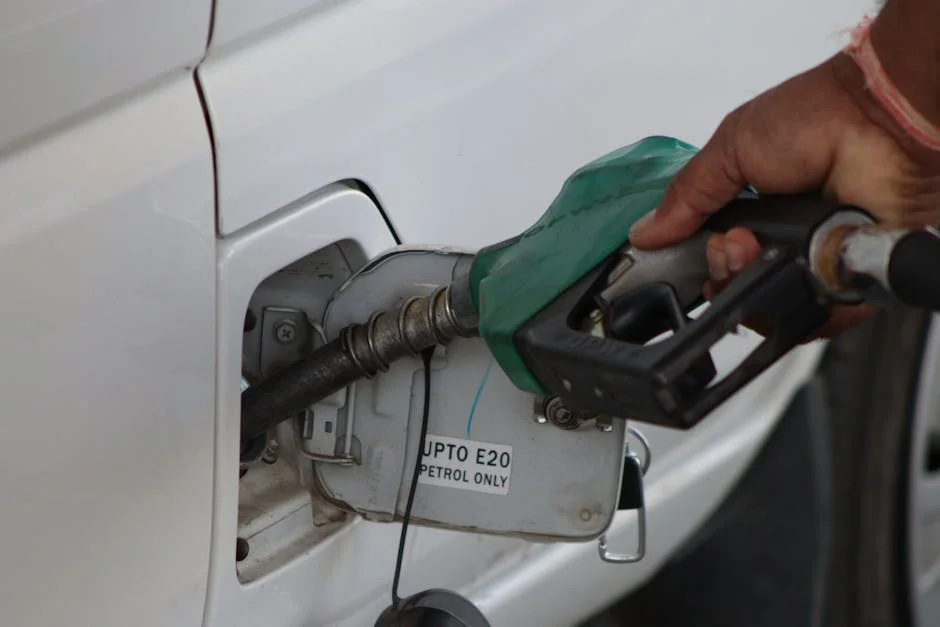
According to data from the Singapore Department of Statistics, transport costs remain a significant portion of the average household budget. When fuel prices rise, discretionary income shrinks, leading to tighter spending in other categories such as dining and entertainment. This economic pressure forces consumers to seek out every available discount or rebate. Loyalty points and cash-back offers provide a tangible, albeit small, relief from the financial strain.
Retailers Adapt to Changing Consumer Behaviour


Retailers and fuel stations are responding to this demand by enhancing their rewards structures. Companies are recognizing that customer retention now depends heavily on the perceived value of loyalty schemes. A simple discount is no longer enough; consumers expect integrated ecosystems where points earned at the pump can be redeemed across multiple categories. This strategy helps businesses lock in customer loyalty in a price-sensitive market.
Major players in the Singaporean retail sector are investing in digital platforms to streamline these rewards. Apps that track spending and automatically apply discounts are becoming standard. This digital transformation allows firms to gather valuable data on consumer habits. Understanding how customers react to price changes enables businesses to tailor promotions more effectively. The competition for the consumer's attention is fierce, and rewards are a key differentiator.
Strategic Partnerships Drive Value
Collaborations between fuel retailers and other service providers are becoming more common. For example, partnerships with supermarkets or banking institutions allow for cross-promotional offers. A driver might earn points at a petrol station that can be redeemed for groceries or used to offset credit card bills. These alliances create a more compelling value proposition for the end-user. It also spreads the marketing cost across multiple brands, making the rewards more sustainable for the businesses involved.
Implications for Investors and Market Dynamics
For investors, the emphasis on loyalty programmes signals a shift in how revenue stability is assessed. Companies with robust, sticky customer bases through rewards schemes may exhibit more resilient earnings during periods of price volatility. This is particularly relevant for the consumer staples and energy sectors in Singapore. Analysts are looking at customer retention rates as a leading indicator of future cash flow. The ability to maintain volume despite higher prices is a key metric for valuation.
The market reaction to these trends has been positive for firms that have successfully integrated digital loyalty solutions. Share prices of retailers with strong app engagement have shown relative strength compared to their peers. This suggests that the market values the data assets and customer lock-in effects provided by modern rewards programmes. Investors are increasingly viewing these programmes not just as marketing expenses but as strategic assets that drive long-term growth.
Future Trends in Fuel and Rewards
Looking ahead, the integration of electric vehicle (EV) charging into loyalty programmes will likely become a major focus. As Singapore transitions towards greener transport, the dynamics of fuel purchasing will change. However, the principle of rewarding customer loyalty will remain constant. Companies will need to adapt their models to include charging sessions, battery swaps, and related services. This evolution will require further investment in infrastructure and software.
Consumers should monitor upcoming announcements from major fuel retailers and banks regarding new partnership deals. The next quarter may see a wave of updated loyalty tiers and enhanced cash-back rates as firms compete for market share. Staying informed about these changes will help drivers maximize their savings in an increasingly expensive fuel market. The strategic use of rewards will continue to be a vital tool for financial management for Singaporean households.
See Also
- Portugal's Agriculture Chief Warns of Food Price Surge
- How Fast Will A.I. Agents Rip Through the Economy?